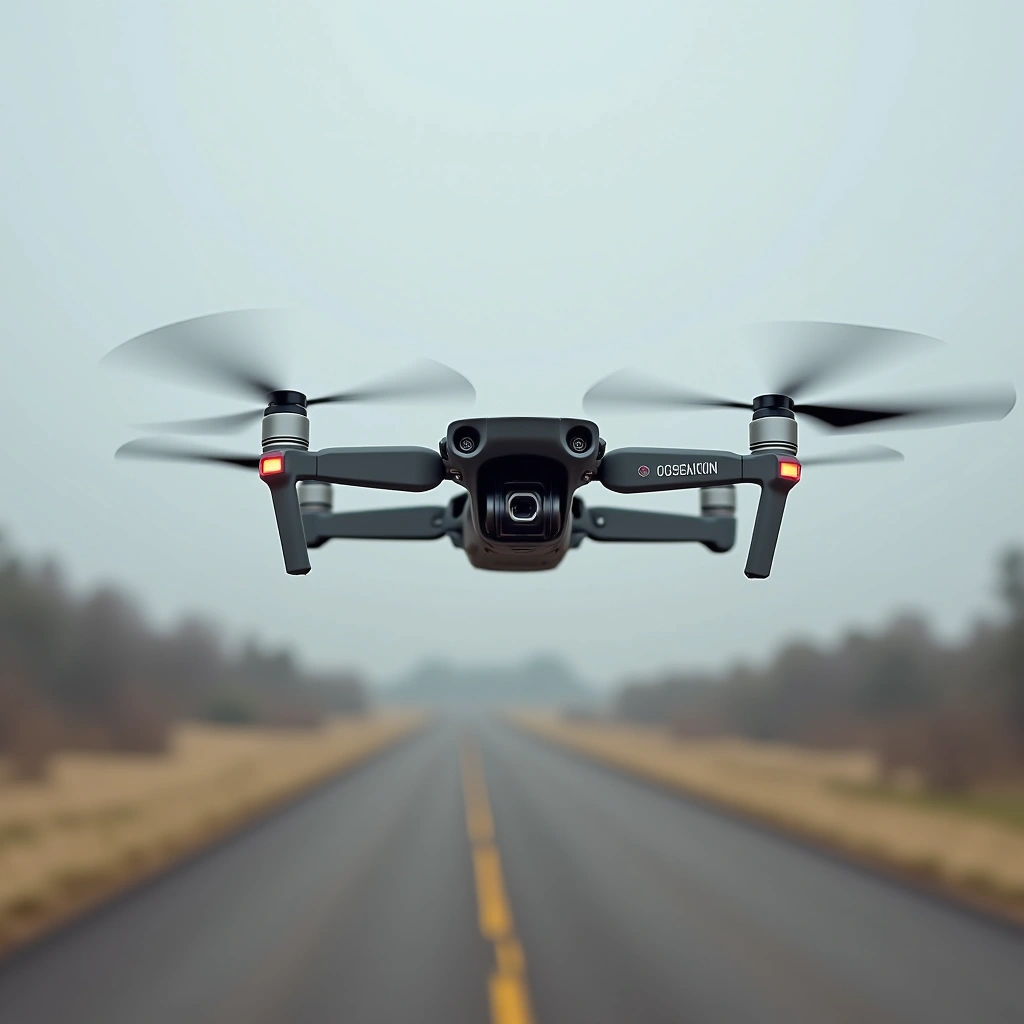
Russia has shifted from slow, propeller-driven Shahed drones to faster, higher-flying jet-powered models like the Geran-4 and Geran-5, which reach speeds of 370–600 mph and altitudes up to 7 km to bypass Ukrainian air defenses. This technological leap has significantly reduced interception rates, as traditional defenses and slower interceptor drones struggle to engage these high-speed targets effectively. Ukraine is now racing to develop faster, jet-powered interceptor drones and scale production to counter this escalating aerial threat and restore air defense efficacy.
So, here’s the scoop: jet-powered drones are zipping around like they own the skies of Kyiv, and guess what? The Ukrainian air defenses are having a tough time keeping up. Imagine a game of tag where one side is on roller skates and the other is trying to run in winter boots. Yeah, it’s not pretty.
These aren’t your average drones either. We’re talking about jet-powered machines that can dart through the air faster than you can say ‘I need a new interceptor.’ As if the situation wasn’t tense enough, manufacturers are now in a mad scramble to churn out new interceptors. It’s like a high-stakes race where everyone’s trying to build the next best thing in drone defense—only this time, the stakes are life and death.
The Independent and South China Morning Post have both reported that these Russian drones are breaching defenses left and right. Picture it: drones flying overhead while air defense systems are frantically trying to lock on, only to be left shaking their metaphorical fists in frustration. It’s like watching a slow-motion train wreck, only it’s happening in real-time, and the wreck involves advanced military technology.
But let’s not get too lost in the drama. What does this mean for the future of aerial warfare? Well, for one, it highlights a significant technological gap. It’s as if one side brought a knife to a gunfight, only the other side has a jet engine strapped to their knife. The urgency to innovate has never been greater. Manufacturers are likely working overtime, fueled by a mix of caffeine and the sheer dread of being outpaced by a bunch of flying robots.
Now, you might be wondering: how do we even get to a place where drones can outpace air defenses? Well, it’s a perfect storm of technological advancements and, let’s be honest, a bit of desperation in the air. As countries around the globe invest in drone technology, it seems that the race for air superiority is heating up faster than a cup of instant noodles in a microwave.
As this drone drama unfolds, we can only sit back and watch the spectacle. Will the Ukrainian forces manage to get their hands on these new interceptors before it’s too late? Will manufacturers actually be able to keep up with demand? And most importantly, will anyone ever figure out how to make a drone that doesn’t require a PhD to operate?
In the end, the drone race is a reminder that in warfare—just like in life—those who innovate and adapt will always have the upper hand. So, buckle up, folks. The sky is getting crowded, and it’s not just birds we need to worry about anymore.
Inspired by: “Jet-powered drones outpace Ukrainian defenses as manufacturers race to build new interceptors” (r/World)