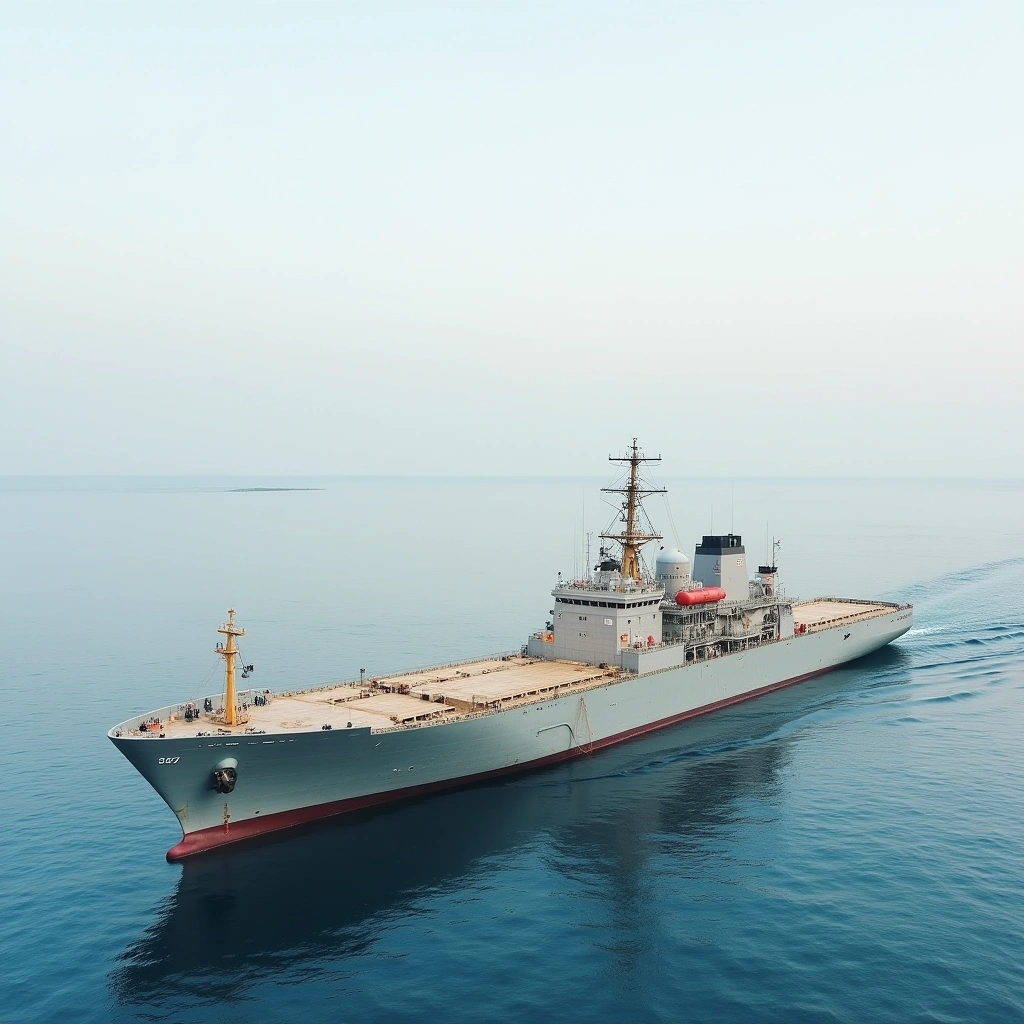
Both sides reaffirmed commitment to freedom of navigation while agreeing to consult other Gulf states and relevant stakeholders on Hormuz governance. Diplomacy, however, unfolded alongside coercion. On June 25, as Araghchi and Albusaidi held a follow-up call praising their “productive consultations,” Iran targeted the Ever Lovely. From an Iranian perspective, rather than derailing negotiations, the attack complemented them, reminding Oman and the broader shipping community that any future arrangement for Hormuz ultimately depends on Tehran’s acquiescence.
So, it seems that Iran is feeling a bit generous these days. They’ve thrown out a tantalizing offer to reopen the Strait of Hormuz within just seven days, but there’s a catch—like a game of diplomatic Monopoly, the U.S. needs to ease military pressure and lift the blockade on Iranian ports first. Talk about a high-stakes negotiation!
According to a senior Iranian official (who, let’s face it, probably has a very important title that sounds impressive), this proposal has been communicated to Washington through some mediators. The Iranian government is making it clear: they want the U.S. to make the first move. It’s like that moment in a relationship where one person is waiting for the other to text first after a disagreement. You know, the classic ‘Who will break the silence?’ game.
Now, let’s contextualize this a bit. The Strait of Hormuz is not just any old body of water; it’s a vital artery for global oil transport. Approximately 20% of the world’s oil passes through this narrow strait. So, when Iran hints at reopening it, you can bet that the world is paying attention. It’s like saying you’re willing to reopen the gates to a massive treasure trove—who wouldn’t want in?
However, Iran’s olive branch comes after some pretty serious warnings about potential retaliation against renewed U.S. military operations in the region. It’s almost as if they’re saying, ‘Hey, we can play nice, but don’t push us!’ It’s a classic move in international relations, where one side throws out a peace offering while simultaneously flexing its muscles.
The U.S. has been applying military pressure on Iran for a while now, which has led to a somewhat tense atmosphere. Picture a family dinner where one person keeps bringing up the embarrassing stories from childhood—nobody’s having a good time. In this case, the U.S. is the one with the awkward stories, and Iran is just trying to enjoy its meal in peace.
So, what’s next? Will the U.S. take the bait and ease up on the military presence, or will it stick to its guns (literally) and maintain the status quo? This is where it gets interesting. The ball is in Washington’s court, and it will be fascinating to see how they respond. Will they send a heartfelt text back, or will they leave Iran hanging on read?
In the grand scheme of things, international diplomacy often feels like one big soap opera. There are twists, turns, and plenty of drama. And while it’s easy to get lost in the details, it’s essential to remember that these negotiations can have real-world consequences, impacting global oil prices, security, and international relations.
So, as we wait to see how this plays out, let’s keep our fingers crossed for a peaceful resolution. After all, nobody wants to see the Strait of Hormuz turn into a geopolitical battleground. It’s much nicer when it’s just a picturesque body of water, right? Here’s hoping for a swift and diplomatic end to this saga!
Inspired by: “Iran ready to reopen Strait of Hormuz if US eases military pressure and lifts blockade” (r/World)