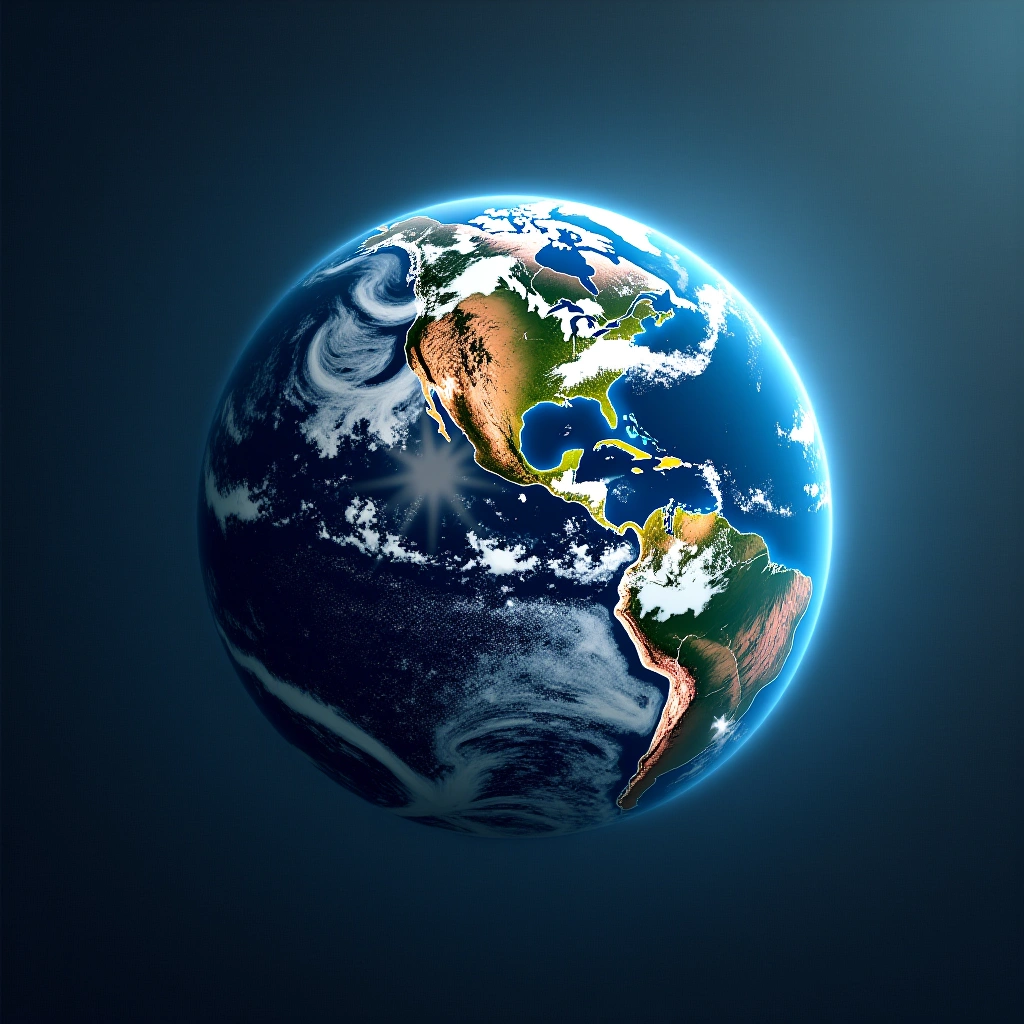
… This inaugural annual report represents a crucial step in monitoring and safeguarding Earth's stability, resilience, and life-support functions — what we refer to as "Planetary Health".
So, it’s that time of year again—no, not tax season, but something arguably more important: the Planetary Health Check 2026. Yes, you read that right. Over 60 scientists have banded together to assess the state of our beloved planet, and spoiler alert: it’s not looking great. In fact, it’s looking worse than your high school report card. According to the latest findings from the Potsdam Institute for Climate Impact Research, we’ve exceeded seven out of nine key planetary boundaries. If you’re not familiar with those boundaries, think of them as Earth’s version of ‘don’t go there’ signs. And guess what? We’ve ignored them all.
Let’s break it down. These scientists are sounding the alarm bells, and I’m not just talking about the ones you hear in the movies when the spaceship is about to explode. They’ve noted record ocean heat, which is a fancy way of saying our oceans are boiling like a pot of pasta left on the stove for too long. Droughts? Check. Floods? Double check. Wildfires and extreme heat? Oh, you betcha. It’s like Mother Nature is throwing a tantrum because we forgot her birthday.
The report highlights that these environmental transgressions are at levels worse than we’ve ever recorded. So, if you thought we were already living in a dystopian future, think again. We’re just getting started! It’s almost like we’ve collectively decided to play a game of environmental Russian roulette, and spoiler alert: nobody wins.
Now, you might be wondering, why should we care? Well, apart from the obvious reasons like, you know, survival and all, these planetary boundaries are crucial for maintaining the delicate balance of Earth’s life support systems. Imagine your body trying to function with a few organs on the fritz. Not exactly a recipe for longevity, right?
The report paints a pretty grim picture, and it’s hard to ignore the implications. If we continue to treat our planet like a neglected rental property, we’re going to end up with some hefty fines—or worse, eviction notices. And let’s be real, where are we going to go? Mars? It’s cold, barren, and let’s not even start on the real estate prices.
So, what can we do about it? Well, it’s going to take more than just recycling your coffee cups and feeling smug about it. We need a collective effort to reduce carbon emissions, conserve water, and protect our ecosystems. It’s time to put down the smartphones, step away from the Netflix binge-watching, and actually do something.
In conclusion, the Planetary Health Check 2026 has given us a wake-up call that we can’t ignore. Yes, the news is dire, but it’s not too late to turn things around. Let’s not wait until we’re living in a post-apocalyptic world to realize we should have taken better care of our planet. So, let’s roll up our sleeves and get to work—after all, we don’t want to end up as the last generation to live on a habitable Earth. Who would want that kind of legacy? Not me, thank you very much!
Inspired by: “Planetary Health Check 2026 finds mounting pressures across Earth’s life support systems” (r/Science)