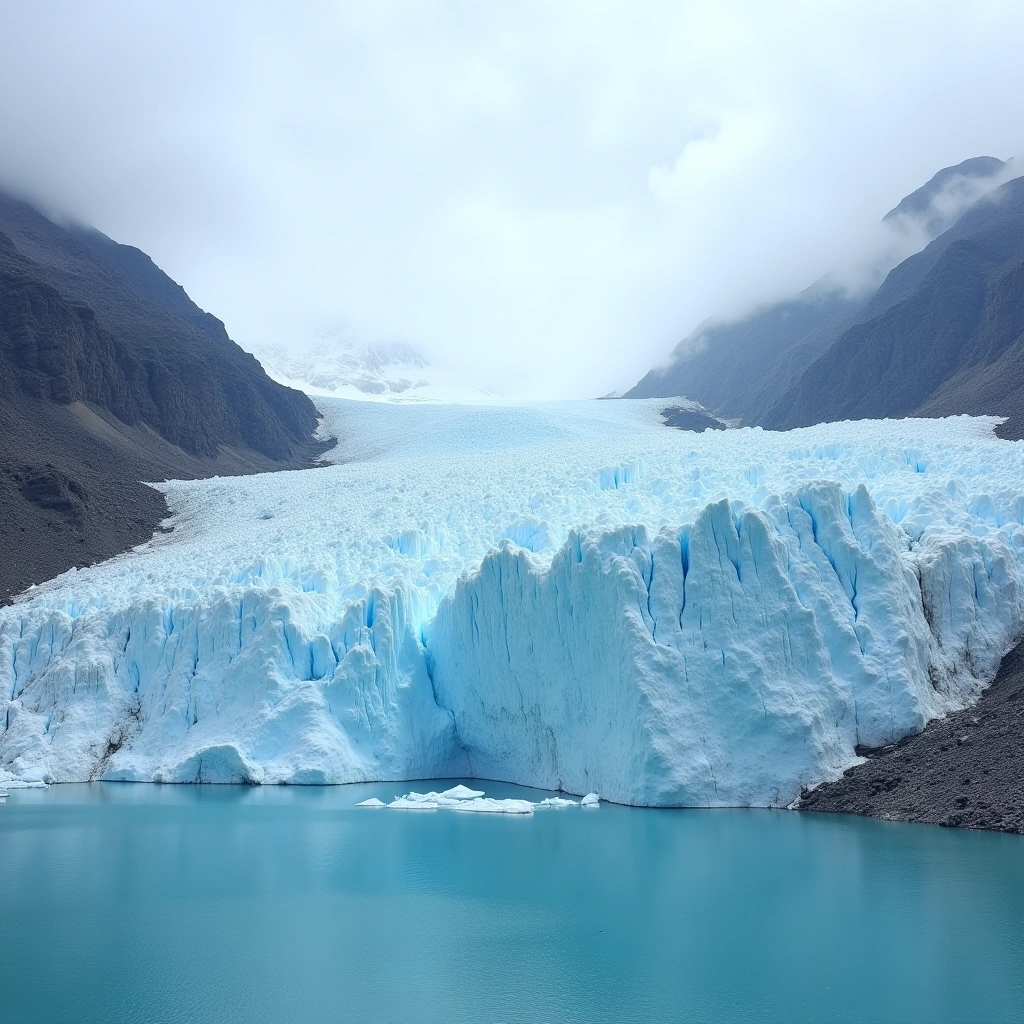
A study by Systemiq and ICIMOD reveals Himalayan glaciers are melting 65% faster than a decade ago , driven heavily by black carbon, with 80% ice volume at risk by 2100.
If you thought the Himalayas were all about majestic peaks and serene landscapes, think again. Recent studies have revealed that these iconic glaciers are melting a staggering 65% faster than previously thought, and the culprit? Drumroll, please… black carbon. Yes, that pesky little pollutant that seems to be the villain in every environmental story lately.
Now, before you start picturing a giant black soot monster stomping around the Himalayas, let’s break down what black carbon actually is. Essentially, it’s a byproduct of burning fossil fuels, biomass, and even coal. So, if you’ve ever roasted marshmallows over an open fire or driven your car while it was spewing out smoke, congratulations! You’ve contributed to the black carbon problem.
But back to the glaciers. The Himalayas are often referred to as the “Third Pole” because they hold the largest amount of fresh water outside of the polar regions. This makes them crucial not just for the local ecosystem but for billions of people who rely on the rivers fed by these glaciers. So, when they start melting at an alarming rate, we should probably all sit up and pay attention.
The study that sparked this revelation highlights that black carbon is settling on the snow and ice, darkening their surface and reducing the amount of sunlight they reflect. Instead of bouncing off into the atmosphere, that sunlight is absorbed, causing the glaciers to melt even faster. So, in a way, we’ve turned these beautiful white glaciers into giant black sponges. Who knew that was the plan?
Now, you might be wondering, “What can I do about it?” Well, for starters, you can stop burning things. Just kidding—sort of. While it’s not exactly feasible to stop all combustion in our lives, we can certainly reduce our carbon footprint. This includes using cleaner energy sources, driving less (or at least not driving like you’re in a Fast and Furious movie), and supporting policies that aim to reduce emissions.
Also, it’s worth noting that this isn’t just a problem for the locals; the melting of Himalayan glaciers has global implications. Rising sea levels, altered weather patterns, and even changes in monsoon cycles can all be traced back to these icy giants. So, when you think about it, the fate of the Himalayas is pretty much tied to the fate of the planet. No pressure, right?
As we watch the glaciers melt away, we should remember that our actions have consequences. It’s not just about saving the polar bears or the cute little penguins; it’s about ensuring that we have a stable and livable environment for generations to come. So, the next time you see a glacier in a documentary, remember that it’s not just a pretty backdrop; it’s a vital part of our ecosystem that needs our protection.
In conclusion, let’s give a round of applause to black carbon for stealing the show in the Himalayan glaciers’ melting saga. But instead of clapping, let’s take action. Because if we don’t, we might just end up with a very different kind of landscape—one that’s devoid of those stunning glaciers and filled with regret. And nobody wants that.
Inspired by: “Himalayan glaciers melting 65% faster, black carbon to blame: Study | India News” (r/climatechange)