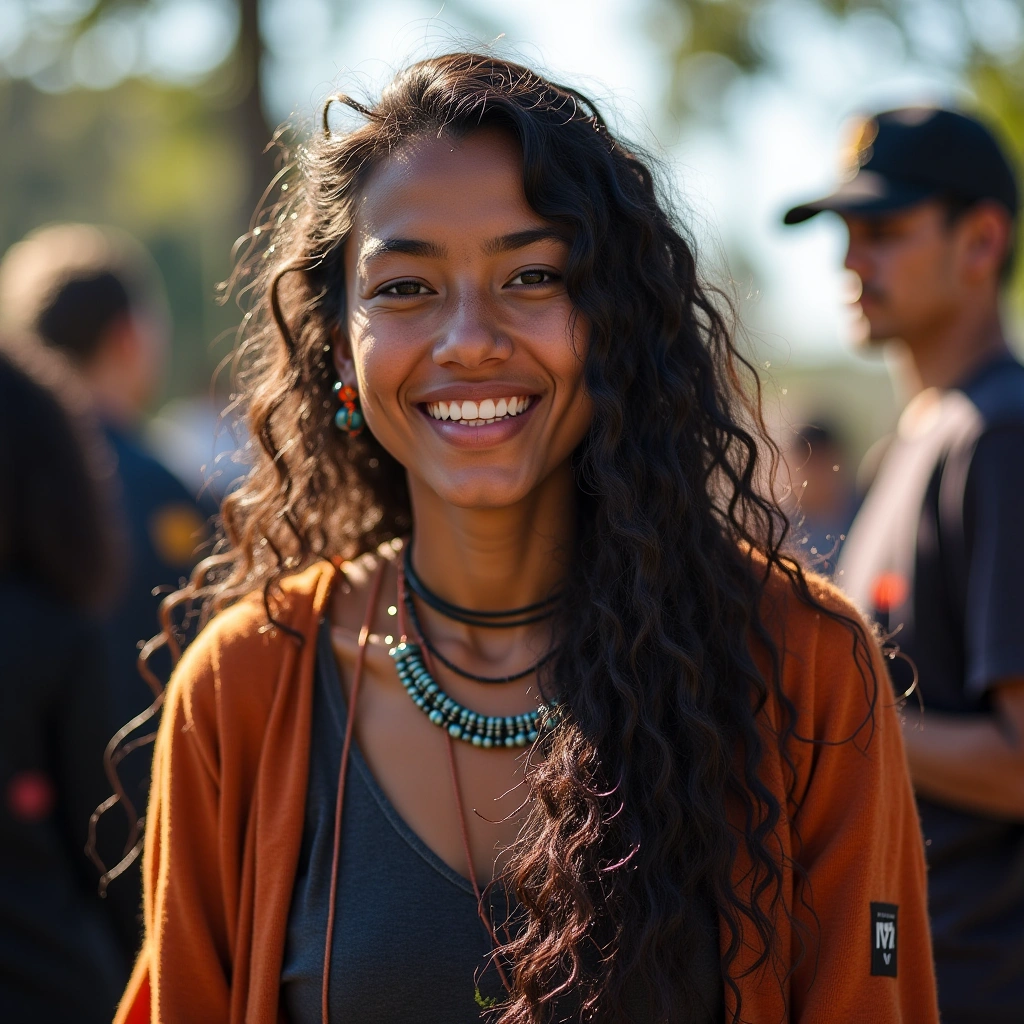
This initiative seeks to amplify impactful climate justice efforts and celebrate the ongoing work being done around the world to advance climate justice . The voice of Afro-descendant and Indigenous peoples in the NY Climate Week 2024.
If you’ve ever thought about climate change as merely a scientific issue, think again. It’s also a deeply human one, fraught with legal implications and cultural significance. Enter Julian Aguon, a human rights lawyer who’s recently made headlines for connecting the dots between climate change and Indigenous rights. Spoiler alert: it’s a pretty potent argument.
In a world where the rising sea levels threaten to swallow small island nations whole, Aguon argues that the stakes are much higher than just real estate values. We’re talking about the very survival of Indigenous cultures and traditions. You see, it’s not just about losing land; it’s about losing a way of life. When climate change wreaks havoc on the environment, it doesn’t just disrupt ecosystems—it disrupts the intricate tapestry of beliefs, practices, and histories that Indigenous peoples have woven over millennia.
Aguon has taken this argument to the legal arena, including a notable case at the International Court of Justice (ICJ) last year. Picture this: a courtroom filled with legal minds debating not just laws, but the very essence of what it means to be human in the face of existential threats. It’s like ‘Law and Order: Special Climate Victims Unit,’ but with a lot more at stake than just a catchy theme song.
The core of Aguon’s argument is that climate change is not a future problem; it’s a present crisis that disproportionately affects Indigenous communities. These communities often lack the resources to adapt to rapid environmental changes, and their voices are frequently overshadowed in global discussions. Aguon is determined to change that narrative. He emphasizes that the legal framework should recognize these harms and provide a platform for Indigenous peoples to advocate for their rights.
But let’s be real for a moment: navigating international law can be as fun as watching paint dry. It’s complex, slow-moving, and often bogged down by bureaucratic red tape. However, Aguon’s work is important because it challenges the status quo and pushes for accountability from those who contribute to climate change. It’s like calling out the kid in class who always messes up the curve—someone’s gotta do it.
As we look to the future, Aguon’s approach serves as a reminder that Indigenous peoples are not just passive victims of climate change; they are crucial players in the fight for climate justice. Their traditional knowledge and practices can offer valuable insights into sustainable living and environmental stewardship. In other words, we might want to start listening up, folks.
In conclusion, the legal arguments stemming from Indigenous loss due to climate change are not just about laws and courts; they are about preserving cultures, traditions, and lives. Aguon’s work highlights the intersection of human rights and environmental justice, showing that when it comes to climate change, we all have a stake in the outcome. So, as we scroll through our feeds and share memes about climate change, let’s not forget the real stories behind the statistics. Let’s keep the conversation going, support Indigenous rights, and maybe even throw in a few sarcastic comments about how the world seems to be on fire—literally and figuratively. After all, if we can’t laugh at the absurdity of it all, what’s the point?
Inspired by: “From Indigenous Loss, a Potent Legal Argument on Climate” (r/climatechange)