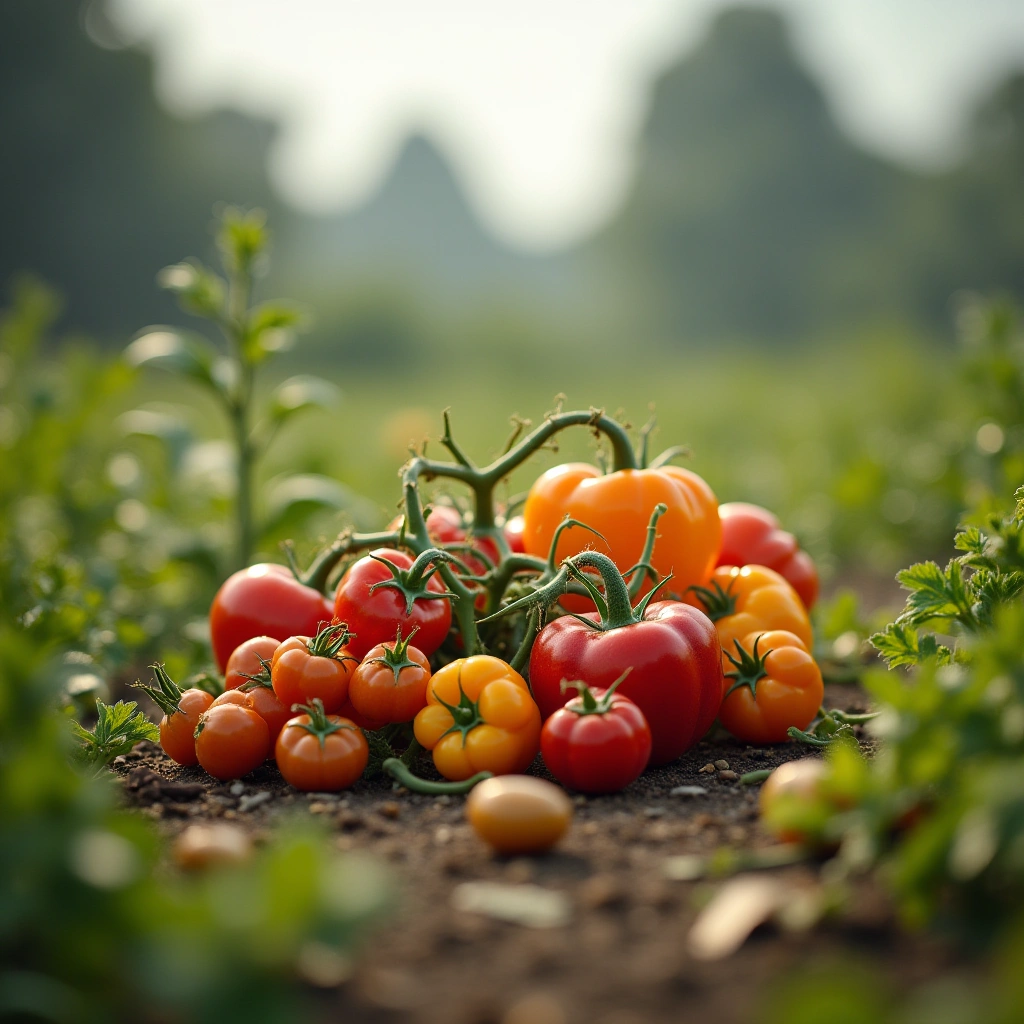
Food crises following disasters are not inevitable when countries build resilient food systems. Key measures include diverse food sources, effective public services, infrastructure, access to technology and finance, and strong community networks .
In a world where climate change can feel like that one overly dramatic friend who always shows up uninvited, it’s refreshing to see some countries taking proactive measures to prevent shocks and disasters from spiraling into full-blown food crises. You know, like that time your friend spilled red wine on your white couch and you had to spend the next hour frantically Googling ‘how to remove red wine stains.’ Spoiler alert: it didn’t end well. But thankfully, when it comes to food security, some countries are learning from past mistakes!
So, what exactly are these resilience measures? Well, think of them as a safety net for food systems. Countries are implementing strategies that prepare them for the unexpected – whether it’s a natural disaster, economic downturn, or the ever-looming threat of climate change. These measures can range from improving agricultural practices to investing in technology that helps predict weather patterns. You know, the kind of stuff that makes you feel like you’re living in a sci-fi movie, minus the flying cars and laser beams.
Take, for instance, the practice of diversifying crops. Instead of putting all their eggs in one basket (or one crop, in this case), countries are encouraging farmers to grow a variety of produce. This is not just to keep things interesting at the farmer’s market; it’s a smart way to ensure that if one crop fails due to drought or pests, there are others that can still thrive. It’s like having a backup plan for your backup plan. And if that doesn’t scream resilience, I don’t know what does.
Another strategy involves investing in infrastructure. Roads, storage facilities, and markets are vital for getting food from farms to tables. Imagine if your favorite pizza joint didn’t have a delivery guy. You’d be left with a pizza craving and no way to satisfy it. Similarly, countries are realizing that a robust infrastructure is essential for ensuring food gets to where it needs to go, especially during crises.
And let’s not forget about technology! Countries are increasingly utilizing data and analytics to predict food shortages before they happen. This is like having a crystal ball, but instead of predicting your ex will text you at 2 AM, it’s forecasting when there might be a food shortage. With the help of satellite imagery and weather data, nations can make informed decisions about crop management, irrigation, and even when to hold back on planting.
Now, you might be wondering, which countries are leading the charge in these resilience measures? Well, some nations have already made significant strides. For example, Ethiopia has been working on its resilience strategy by focusing on improving agricultural practices and investing in climate-smart agriculture. They’re not just sitting around waiting for the next drought to hit; they’re actively working to mitigate the impacts.
Meanwhile, countries in Southeast Asia are also stepping up their game. They’re adopting integrated approaches that combine social protection, livelihood support, and agricultural development to create a buffer against economic shocks. It’s like a buffet of resilience measures, and who doesn’t love a good buffet?
But let’s be real for a moment: while some countries are making commendable efforts, others are still lagging behind. It’s a bit like that one friend who always shows up late to dinner parties. They know they should be there on time, but somehow, they always find a way to make a grand entrance (usually right when dessert is being served).
In conclusion, while shocks and disasters are inevitable, food crises don’t have to be. With the right resilience measures in place, countries can work towards creating a more secure food future. So the next time you hear about a country taking action to prevent a food crisis, just remember: they’re the ones with the backup plans in place, and they’re not waiting for the red wine stain to happen before they whip out the cleaning supplies. Here’s to a future where food crises are just bad memories, rather than imminent realities!
Inspired by: “Countries can prevent shocks and disasters from turning into food crises via to resilience measures…” (r/climatechange)