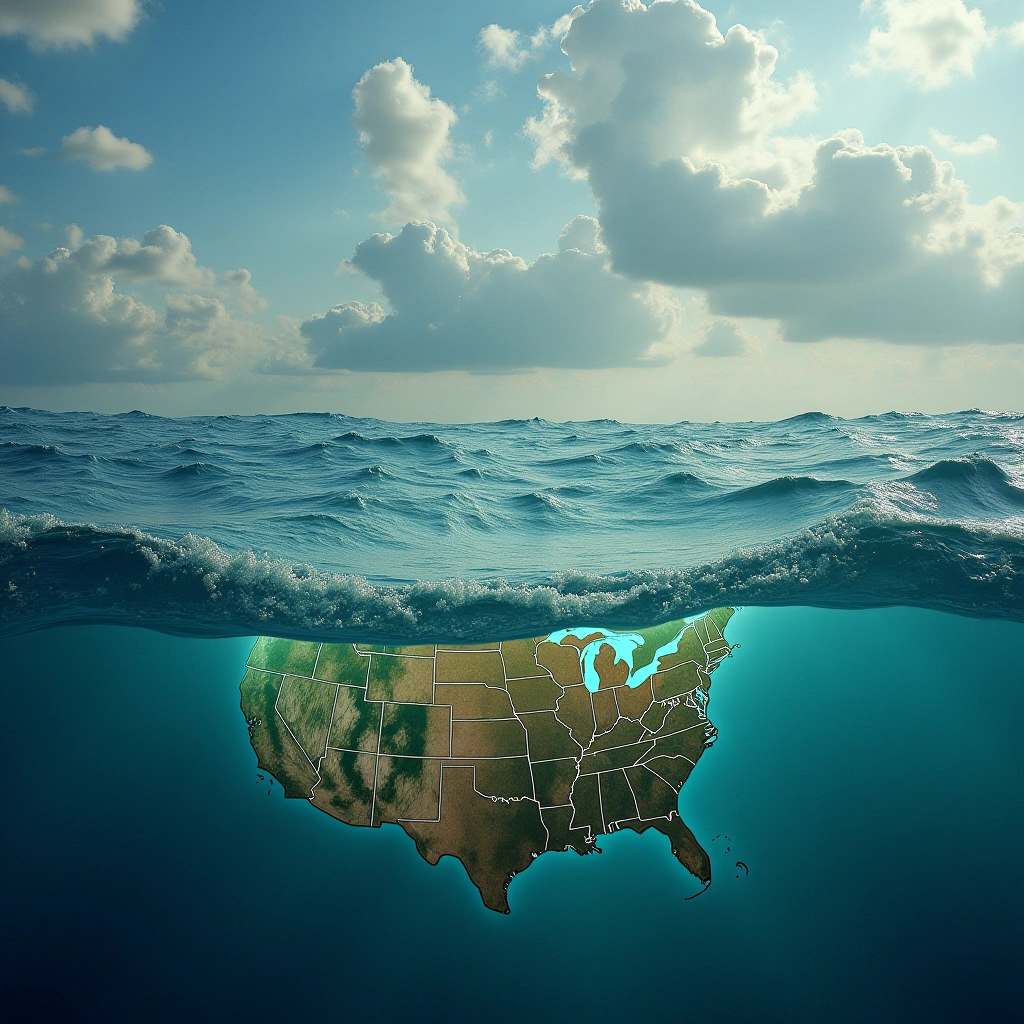
The collapse of one of Earth's most important ocean currents could trigger a huge dip in global food production , scientists have warned.
Ah, the Gulf Stream. That lovely warm ocean current that not only keeps our winters a bit more bearable but also supports a vast ecosystem and, believe it or not, our food supply. But what happens if this vital current decides to take an extended vacation? Spoiler alert: It’s not good news.
Recent studies have raised alarm bells about the potential collapse of the Gulf Stream, which could lead to a significant dip in global food production. Yes, you heard that right—a dip in food production. As if we weren’t already juggling enough global challenges like climate change, pandemics, and the existential dread of Mondays.
So, what exactly is the Gulf Stream, and why should we care? The Gulf Stream is a powerful current in the Atlantic Ocean that transports warm water from the tropics to the North Atlantic. This not only influences weather patterns but also plays a critical role in regulating temperatures across Europe and North America. Think of it as the ocean’s version of a cozy blanket—snuggly and vital.
Now, let’s get to the meat of the matter (pun intended). If the Gulf Stream collapses, we could see drastic changes in climate, particularly in Europe and North America. Expect colder winters, hotter summers, and a general sense of confusion about what season it actually is. And while we might enjoy a little snow in July (who doesn’t love a good snowball fight?), the serious implications for agriculture could be catastrophic.
Crop yields could plummet. Warmer temperatures might lead to droughts in some areas while others could be inundated with floods. It’s like Mother Nature decided to play a game of roulette with our food supply.
Let’s break it down a bit. The Gulf Stream helps distribute heat, which in turn affects rainfall patterns. If it collapses, certain regions could become too dry for farming, while others might become too wet. Farmers would be left scratching their heads, wondering if they should plant corn or build an ark. And we all know how much we love our corn—it’s in everything, from our snacks to our sweeteners.
Then there’s the oceanic impact. The Gulf Stream’s collapse could lead to a rise in sea levels due to melting ice caps, which would further threaten coastal agriculture. If you thought a trip to the grocery store was expensive now, wait until food production takes a hit. Prices will skyrocket, and suddenly, that avocado toast you were so fond of will cost more than your rent.
So, what can we do about it? Well, if we all start hugging trees and reducing our carbon footprints, that might help. But let’s be honest—changing human behavior is like trying to teach a cat to fetch: it’s not going to happen overnight.
In the meantime, it’s crucial to stay informed about climate issues and advocate for sustainable practices. Maybe we can’t single-handedly save the Gulf Stream, but we can certainly try. After all, we don’t want to be the generation that let the ocean’s cozy blanket turn into a soggy, cold mess.
In conclusion, the potential collapse of the Gulf Stream is no laughing matter. It could lead to a significant decline in global food production, affecting everything from our beloved crops to our grocery bills. So, let’s keep our fingers crossed that this warm current stays on course and doesn’t decide to go rogue. Because if it does, we might just find ourselves in a world where the only thing colder than our winters is our dinner plate.
Inspired by: “What will happen if the Gulf Stream collapses? Study forecasts a huge dip in global food production…” (r/climatechange)