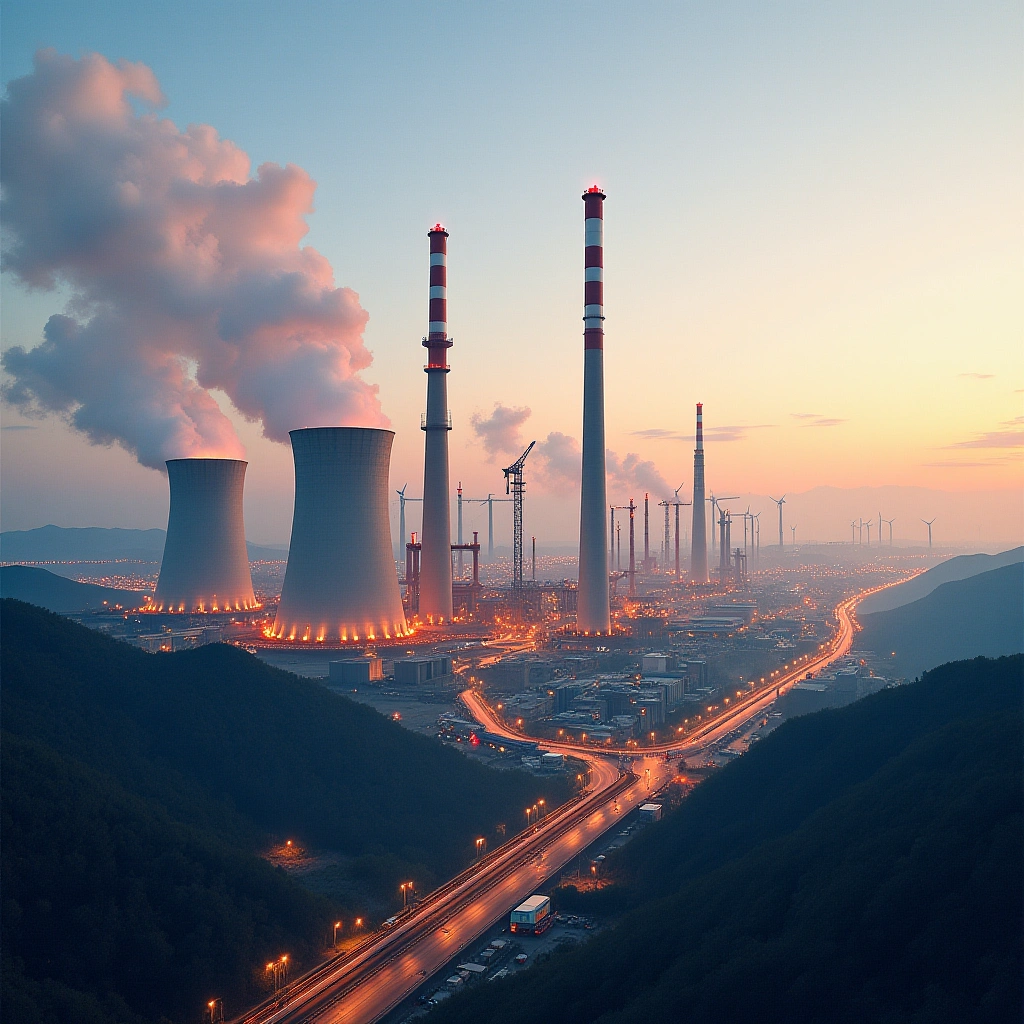
China’s energy transition, therefore, is not simply a shift away from coal, but an ongoing process of redefining how coal is used within the power system .
If you’ve been keeping an eye on global energy trends (or even if you haven’t and just enjoy the occasional scroll through Reddit), you might have noticed that China’s energy transition is picking up speed. Yes, that’s right! The country that once seemed to be the poster child for coal consumption is now increasingly embracing clean electricity. Who would have thought?
Now, before you start picturing a bunch of panda bears dancing around solar panels, let’s break this down. China has been heavily reliant on coal, oil, and gas for its power generation, industry, and transport. But as they say, change is the only constant—unless you’re a stubborn coal plant, in which case you’re probably still chugging away like it’s 1999.
In recent years, the Chinese government has recognized the dire need to shift toward cleaner energy sources to combat air pollution and climate change. It’s like they woke up one day and realized that smog isn’t a great aesthetic choice for their cities. So, what exactly does this energy transition look like?
1. Clean Electricity on the Rise: China is rapidly increasing its investment in renewable energy sources. Wind, solar, and hydroelectric power are becoming more prominent in their energy mix. In fact, China is now the world leader in both solar and wind energy capacity. It’s safe to say that they’re not just dipping their toes in the water; they’ve jumped in headfirst and are flailing around like a kid who just learned to swim.
2. Displacing Fossil Fuels: According to multiple reports, clean electricity is beginning to displace coal, oil, and gas across various sectors. This is a big deal! It’s like watching your favorite TV show finally get rid of that annoying character (looking at you, Steve from accounting). As more renewable energy comes online, the reliance on fossil fuels is gradually decreasing, which is music to the ears of environmentalists everywhere.
3. Industry Transformation: The industrial sector is also undergoing a makeover. Factories are starting to adopt cleaner technologies, and electric vehicles (EVs) are making their way into the transportation sector. It’s like they’re finally getting the memo that the planet is not a bottomless pit for pollution.
4. Government Policies: The Chinese government is backing this transition with various policies and incentives. They’ve set ambitious targets for carbon neutrality and are pouring money into research and development for clean technologies. If only they could figure out a way to turn that funding into a magic wand that makes all the pollution disappear!
5. Challenges Ahead: Of course, no transition is without its hurdles. The reliance on coal is still deeply ingrained, and there are challenges related to grid infrastructure and energy storage. But let’s be real—if anyone can figure this out, it’s China. They’ve built entire cities in a matter of months, after all.
In conclusion, China’s energy transition is a significant step in the right direction. While it’s still a work in progress, the momentum is undeniable. So, the next time you hear someone complain about their electric bill, just remind them that it’s all for the greater good. After all, who wouldn’t want cleaner air and a healthier planet? Plus, imagine how great it’ll be when we can finally breathe in Beijing without feeling like we’re inhaling a chimney’s worth of smoke.
Let’s keep our fingers crossed for a future where clean energy is not just a trend but the norm. And who knows? Maybe one day, we’ll all be driving around in electric cars powered by sunshine, while sipping our organic, locally-sourced, gluten-free lattes. But until then, we’ll just have to settle for watching China lead the charge in the energy revolution.
Inspired by: “China’s energy transition gains momentum; clean electricity is increasingly beginning to displace c…” (r/climatechange)