Nasa-funded project uses yeasts to turn plastics and other waste into edible proteins, fats and flavourings
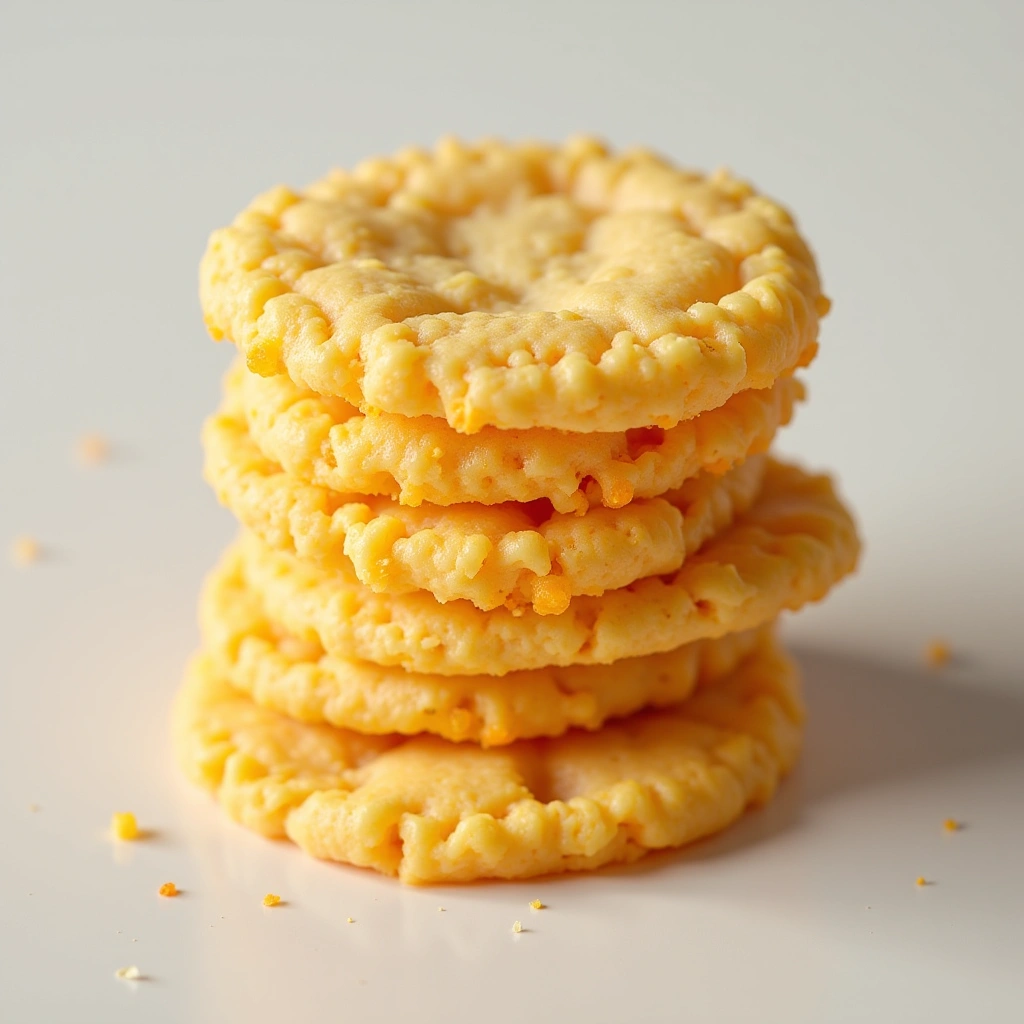
Imagine biting into a cookie that not only satisfies your sweet tooth but also has a backstory that rivals the plot of a sci-fi movie. Well, hold onto your taste buds because we might be on the brink of transforming plastic waste into delectable, protein-rich cookies, thanks to some hardworking microbes and a process that sounds like it was cooked up in a lab straight out of a comic book.
Let’s break this down before you start imagining cookie dough being mixed with old plastic bottles. The process in question is called oxidative hydrothermal dissolution. Sounds fancy, right? It’s basically a high-pressure cooking method that uses water and oxygen to break down plastics and discarded biomass. Think of it as a pressure cooker for waste materials that could use a little TLC (Tender Loving Care, or perhaps, Tender Loving Cookies).
Once the plastics are broken down, yeasts step in like the superheroes of the microbial world. These tiny powerhouses convert the resulting molecules into useful nutritional building blocks, including proteins, fats, and vitamins. It’s like they’re taking the leftovers from our plastic-filled world and deciding to throw a party, complete with a buffet of nutrients. Who knew microbes could be so generous?
The implications of this are huge. With plastic pollution being one of the biggest environmental challenges we face today, finding methods to recycle these materials into something edible is a game changer. No one wants to see a turtle mistaking a plastic bag for a jellyfish, and if we can turn that waste into something beneficial, why not?
Imagine the headlines: “Eat Cookies, Save the Planet!” Forget about the guilt you feel when munching on that cookie dough (yes, we know you do it). Now, you can justify it by saying you’re helping to combat climate change. Just think of all the awkward conversations at parties where you can drop that little nugget of knowledge. “Oh, you’re eating a cookie? Did you know it’s made from recycled plastic?” Cue the impressed gasps.
But before you start dreaming about a world where every cookie is a mini environmental revolution, there are a few caveats. First off, the technology is still in its infancy. While the concept is mind-blowing, we’re not quite ready to see cookie aisles filled with plastic-derived goodies just yet. It’s a work in progress, and scientists are still fine-tuning the process to ensure that the end product is safe and delicious.
Then, there’s the matter of public perception. Let’s be honest, the idea of eating something that was once a plastic bottle might not sit well with everyone. We humans can be a bit squeamish about our food sources. “Isn’t that a bit… crunchy?” someone might ask, eyeing their cookie suspiciously. However, with the right marketing strategy (and maybe some clever naming), we could soon have people lining up for a taste of “Eco-Cookies” or “Planet-Friendly Treats.”
In conclusion, while we’re not quite ready to swap our traditional cookies for these new-age creations just yet, the potential is exciting. Microbes, with their recycling prowess, may hold the key to addressing plastic waste and feeding the world’s growing population. Who would have thought that the future of snacking could involve a little bit of science, a dash of creativity, and a whole lot of microbial magic? So, keep an eye out for those protein-rich cookies—they may just be the ultimate guilt-free indulgence we’ve all been waiting for.
Inspired by: “Microbes turn plastic waste into protein-rich cookies: Oxidative hydrothermal dissolution breaks do…” (r/climatechange)