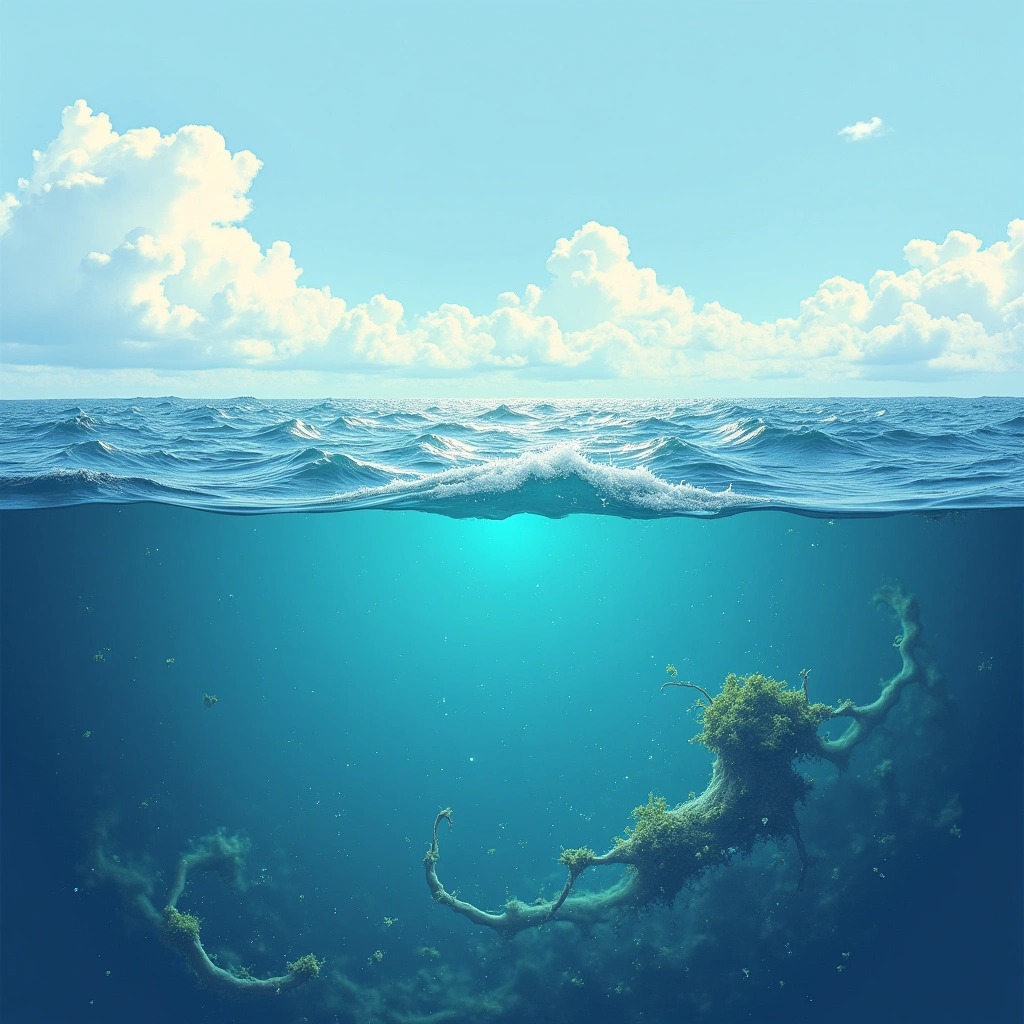
Restoration plans should consider the impacts of sea-level rise and development on future ecosystem distribution. Successful strategies may also consider rolling easements and other measures identified by the U.S. Environmental Protection Agency's Climate Ready Estuaries program. Integrate climate-related risks into capital improvement plans · Plans to build or expand infrastructure should consider the vulnerability of the proposed locations to inland flooding, sea level rise, storm surge and other impacts associated with climate change.
So, it’s 3 AM and someone just had a lightbulb moment about rising ocean levels, and guess what? They decided to share it with the world on Reddit. What a time to be alive! You might be wondering, what could possibly come out of a sleep-deprived mind at that hour? Well, let’s dive into this idea (pun intended) and explore the implications of tackling ocean levels with a sprinkle of humor.
First off, let’s address the elephant in the room—or in this case, the glacier. Our friend from Reddit, who hilariously admits to having a D in chemistry, brought up the concept of the ‘doomsday glacier.’ Sounds dramatic, right? But the truth is, if that bad boy melts, we could be looking at a 10-foot rise in sea levels. Yes, you heard that right! So, while we may not be around to witness it, it’s still a bit concerning.
Now, onto the idea of desalination. We all know that drinking water is becoming as rare as a unicorn sighting, but desalination plants have been popping up to turn ocean water into something that won’t make you gag. The catch? They leave behind a lot of salt—like, a LOT. If we just dumped that salt back into the ocean, we’d be playing a game of environmental roulette. And let’s be honest, with all the issues facing our oceans (thanks, climate change), we don’t need to add brine levels to the list of things that are killing marine life.
But here’s where our Redditor got a little creative. What if we used electrolysis to separate sodium and chlorine from that salty brine? Now we’re talking! Sodium could be the next big thing in nuclear reactor cooling—who knew? And chlorine? Well, it could help disinfect water. Sounds like a win-win, right?
But hold your horses! While this idea sounds fantastic on paper, let’s take a moment to consider the logistics. First, we need to address the minor detail of costs. Electrolysis isn’t exactly cheap. It’s like trying to buy a luxury yacht with your pocket change. Plus, there’s the energy required to run these processes, which might just negate the whole ‘clean energy’ thing we’re aiming for.
And then there’s the little issue of our oceans themselves. If we start removing vast amounts of salt, what’s going to happen to the marine ecosystem? Will we end up creating a bizarre underwater desert? Not to mention, if we really did manage to hydrate the entire world, we might just run out of ocean entirely. Goodbye, beach vacations!
So, while it’s easy to laugh off this idea as a sleep-deprived ramble, it does raise an important point about innovation and thinking outside the box. Sometimes, the best solutions come from the most unexpected places, even if they’re wrapped in a layer of sarcasm and a hint of absurdity.
In conclusion, while our Reddit friend might not be a chemistry whiz, their idea has sparked a conversation about how we can approach rising sea levels and the water crisis. So, let’s keep the dialogue going, shall we? After all, the ocean isn’t going to save itself, and we could all use a little more creativity in our climate change discussions. Now, if only we could figure out how to turn that creativity into a practical solution before it’s too late!
Inspired by: “How do we combat rising ocean levels? I have an idea!” (r/climatechange)