No such scheme, however, exists … the concept of conservoltaic systems to identify and exploit opportunities to combine solar energy production and biodiversity conservation ….
Let’s talk about the magic of conservoltaics—yes, I know it sounds like a fancy term you’d hear at a hipster coffee shop, but stick with me! This concept is all about finding that sweet spot where solar energy production and nature conservation can coexist.
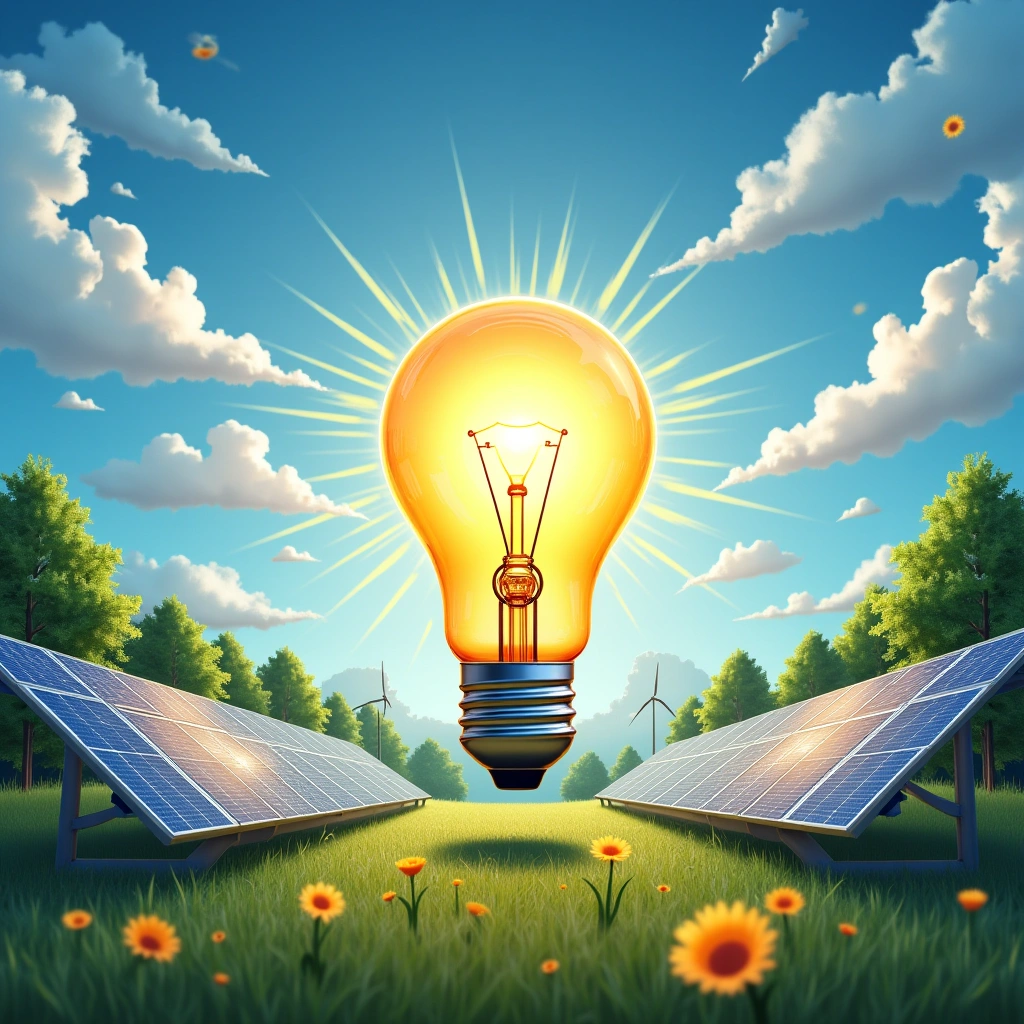
Picture this: vast fields of solar panels soaking up the sun, while underneath, nature is having its own little party. That’s right! The land that often gets overlooked in the name of renewable energy could be transformed into biodiversity hubs. Not only can we harness the power of the sun, but we can also give Mother Nature a much-needed hug.
So, what exactly are we talking about when we say ‘untended lands’? These are areas that, for various reasons, haven’t been cultivated or developed. Think of them as the introverted cousin at the family reunion—just sitting there, waiting for someone to notice them. By placing solar panels on these lands, we can create a win-win situation. The panels soak up sunlight, and the land below can be used to promote the growth of native plants and habitats for local wildlife.
Now, I know what you’re thinking: “But won’t the solar panels block the sunlight from reaching the ground?” Well, fear not! Solar panels can be designed to allow enough light to filter through, enabling plants to thrive underneath. It’s like giving plants a little sunbathing spot while they enjoy the shade.
This isn’t just about looking good on paper; it’s a practical solution to a pressing problem. With the world racing toward net-zero emissions, we need to find ways to maximize our renewable energy infrastructure without sacrificing our natural ecosystems. And that’s where conservoltaics comes in, like a superhero swooping in to save the day.
But wait, there’s more! These solar farms can also act as artificial reefs. I know, I know—how do solar panels become reefs? Well, when we think of reefs, we often imagine vibrant underwater worlds full of life. Similarly, solar farms can become habitats for various species. Birds can nest, insects can buzz about, and maybe even a few small mammals will decide to call it home. Just imagine a solar panel covered in a delightful assortment of flowers—a true Instagram-worthy moment for the wildlife!
Of course, this isn’t just a ‘set it and forget it’ scenario. For conservoltaics to truly thrive, we need thoughtful planning and a commitment to prioritizing nature. This means involving ecologists in the design process and ensuring that the biodiversity we’re trying to support isn’t just a box we check off on an environmental impact report. It’s about creating real habitats that work alongside our renewable energy goals.
So, the next time someone tells you we can’t have our cake and eat it too when it comes to renewable energy and nature, you can confidently tell them about conservoltaics. We can indeed have both a greener planet and a clean energy future. It’s all about finding that balance and giving nature a seat at the table—or, in this case, a patch of land under some solar panels.
In conclusion, conservoltaics is more than just a catchy term; it’s a revolutionary idea that can help us achieve our climate goals while nurturing biodiversity. So let’s roll up our sleeves, put on our thinking caps, and get to work—because the future is bright, and it’s time to make sure nature shines along with it!
Inspired by: “Conservoltaics: There is enough land for nature restoration needs, while building the renewable ene…” (r/climatechange)