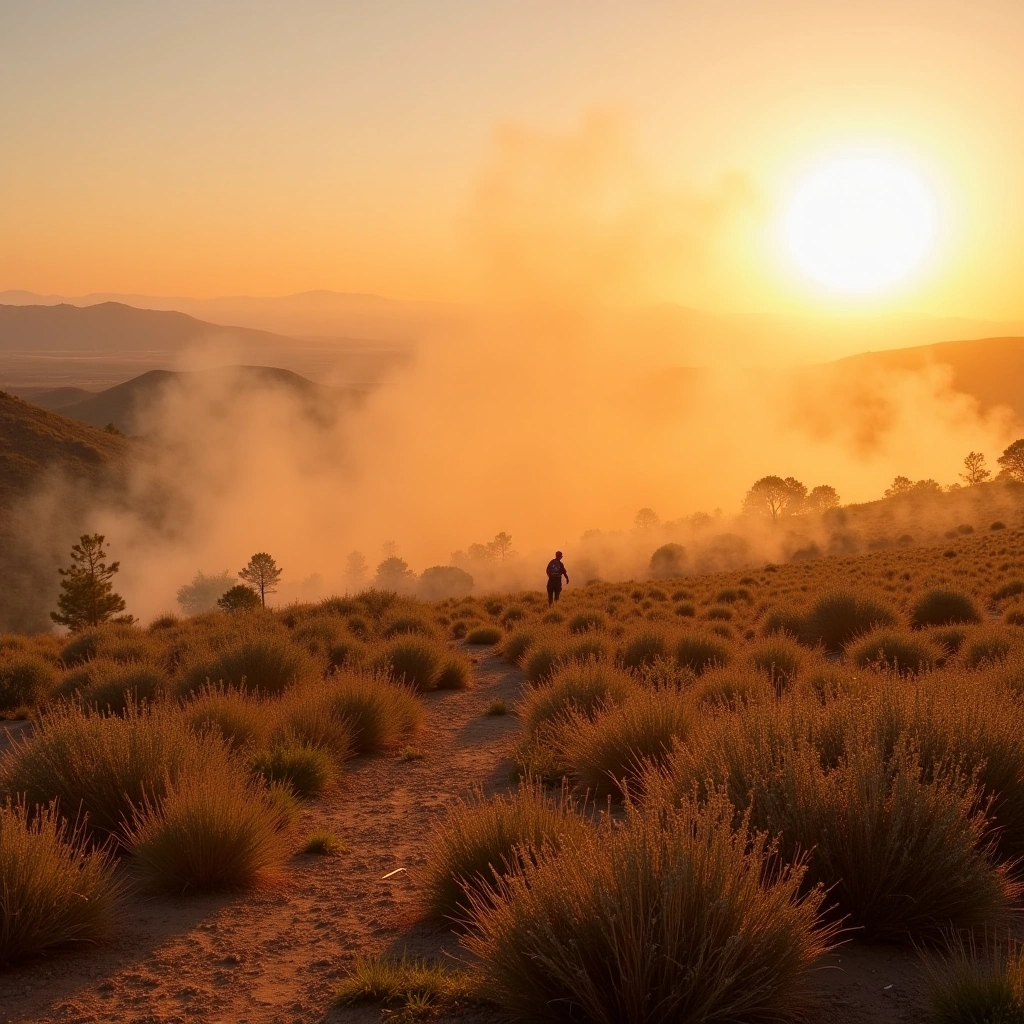
Explore further Fighting fire with … wildfires … Mediterranean wildfire risk can be reduced through landscape-based prevention integrating mixed grazing, controlled burns, and cross-sector collaboration ….
Ah, the Mediterranean. Known for its stunning coastlines, delicious cuisine, and… wildfires? Yes, unfortunately, the beauty of this region often comes with the risk of devastating wildfires, especially in the summer months. But fear not, because there are some promising strategies out there that could help curb this fiery menace. Let’s dive into the world of mixed grazing, controlled burns, and good old-fashioned collaboration.
Mixed Grazing: The Unsung Hero
First off, let’s talk about mixed grazing. If you’re picturing a picturesque scene of sheep and goats frolicking in a sun-drenched field, you’re not far off. Mixed grazing involves using different types of livestock to manage vegetation in a sustainable way. The idea is that different animals eat different plants, which helps maintain a healthier ecosystem.
But why does this matter? Well, when livestock graze effectively, they can reduce the amount of dry, flammable vegetation that accumulates over time. Think of it as nature’s way of tidying up before the big party (i.e., wildfire season). Plus, these animals can help fertilize the soil, which is a win-win for everyone involved—except perhaps the plants that might get munched on.
Controlled Burns: A Little Fire Never Hurt Anyone
Now, controlled burns might sound like a risky endeavor, but hear me out. This practice involves intentionally setting small, manageable fires to clear out underbrush and other flammable materials. It’s like giving Mother Nature a little nudge in the right direction.
By reducing the fuel available for larger wildfires, controlled burns can actually prevent the catastrophic fires that often make headlines. And let’s be honest, nobody wants to be the person who accidentally starts a wildfire because they were too afraid to play with fire in a controlled environment. So, it’s time to embrace our inner firebug—safely, of course.
Collaboration: Because Teamwork Makes the Dream Work
Now, let’s not forget about the importance of collaboration in this whole wildfire prevention saga. It’s not just about farmers and ranchers implementing mixed grazing and controlled burns on their own. To truly make a difference, they need to work together with local governments, environmental organizations, and scientists.
Imagine a world where everyone is on the same page, sharing resources and knowledge. It’s like a big, happy family picnic—except instead of sandwiches and awkward small talk, we’re talking about land management and wildfire prevention strategies. This collaboration can lead to better planning and more effective implementation of these practices, ultimately reducing the wildfire risks across the Mediterranean region.
The Bigger Picture
So, what does all of this mean? By integrating mixed grazing, controlled burns, and collaboration, we can create a more resilient Mediterranean ecosystem. Not only will this help protect the stunning landscapes we love, but it will also safeguard the communities that call this region home.
In conclusion, while wildfires may be a natural part of many ecosystems, we can certainly do our part to minimize their impact. So next time you’re enjoying a lovely Mediterranean meal, just remember: behind the scenes, there are some clever strategies at play to keep the region beautiful and safe. And who knows? Maybe after a few successful collaborations, we’ll throw in a mixed grazing festival for good measure. Because if there’s one thing we can all agree on, it’s that nothing says ‘teamwork’ like a bunch of goats munching on grass together. Cheers to that!
Inspired by: “Mixed grazing, controlled burns and collaboration can curb Mediterranean wildfire risks” (r/climatechange)