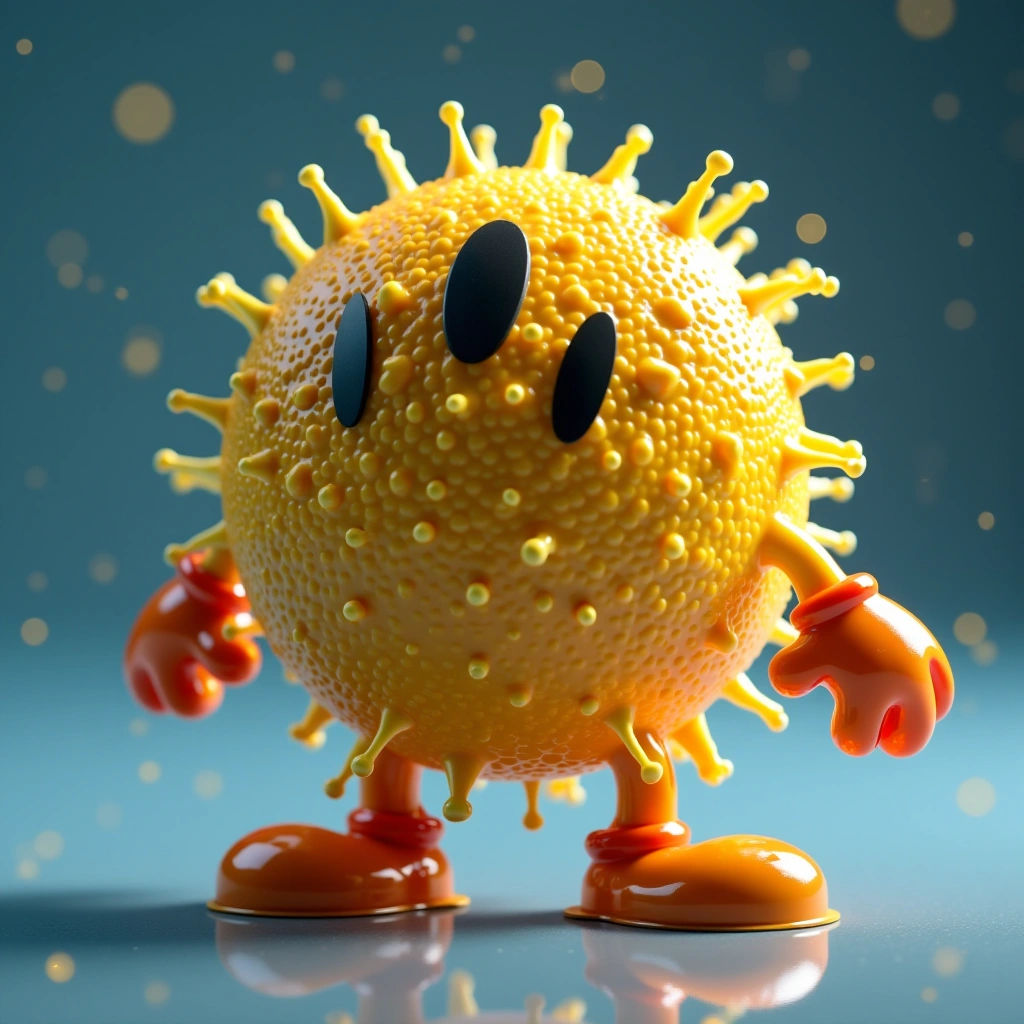
Due to its structure featuring a wide-open active site, the researchers have named this "plastic-eating" enzyme the "Pac-Man enzyme." Accelerating the environmental breakdown of plastic would require the use of biodegradable plastics wherever …
In a world where plastic seems to be the reigning champion of environmental disasters, scientists have decided to unleash a new contender in the fight against pollution: the Pac-Man enzyme. Yes, you heard that right. This enzyme, aptly named after the iconic video game character that gobbles up dots and ghosts with equal enthusiasm, has shown the ability to break down certain types of plastics and even antibiotics in under three months. Talk about a game changer!
So, what’s the backstory here? Researchers have discovered that certain bacteria can adapt remarkably quickly to digest polyester plastics. It’s almost like they’ve been waiting for this moment, ready to take the plunge into a world of plastic waste. These clever little microbes have figured out how to use these plastics as an additional source of carbon and energy. If only we humans could be as adaptable when faced with a buffet of leftovers.
The implications of this discovery are nothing short of exciting. With millions of tons of plastic waste accumulating in our oceans and landfills, the idea that there’s a natural solution lurking in the microbial world is like finding a forgotten slice of pizza in the back of the fridge—unexpected and delightful. Just imagine a future where we can send our plastic waste into a microbial buffet, and in return, we get cleaner oceans and landfills that don’t resemble the set of a post-apocalyptic movie.
Of course, before we start throwing plastic bags at these bacteria like they’re some sort of ecological superhero, there’s a catch. While the Pac-Man enzyme is capable of breaking down plastics, we still have a long way to go before we can implement this solution on a large scale. First, we need to understand exactly how these bacteria work, how they can be cultivated, and whether they can handle the sheer volume of plastic we produce. It’s like trying to train a puppy to fetch a stick that’s far bigger than it is—adorable and potentially messy.
Moreover, the fact that these bacteria can also break down antibiotics is a double-edged sword. On one hand, it’s great to think about cleaning up pharmaceuticals in our water systems. On the other hand, we have to be cautious. We don’t want to accidentally create super bacteria that can resist antibiotics. That’s a plot twist I’d rather avoid, thank you very much.
So, what can we do in the meantime while we wait for these bacterial heroes to save the day? Well, we can start by reducing our plastic consumption. I know, I know—easier said than done. But every little action counts. Bring your reusable bags, say no to plastic straws, and maybe, just maybe, consider that you don’t need to buy a new plastic water bottle every time you go out. It’s a small step, but it’s a step nonetheless.
In conclusion, the discovery of the Pac-Man enzyme is a promising leap forward in our battle against plastic waste. While we’re not quite ready to crown it the king of environmental solutions just yet, it’s certainly making a strong case. So let’s keep our eyes peeled for more advancements in this field, and who knows? One day we might look back at this moment and say, “Remember when we thought plastic was unbeatable?” Here’s hoping for a cleaner, greener future—one Pac-Man bite at a time!
Inspired by: “Newly discovered ‘Pac-Man enzyme’ can break down some types of plastics and antibiotics in less tha…” (r/climatechange)