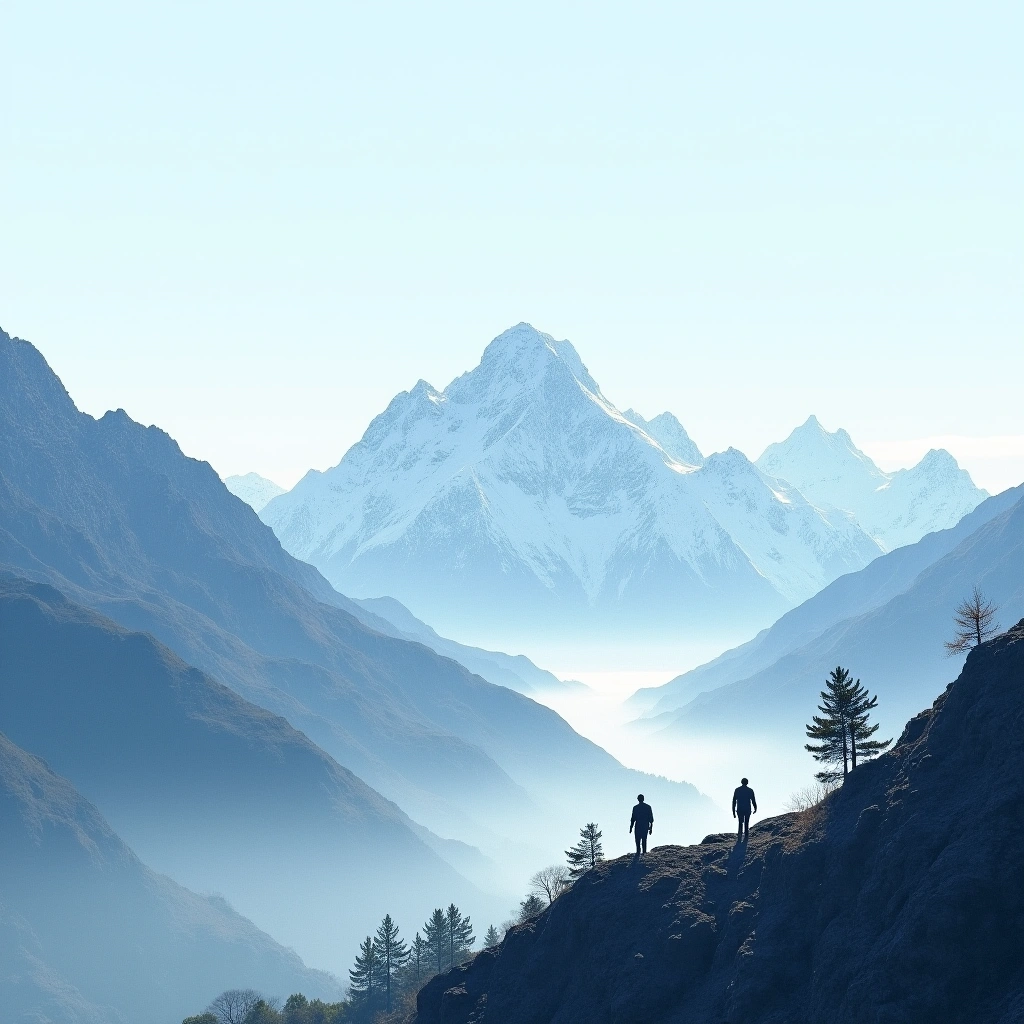
I think Nepal is asking the world to answer with responsibility. The Himalayas belong to Nepal, but they are not only Nepal’s. The water they store sustains Asia. The climate they are experiencing is the product of a global atmosphere .
Ah, the Himalayas. Towering peaks, breathtaking views, and a great place for a selfie—if you can handle the altitude. But while these majestic mountains are often the poster children for climate change discussions, it turns out they didn’t actually cause the problem. So, why is Nepal, nestled in the lap of these giants, paying the price for a crisis it didn’t create?
Let’s break it down. First off, the climate crisis is a global issue, driven primarily by industrialization, fossil fuel consumption, and, let’s face it, our collective inability to stop binge-watching Netflix long enough to turn off the lights. Countries with the biggest carbon footprints—looking at you, developed nations—are the ones that have contributed most to this crisis. But, as is often the case, it’s the smaller, less industrialized countries that are left holding the bag when things go south.
Nepal, with its breathtaking landscapes and rich culture, is one of those countries. Despite contributing a minuscule amount to global greenhouse gas emissions, it is experiencing the brunt of climate impacts. Rising temperatures, erratic weather patterns, and melting glaciers are not just unfortunate side effects; they are existential threats for many communities in Nepal.
Let’s talk about those glaciers for a moment. The Himalayas house some of the largest glaciers outside of the polar regions. They act as natural water towers for millions of people in the region. But as global temperatures rise, these glaciers are retreating faster than your friend who claims they’ll join you for a workout but always opts for the couch instead. This melting is causing a double whammy: initial flooding from glacial melt followed by severe water shortages as the glaciers recede. It’s like a bad breakup—lots of drama at first, then you’re left feeling empty.
And if you think that’s bad, consider the agriculture sector. Farmers in Nepal depend heavily on predictable weather patterns. But climate change is throwing a wrench into that plan. Erratic rainfall and unpredictable seasons are making it increasingly difficult to grow crops. So, while the rest of us are fretting about whether to order takeout or prepare a home-cooked meal, farmers in Nepal are facing the very real threat of food insecurity. Talk about a tough dinner decision.
The irony is thick here. Countries like Nepal, which are least responsible for climate change, are often the first to feel its effects. It’s like being blamed for a party you didn’t even attend. And as Nepal grapples with these challenges, the world continues to emit greenhouse gases at an alarming rate, often prioritizing short-term gains over long-term sustainability.
So, what can be done? While it’s easy to throw our hands up in despair, there are steps that can be taken. International cooperation and funding for climate adaptation and resilience are crucial. Developed nations need to step up and support countries like Nepal in building infrastructure that can withstand climate impacts. After all, it’s the least we can do when our collective actions have put them in this precarious position.
In conclusion, while the Himalayas might not be the villains in the climate crisis narrative, they are certainly part of the story. And Nepal, with its stunning landscapes and resilient people, deserves more than just sympathy. It deserves action. So, the next time you’re admiring those snow-capped peaks from a distance, remember that they’re not just a pretty backdrop; they’re a reminder of the urgent need for global accountability and support in the face of climate change. Let’s make sure we do better—because if we don’t, we might just find ourselves on the wrong side of history, and nobody wants to be that guy.
Inspired by: “The Himalayas Didn’t Cause the Climate Crisis. Why is Nepal Paying the Price?” (r/climatechange)