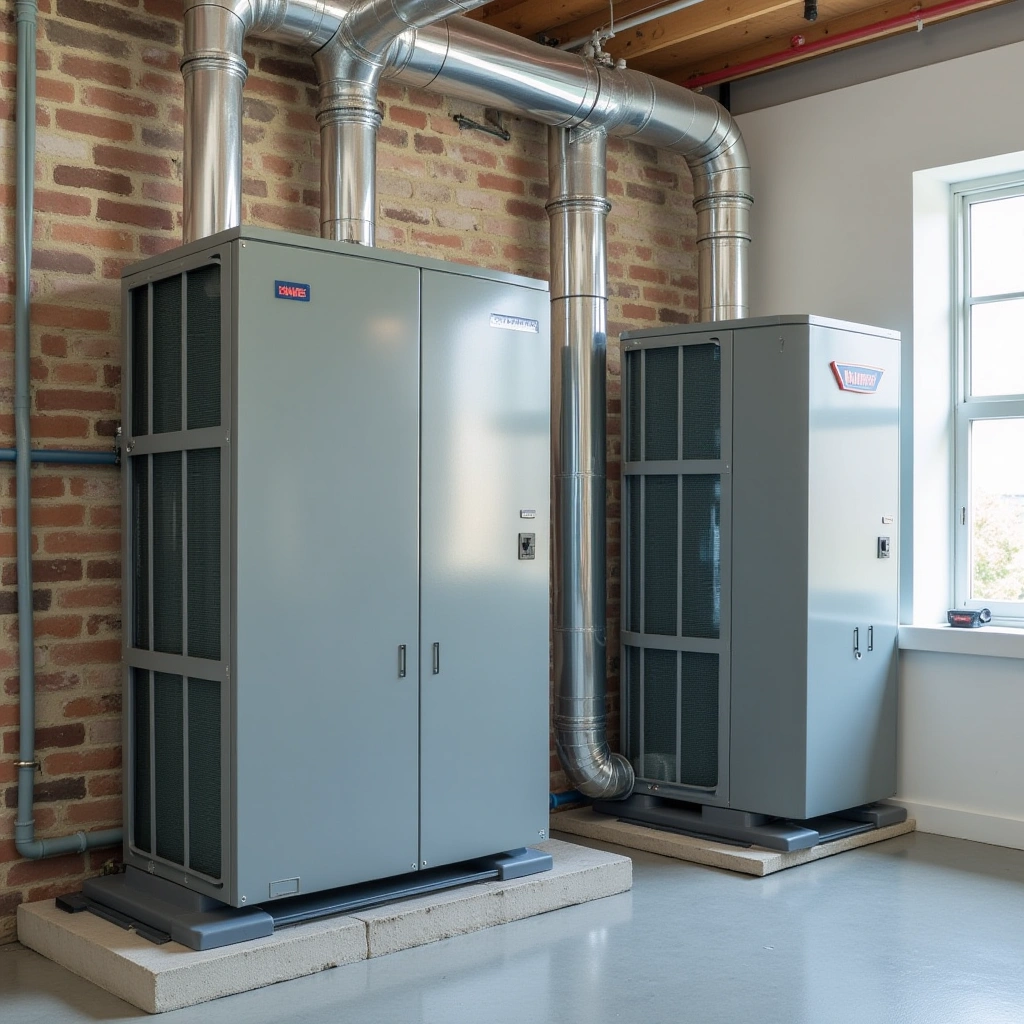
Heat pumps are all-electric systems that move heat rather than generate it, allowing a single unit to provide both heating and cooling with up to 75% less energy use than traditional furnaces. Sales have surpassed gas furnaces in the U.S. since 2022, driven by cold-climate innovations that maintain efficiency in freezing temperatures and significant cost savings for homeowners. This technology is rapidly becoming the new standard for home comfort, offering cleaner indoor air and reduced carbon emissions while eliminating the need for fossil fuel combustion.
In 2025, a whopping 53% of new apartment buildings and 48% of new houses in the US came equipped with heat pumps. Yes, you heard that right! These nifty little devices are becoming the go-to choice for home builders across the nation. It seems like the days of gas heating are being put on the back burner, and honestly, who can blame them? Let’s dive into why heat pumps are heating up the market (pun totally intended).
First off, what exactly is a heat pump? Think of it as that overachieving friend who can do it all. It can both heat and cool your indoor spaces, which is especially handy in places that experience all four seasons (looking at you, Midwest!). Unlike traditional heating systems that rely on burning gas, heat pumps use electricity to move heat from one place to another. In the winter, they pull warmth from the outside air (yes, even when it’s cold!) and transfer it indoors. In the summer, they do the opposite—cooling your home by moving heat outside. Talk about versatility!
Now, let’s address the elephant in the room: climate change. With the world facing ever-increasing temperatures and erratic weather patterns, it’s about time we made some serious changes in how we heat and cool our homes. Heat pumps are considered a climate-friendly alternative since they can significantly reduce greenhouse gas emissions. They’re like the eco-warriors of the HVAC world, and who wouldn’t want to be friends with an eco-warrior?
Not only are heat pumps better for the environment, but they also save builders time, complexity, and money. In a world where every penny counts (thanks, inflation), the last thing builders want is to complicate their lives with gas lines and ventilation systems. Ditching gas means fewer headaches and more straightforward installations. Builders can get those homes up and running faster than you can say “energy efficiency!”
Plus, let’s be real: energy efficiency is the new black. Homebuyers are increasingly looking for properties that won’t just keep them cozy but also save them money on their utility bills. Heat pumps are known for their efficiency, often boasting a 300-400% efficiency rating. This means that for every unit of electricity they use, they can produce three to four units of heating or cooling. It’s like getting a buy-one-get-three-free deal—who doesn’t love a good bargain?
But wait, there’s more! The technology behind heat pumps has improved leaps and bounds in recent years, making them more reliable and effective in extreme temperatures. No longer are they just for mild climates; they can handle the icy winters and sweltering summers like a champ. So, if you’re concerned about your future heat pump breaking down when the temperature dips below freezing, fear not! These appliances are ready for the challenge.
In conclusion, as we move further into the 2020s, it’s clear that heat pumps are here to stay. With a growing trend towards sustainability in home building and a desire for energy efficiency, it’s no surprise that these climate-friendly appliances are becoming the norm. So, whether you’re a builder, a homeowner, or just someone who appreciates a good pun, it’s time to embrace the heat pump revolution. Because let’s face it, when it comes to heating and cooling your home, why settle for ordinary when you can have extraordinary? Stay warm (or cool), my friends!
Inspired by: “In 2025, 53% of new apartment buildings and 48% of new houses in the US came equipped with heat pum…” (r/climatechange)