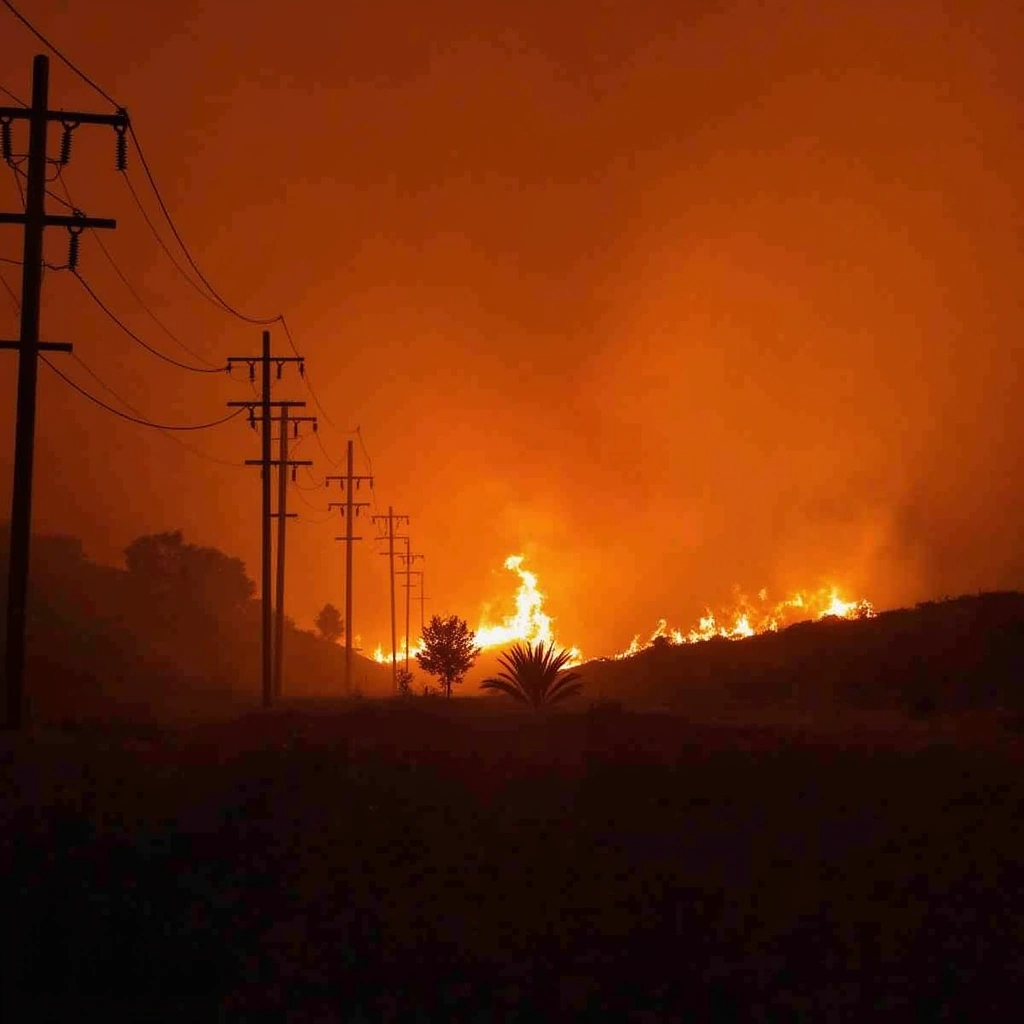
California investor-owned utilities like PG&E and Edison International saw their stock prices plummet by over 20% in late August and early September 2026 after lawmakers rejected Governor Gavin Newsom’s proposal to shield them from full wildfire liability. The utilities, citing potential credit downgrades and higher borrowing costs, threatened shareholder-protective actions such as stock buybacks if comprehensive liability reforms were not passed. Ultimately, the legislature killed the bill on the final day of the session, leaving utilities exposed to massive financial risks from utility-sparked blazes like the Eaton Fire and stalling their path to stable investment-grade credit.
Ah, California. The land of sunshine, palm trees, and, apparently, wildfires that are now costing utility companies a pretty penny. If you’ve been keeping up with the news, you might have noticed that the California Legislature recently decided not to shield utilities from wildfire liability. This decision has sent stock prices for major players like Pacific Gas and Electric (PG&E) and Edison International tumbling—20% and 23%, respectively. Ouch!
So, what does this mean for the average Californian? Well, aside from the fact that your power bill might soon resemble your rent, it’s a signal that the state is taking wildfire risks seriously. Let’s break it down.
The Wildfire Dilemma
California has been grappling with wildfires for years, but it seems like every summer, the situation gets worse. With climate change making things hotter and drier, the risk of wildfires is increasing, and utility companies are often blamed when these fires get out of control. After all, who can forget the infamous PG&E, which has been linked to several devastating fires?
In a state where wildfires are practically a seasonal event, the Legislature’s decision to not shield utilities from liability is a bold move. It’s like saying, “Hey, if you’re going to play with fire, you better be prepared to get burned.”
The Stock Market Reaction
As you can imagine, investors are not thrilled about this news. The stock prices for PG&E and Edison International took a nosedive faster than my motivation to go to the gym after a long day. This drop reflects the market’s concern over the financial ramifications of potential wildfire liabilities. After all, no one wants to invest in a company that might be held accountable for setting half the state ablaze.
The Legislative Landscape
Now, why would lawmakers decide to take such a hard stance? Well, the goal is to hold utilities accountable for their role in wildfires and to encourage them to invest in preventive measures. The hope is that by not allowing utilities to pass the costs of their negligence onto consumers, these companies will think twice before letting their equipment spark a blaze. It’s a bit like giving a kid a timeout for playing with matches—sometimes you have to take away the temptation.
The Future of Utility Companies
Of course, this doesn’t mean that utilities will just roll over and take the hit. They’re likely to lobby for changes and push back against this decision. After all, they’re not in the business of losing money. Expect to see a lot of discussions about how to balance wildfire prevention with keeping the lights on and the shareholders happy.
What’s Next?
As California heads into its legislative session, it will be interesting to see how lawmakers navigate this tricky landscape. Will they stick to their guns on liability, or will they cave to pressure from utilities? One thing’s for sure: the stakes are high, and the consequences of these decisions will impact every Californian.
In the meantime, if you’re an investor in these companies, maybe it’s time to rethink your strategy. And for the rest of us—well, we’ll just keep our fingers crossed that our homes aren’t the next ones to go up in smoke.
So, grab your popcorn, folks! This legislative session is bound to be a wild ride.
Inspired by: “Utility Dive: Wildfire costs loom over California legislative session that passed solar, data cente…” (r/climatechange)