A Super El Niño is defined by sea surface temperatures in the tropical Pacific rising at least 2°C above average, a rare threshold last seen in the late 1990s that significantly amplifies global weather disruptions. This event releases vast amounts of ocean heat into the atmosphere, temporarily boosting global temperatures and intensifying the hydrological cycle, which exacerbates extreme weather events like severe droughts and flooding in vulnerable regions.
So, let’s talk about something that’s been making waves—literally and figuratively—in the climate change conversation: the Super El Niño. You might be wondering, “What is this Super El Niño thing, and why should I care?” Well, settle in because we’re about to dive into how this weather phenomenon could turbocharge warming in the Himalayas. Spoiler alert: it’s not good news.
First off, let’s break down what El Niño is. Imagine a giant warm ocean wave that decides to crash into the coast of South America, disrupting weather patterns across the globe. Sounds fun, right? Well, it can be, if you’re a surfer. For the rest of us, it can lead to all sorts of climate chaos, including droughts, floods, and, you guessed it, increased temperatures.
Now, when we say “Super El Niño,” we’re talking about an El Niño that’s gone full superhero mode. It’s not just your average warm ocean wave; it’s the Hulk of ocean waves. This phenomenon can lead to more extreme weather events, and guess where the effects are particularly pronounced? You guessed it—high-altitude places like the Himalayas.
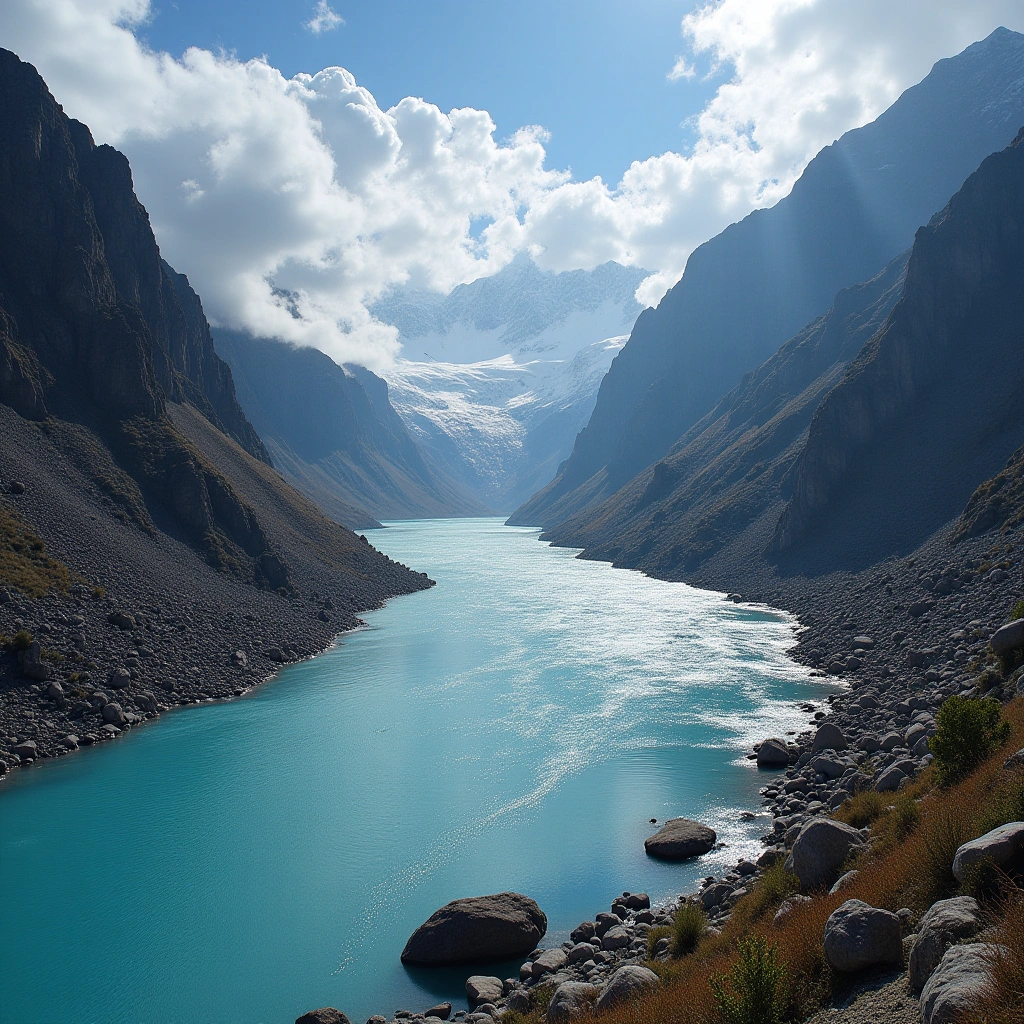
The Himalayas, often dubbed the “Third Pole” because they hold the largest reserves of ice outside the Arctic and Antarctic, are already feeling the heat. Research indicates that these majestic mountains are warming at an alarming rate, and the arrival of a Super El Niño could accelerate this process. Warming temperatures can lead to glacial melt, which might sound fun for a summer getaway but is actually a disaster waiting to happen. We’re talking about rising sea levels, altered river flows, and increased risks of landslides. Basically, it’s a recipe for chaos.
But how does this all tie back to our oceanic friend, the Super El Niño? Well, it’s all about the atmospheric changes that come with it. The increased heat from the ocean can alter wind patterns and precipitation, pushing warm air and moisture into the Himalayas. This leads to more rain in some areas and less in others, which can disrupt the delicate balance of the ecosystem. Imagine if your favorite dessert suddenly started tasting like cardboard—nobody wants that.
And let’s not forget about the local communities. The people living in and around the Himalayas depend on the glaciers for their water supply. As these glaciers shrink, it won’t just be a problem for Instagram photos; it will impact agriculture, drinking water, and overall livelihoods. Talk about a double whammy!
Now, you might be thinking, “Okay, but isn’t this just another climate change scare tactic?” Well, to that, I say: Have you seen the news lately? The evidence is mounting faster than the snow on Everest. Scientists are keeping a close eye on the situation, and while we can’t say for sure how bad it will get, the consensus is clear—things are heating up, and not in a good way.
So, what can we do about it? For starters, we can educate ourselves and others about these issues. Knowledge is power, after all. We can also support policies aimed at reducing carbon emissions and investing in renewable energy. And if you’re feeling particularly ambitious, why not take a moment to reflect on your own carbon footprint? Just maybe skip that extra flight to Bali this year.
In conclusion, the Super El Niño is no laughing matter when it comes to the warming of the Himalayas. It’s a complex interplay of ocean and atmospheric conditions that could have far-reaching consequences. So, let’s keep our eyes on the horizon and maybe, just maybe, do our part to address climate change before it’s too late. Because if the Himalayas start to melt like ice cream on a hot day, we’re all in for a sticky situation.
Inspired by: “How the super El Niño could turbocharge warming in the Himalayas” (r/climatechange)