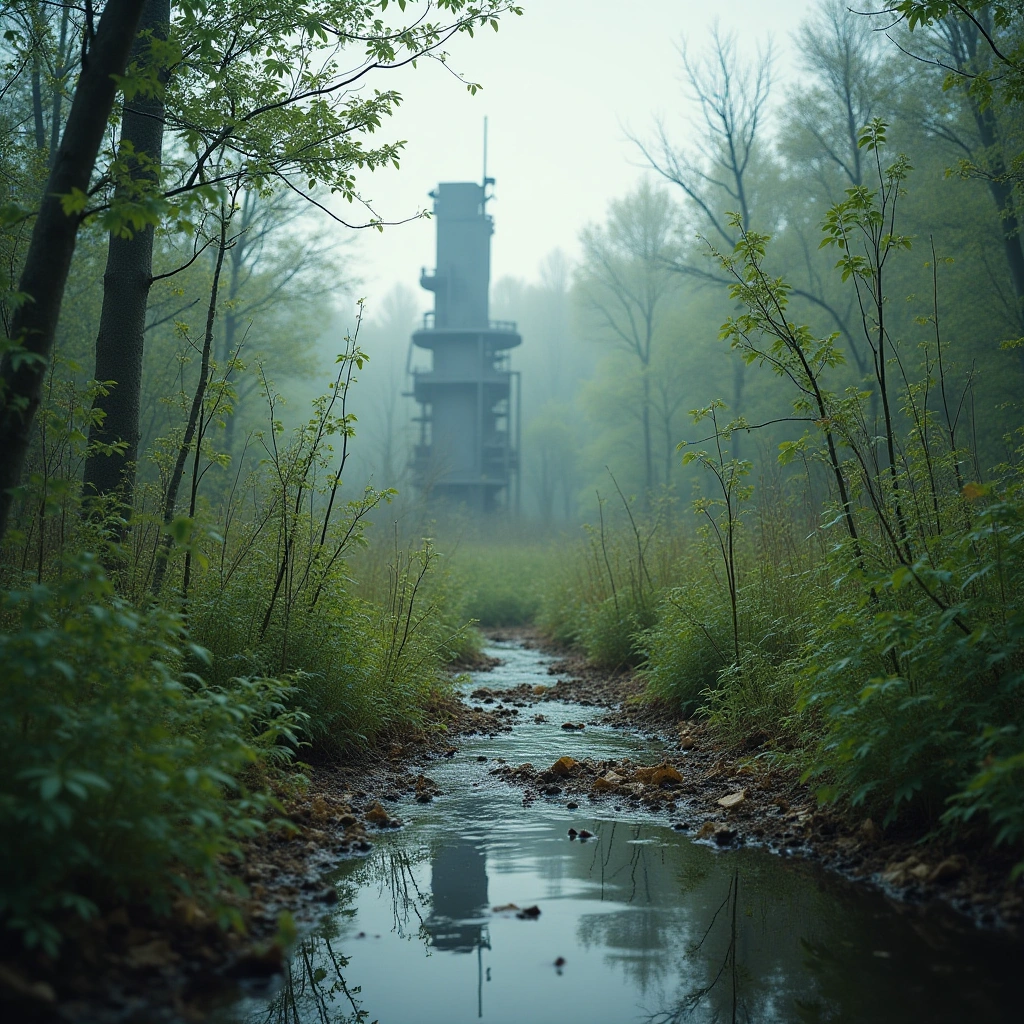
Forty years after the 1986 nuclear disaster, the Chernobyl Exclusion Zone has transformed into an unintended wildlife sanctuary where the absence of human activity has allowed populations of wolves, bears, and bison to thrive despite ongoing radiation. Studies indicate that the removal of hunting, agriculture, and development has had a more positive impact on biodiversity than the negative effects of the radioactive contamination. This area now serves as a unique ecological laboratory, demonstrating how nature can rebound when human pressure is eliminated, even in a contaminated environment.
Ah, Chernobyl. The name alone brings to mind images of abandoned buildings, eerie landscapes, and, of course, the infamous nuclear disaster of 1986. But, believe it or not, this site has transformed into something of a wildlife paradise over the past 40 years. Yes, you heard that right! While humans may have fled the area due to radiation concerns, nature has taken the opportunity to reclaim its turf—and it’s thriving in ways we might not have expected.
Let’s take a moment to appreciate the irony here. The very place where a catastrophic reactor explosion once sent shockwaves across the world has now become a sanctuary for wildlife. Wolves, lynx, deer, Przewalski’s horses (yes, those are a real thing, and no, they’re not just a fancy breed of horse), and wild boar are now roaming the exclusion zone in densities seven times higher than before the disaster. Talk about a comeback story!
So, what gives? How did we go from a radioactive wasteland to a thriving ecosystem? Well, it turns out that when you remove human pressure from an area, nature tends to bounce back quite impressively. It’s almost like nature’s version of ‘you snooze, you lose.’ With people out of the picture, these large mammals have found a safe haven to live, breed, and do all the wild things that animals do when we’re not watching (and thank goodness for that!).
The exclusion zone, which stretches over 1,600 square kilometers, has essentially become a giant wildlife reserve. The absence of hunting, habitat destruction, and pollution has allowed species to flourish. In fact, studies have shown that biodiversity is actually increasing in the area. Who would have thought that a nuclear disaster could lead to such a positive outcome for wildlife? It’s almost like a plot twist in a really bizarre movie.
But let’s not forget the elephant in the room—or should I say, the radioactive boar in the woods? While the wildlife is thriving, the radiation levels are still a concern. Animals in the area have been exposed to higher levels of radiation, and researchers are still studying the long-term effects of this exposure. It’s a bit of a mixed bag, really. On one hand, we have a flourishing ecosystem; on the other hand, we have the very real risks associated with radiation. It’s like getting a great deal on a used car but finding out it’s got a mysterious ticking noise.
Despite the risks, the story of Chernobyl serves as a powerful reminder of nature’s resilience. It shows us that when we step back, the natural world can heal and adapt in ways we often underestimate. Maybe there’s a lesson in all of this for us as we face climate change and habitat destruction—perhaps we should let nature take the reins a little more often?
So, the next time you hear someone mention Chernobyl, don’t just think about the disaster. Think about the wolves howling in the distance, the deer prancing around, and the Przewalski’s horses living their best lives in a place once deemed uninhabitable. Who knew that a nuclear disaster could end up being a wildlife success story? Nature, you truly are a master of the unexpected.
Inspired by: “40 years after the catastrophic Chernobyl reactor explosion, wolves, lynx, deer, Przewalski’s horse…” (r/climatechange)