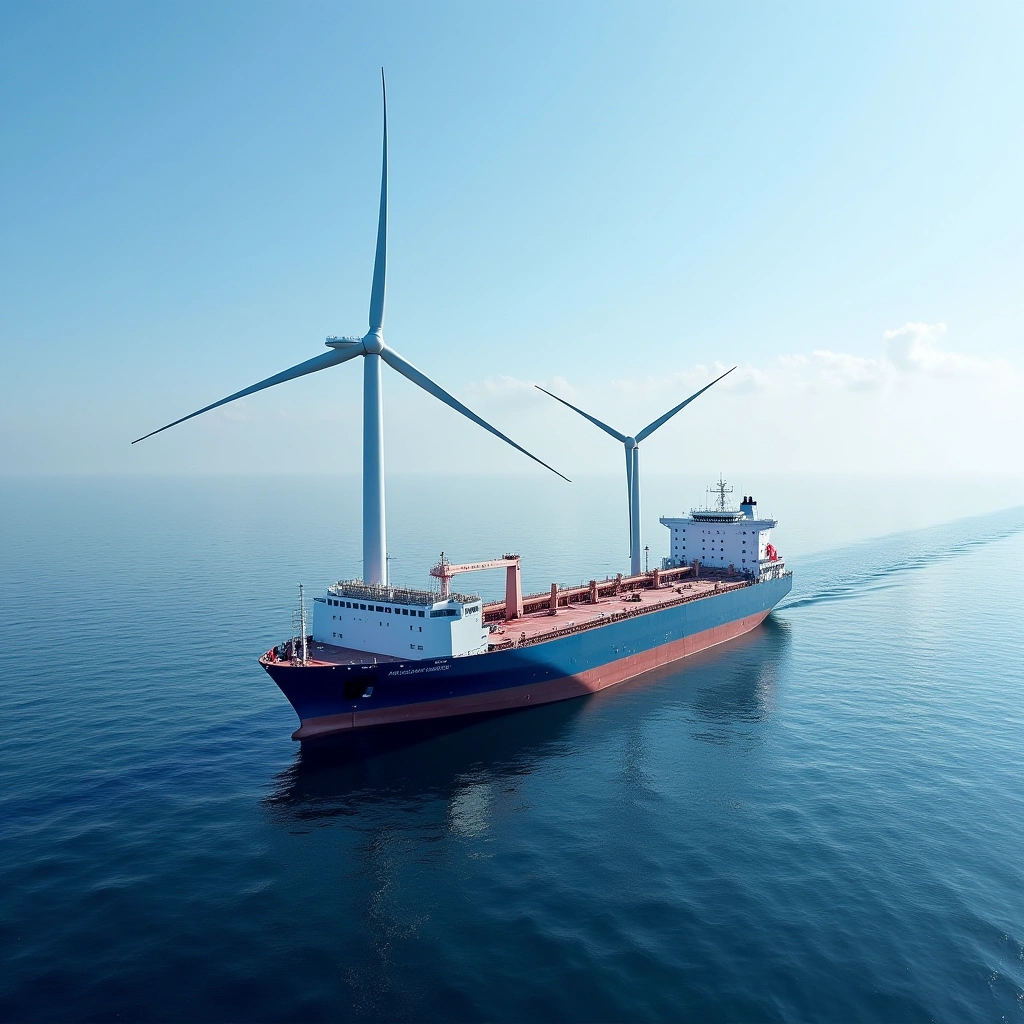
Maersk Tankers has pioneered the use of rotor sails, or Flettner rotors, to harness wind energy for auxiliary propulsion, aiming to reduce fuel consumption and emissions by 7-10%. This strategy involves installing 30-meter tall spinning cylinders on tankers like the Maersk Pelican, leveraging the Magnus effect to generate thrust without traditional canvas sails. Driven by rising fuel costs and stricter IMO 2050 emissions targets, Maersk is testing this technology to potentially retrofit its fleet and achieve significant operational savings while supporting decarbonization goals.
Ahoy, climate warriors and shipping enthusiasts! It seems that the age of sail is making a comeback, but this time it’s not just for pirates and romanticized historical reenactments. Nope, it’s 2023, and Maersk, one of the largest container shipping companies in the world, has decided to harness the power of the wind to cut down on fuel costs. If you’re wondering how this works, don’t worry; I’m here to break it down for you—without getting too technical, of course.
You see, Maersk has recently announced its ambitious plans to install wind sails on its container ships. Yes, you read that right. Actual sails. The kind that conjures images of swashbuckling adventures and treasure maps, not the kind of thing you’d expect on a massive cargo vessel. But here we are, living in a world where wind energy is making a comeback in the most unexpected places.
Why sails, you ask? Well, let’s face it: fuel prices are soaring, and the planet is in dire need of some eco-friendly solutions. By using sails, Maersk aims to reduce fuel consumption and carbon emissions. It’s like they’re saying, “Why not let Mother Nature do some of the heavy lifting?” And honestly, it’s about time someone gave her a break. I mean, we’ve been burning fossil fuels like it’s going out of style, and spoiler alert: it is.
Now, I can hear the skeptics already: “But sails are so… old-fashioned!” Yes, yes, we get it. Next, you’ll be telling me that riding a horse to work is the way to go. But let’s not forget that sailing technology has come a long way since the days of wooden ships and rum. These modern sails are designed to be efficient and are made from advanced materials that can withstand the rigors of the ocean. Plus, they’re not just for show; they can significantly aid in propulsion, which means less reliance on good ol’ diesel.
But here’s the kicker: Maersk isn’t just doing this out of the goodness of their hearts. They’re also looking to save some serious cash. With fuel prices fluctuating like a teenager’s mood, cutting down on fuel expenses is a smart business move. And let’s be real, who wouldn’t want to save a few bucks while also saving the planet? It’s like a two-for-one deal, and who doesn’t love those?
Of course, implementing wind sails isn’t all smooth sailing (pun intended). There are challenges to consider, such as the logistics of integrating sails with current shipping technology and ensuring that these ships can still navigate busy ports efficiently. But hey, if anyone can figure it out, it’s Maersk. They’ve been in the shipping game for over a century, so they know a thing or two about navigating rough waters—both literally and metaphorically.
In conclusion, Maersk’s foray into wind sails is a refreshing reminder that sometimes, looking back can help us move forward. As we continue to grapple with climate change and the pressing need for sustainable practices, this innovative approach could inspire other companies to think outside the box (or should I say, outside the hull?). So, the next time you see a container ship, just imagine it with a majestic sail billowing in the wind, and remember that change is indeed on the horizon. And who knows? Maybe one day we’ll all be sailing into the sunset on our eco-friendly vessels. Until then, let’s cheer on Maersk for taking this bold step toward a greener shipping future!
Inspired by: “Maersk turns to wind sails to cut fuel for container ships” (r/climatechange)