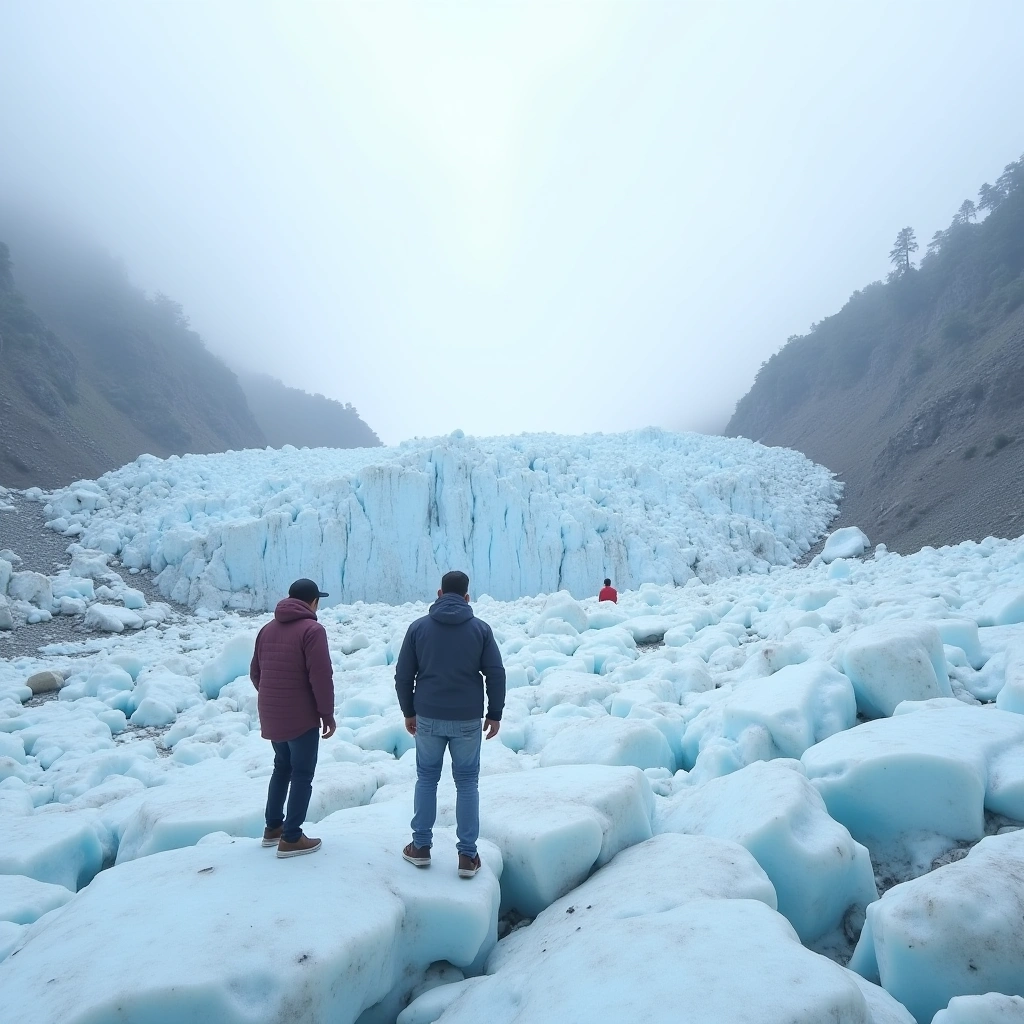
A massive glacier collapse in the Himalayas triggered devastating flash floods in Nepal and Tibet, killing hundreds and highlighting the urgent risks of climate-driven mountain instability. Scientists warn that rapidly melting permafrost and glacial ice are weakening the geological "glue" holding high-altitude rock faces together, making such catastrophic debris flows increasingly likely. This disaster underscores a broader trend where human-caused global warming is destabilizing cryosphere regions, threatening millions of people living downstream in vulnerable mountainous areas.
So, let’s talk about glaciers. You know, those massive blocks of ice that make you feel like you’re living in a winter wonderland? Well, if you thought they were just there for our Instagram photos and to keep polar bears in business, think again! The recent glacier catastrophe in Nepal has a lot more to say about our way of life than we might like to admit.
First off, let’s set the stage. Nepal’s glaciers are melting at an alarming rate, and while it may sound like the plot of a new disaster movie, this is real life. These beautiful ice formations are crucial not just for the stunning views they provide but also for the water supply for millions of people. When they melt, they can trigger catastrophic events like landslides and flash floods. Cue the ominous music!
Now, you might be sitting there sipping your coffee, thinking, “This doesn’t affect me!” Well, my friend, you might want to reconsider that attitude. The implications of these glacier disasters reach far beyond the borders of Nepal. The Himalayan glaciers feed rivers that flow into several countries, including India and Bangladesh. So, if you ever thought the phrase ‘what happens in Nepal stays in Nepal’ was true, you might want to think again. It’s more like ‘what happens in Nepal can lead to a whole lot of chaos for everyone else.’
One of the terrifying lessons from this is that climate change is not just a distant threat; it’s a current reality. The glaciers are melting faster than a popsicle on a hot summer day, and this accelerated melting is a direct result of rising global temperatures. If that doesn’t send a chill down your spine, I don’t know what will.
You might wonder, how do we get from melting glaciers to our daily lives? Well, let’s connect the dots. The water that these glaciers provide is essential for agriculture, drinking, and sanitation. With their disappearance, we could see water shortages and food insecurity. Imagine a world where you can’t even trust your water bottle to be filled with anything other than empty promises. Sounds delightful, right?
And let’s not forget about the economic impact. Countries that rely on these water sources for agriculture and tourism could face significant setbacks. If you think your favorite trekking routes in Nepal will still be Instagram-worthy after a few more years of climate neglect, you might want to recalibrate your expectations.
So what can we do? Well, it’s time to stop scrolling past climate change articles as if they were the latest celebrity gossip. It’s time to take action. Whether it’s reducing our carbon footprint, supporting sustainable practices, or simply being more conscious about our consumption, every little bit helps. Yes, even that reusable coffee cup you insist on bringing everywhere counts!
In conclusion, the glacier catastrophe in Nepal is more than just a headline; it’s a wake-up call for all of us. The lessons we learn from this disaster are not just about glaciers but about our very existence and how we treat our planet. So next time you think about climate change, remember that it’s not just about the ice — it’s about our future. Let’s make sure it’s a bright one, not a melted one.
Inspired by: “Why Nepal Glacier Catastrophe Has Terrifying Lessons For Our Way Of Life” (r/climatechange)