Battery storage capacity surged by over 305% in 2025, reaching 40.6 megawatt-hours as businesses and households seek to insulate themselves from a grid that can wheel no more than 5,000 megawatts at any given time, despite installed generation …
When we think about renewable energy, we often picture sprawling solar farms or wind turbines dancing in the breeze. But what if I told you that Nigeria’s solar expansion is happening at lightning speed, yet the official statistics barely scratch the surface? Yep, it seems like we’re in a classic case of ‘the left hand doesn’t know what the right hand is doing’—or in this case, the government doesn’t know what the people are doing.
So, let’s dive into why this is happening and what it means for Nigeria and the broader African continent. Spoiler alert: it’s a lot more exciting than it sounds!
The Numbers Game
According to the latest reports—those that are actually acknowledged by the officials—Nigeria is making strides in solar energy. But here’s the kicker: the rapid growth of distributed solar systems, like those snazzy rooftop panels that you might see on houses, is largely absent from the official data. It’s almost as if these statistics are playing hide and seek, and they’re really good at it!
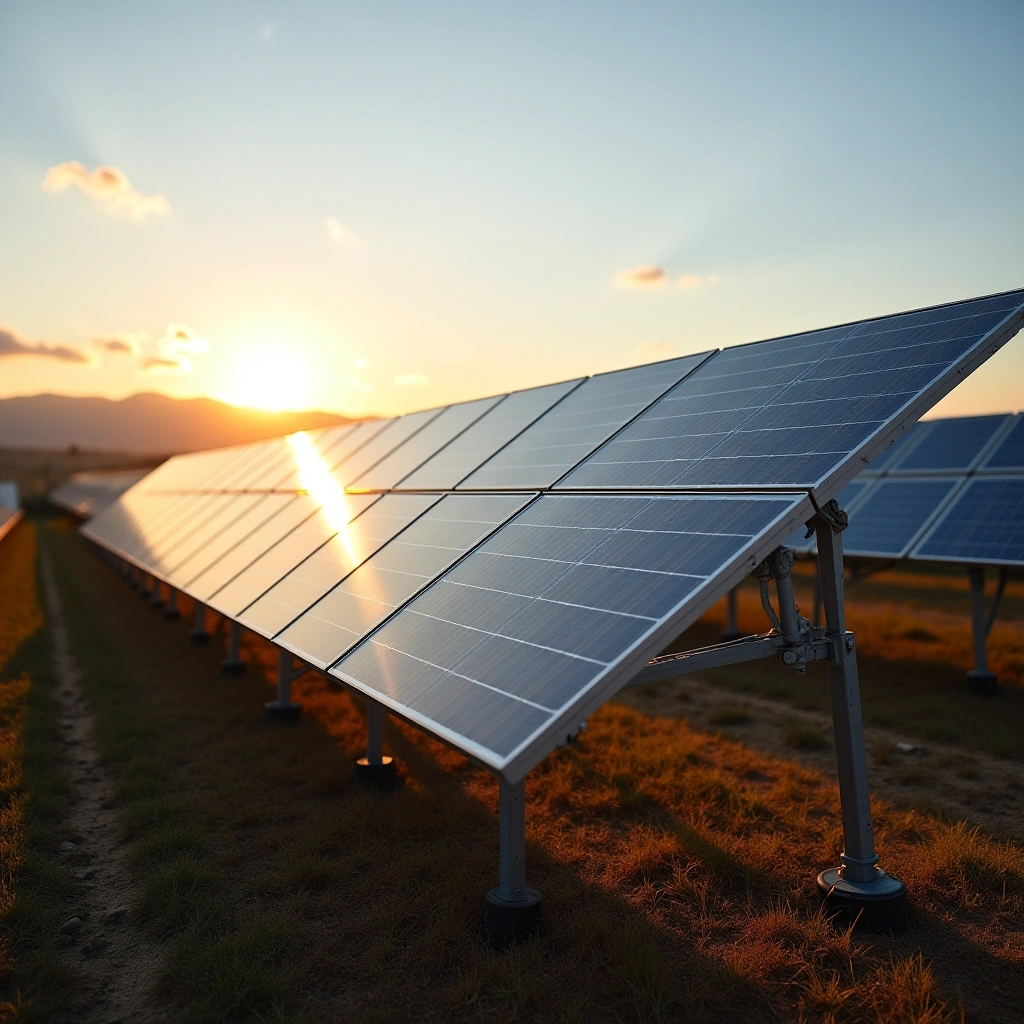
Distributed solar is basically solar energy generated on a smaller scale, often by homeowners or small businesses. Think of it as the little engine that could, quietly chugging along while the big, flashy solar farms get all the attention. These smaller systems are popping up like mushrooms after a rainstorm, but because they’re not centrally monitored, nobody really knows how many there are or how much energy they’re producing.
Why is This Happening?
You might be wondering why such a significant portion of solar energy production is flying under the radar. Well, there are a few reasons:
1. Lack of Infrastructure: In many parts of Nigeria, the infrastructure to monitor and record solar energy production simply doesn’t exist. It’s like trying to count the stars in the sky with a broken telescope—good luck with that!
2. Government Bureaucracy: Let’s face it, government processes can be slower than a snail on a leisurely stroll. By the time they catch up with the rapid growth in solar installations, the numbers might already be outdated.
3. Informal Market: A lot of solar installations are happening in the informal sector. Individuals are buying panels and setting them up without any official tracking. It’s like a DIY solar revolution, and who doesn’t love a good DIY project?
The Impact of This Solar Surge
So, what does this mean for Nigeria and the continent at large? Well, for starters, it means that the potential for renewable energy in Africa is way more promising than current data suggests. If we consider the hidden solar installations, Nigeria could be on the verge of a renewable energy breakthrough that could light up the entire region.
Moreover, this boom in distributed solar energy can lead to job creation, reduced reliance on fossil fuels, and, most importantly, a cleaner environment. Just imagine a future where Nigeria isn’t just known for its oil reserves but also as a leader in renewable energy. How’s that for a plot twist?
Conclusion
So, the next time someone tells you that Nigeria is lagging in solar energy, you can confidently say, “Hold on there, friend! The numbers are just a tad misleading.” The real story is one of innovation, resilience, and a grassroots movement towards cleaner energy.
Let’s hope that in the future, we’ll get better data that reflects this incredible growth. Until then, keep your solar panels shining and your spirits high—because Nigeria’s solar expansion is a bright spot in the fight against climate change, even if the official statistics are still in the dark.
And who knows? Maybe someday, we’ll have enough data to make the solar boom official, and then we can all throw a party to celebrate—complete with solar-powered disco balls, of course!
Inspired by: “Nigeria’s solar expansion not captured in official data – Africa’s solar expansion is happening fas…” (r/climatechange)