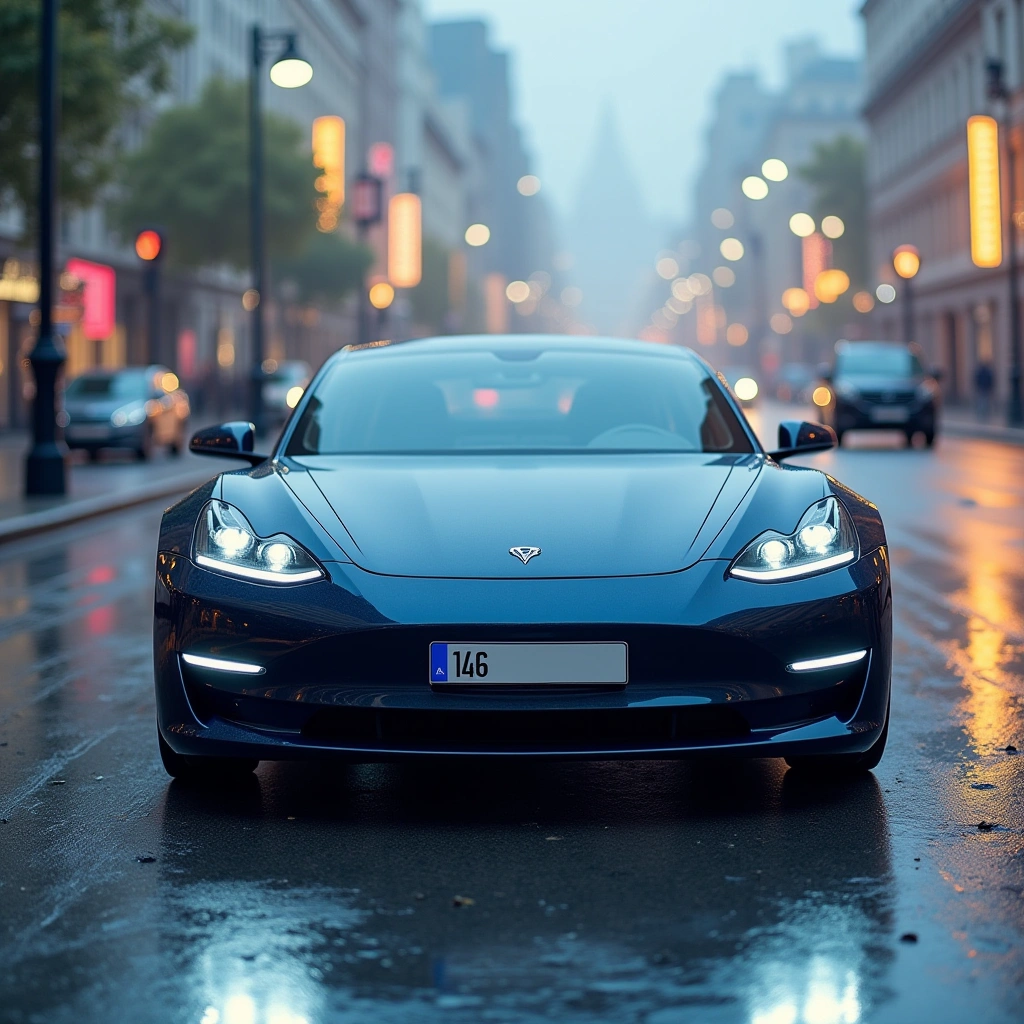
Unlike starter batteries used in gasoline vehicles, electric vehicle drivetrain batteries are designed to last the lifetime of the vehicle and recent data shows they have very low failure rates.
If you’ve ever been curious about electric vehicles (EVs) and their battery life, then you might be in for a delightful surprise. A recent real-world study from Sweden took a deep dive into the durability of used EVs and found something that might just make you do a double take—these vehicles retained between 91% and 97% of their battery capacity after a whopping 100,000 kilometers (or about 62,000 miles for those of us who haven’t fully embraced the metric system). Yes, you heard that right! It seems like EVs are not just a fad; they’re actually holding up like a champ.
Now, let’s break that down a bit. First off, 100,000 kilometers is no small feat. For context, that’s roughly the distance from New York City to Los Angeles and back—twice! So, if these EVs can keep their battery capacity after that kind of mileage, it’s fair to say they’re doing something right.
The study analyzed 10,000 used EVs, which is quite a sizable sample. This isn’t just a small group of hipster drivers in their retrofitted Nissan Leafs; we’re talking about a diverse range of electric vehicles zipping around Sweden. This kind of data is crucial because it challenges the common misconception that EV batteries degrade quickly and leave you stranded like a sad puppy on the side of the road.
But why should you care? Well, for starters, if you’re considering making the switch to electric, this study might just tip the scales in favor of a greener choice. It’s no secret that EVs are generally better for the environment, but if they can also hold their juice longer than your average smartphone, then that’s a win-win situation. Imagine not having to replace your car battery every few years—that’s almost as satisfying as finding an extra fry at the bottom of the bag.
Now, let’s get a little nerdy for a moment. What does this retention of battery capacity mean for the average consumer? It means that when you buy a used EV, you’re not just getting a car that’s been through the wringer; you’re getting a vehicle that’s still got plenty of life in it. This could potentially save you a boatload of cash in the long run. Plus, you’ll be doing your part to save the planet, which is a nice bonus when you think about it.
Of course, it’s not all sunshine and rainbows. While this study is promising, it’s essential to consider other factors like charging infrastructure, the environmental impact of battery production, and how you plan to charge your vehicle at home. But let’s not rain on the parade just yet! The takeaway here is that EVs are proving to be more reliable than many skeptics thought.
So, if you’re on the fence about going electric, maybe it’s time to hop off that fence and take a ride in one of these battery-retaining wonders. Who knows? You might just find that going green isn’t as daunting as it seems. Plus, you’ll have a fun conversation starter at your next dinner party—”Did you know my EV still has 95% battery capacity after 100,000 kilometers?” Just be prepared for the eye rolls from your friends who are still driving gas guzzlers.
In conclusion, the Swedish study sheds some much-needed light on the longevity of EV batteries. They’re not just a passing trend; they’re here to stay. So, if you’ve been thinking about making the switch, it looks like you can do so without the fear of your car turning into a glorified paperweight after a few years. And that, my friends, is something to celebrate!
Inspired by: “Swedish real-world study of 10,000 used EVs found they retained between 91% and 97% battery capacit…” (r/climatechange)