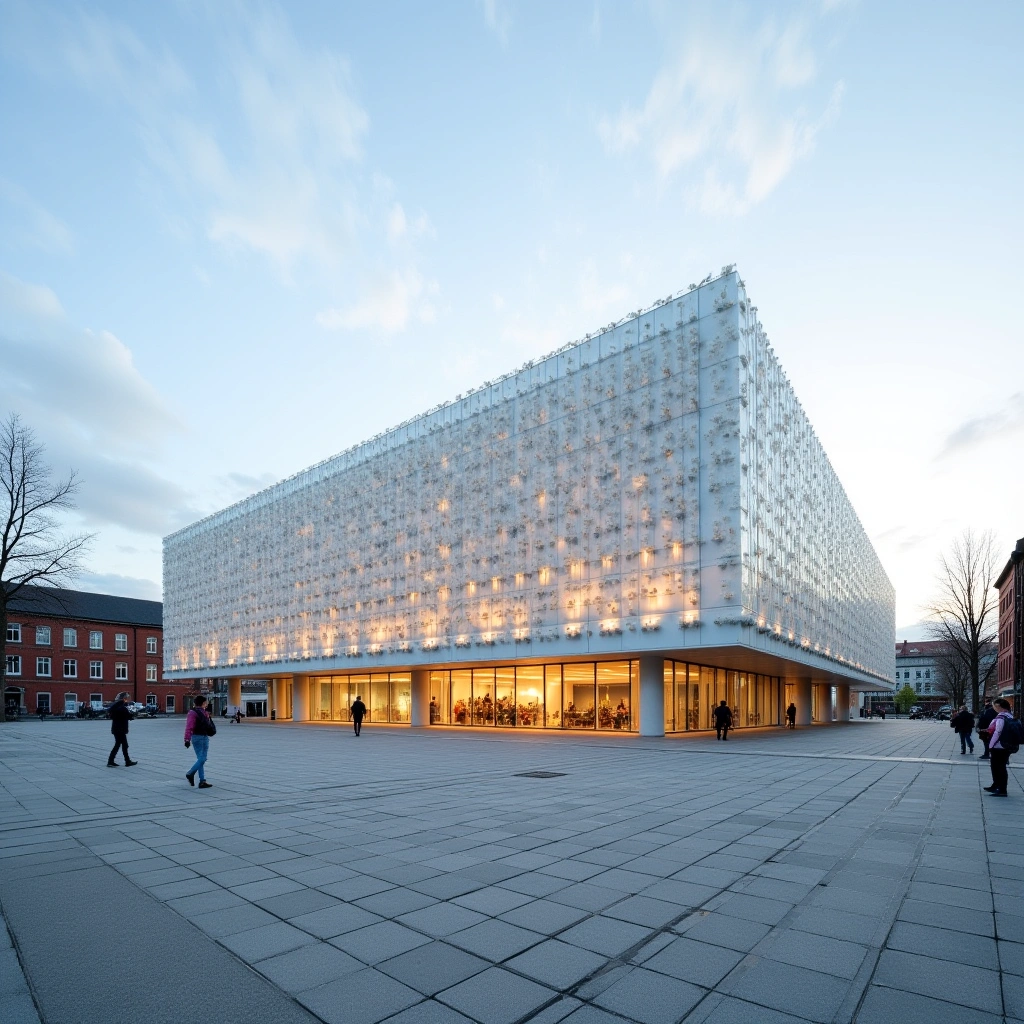
Freiburg City Hall stands as the world’s first public building to produce more energy than it consumes, showcasing cutting‑edge design and a steadfast commitment to sustainable urban living .
Have you ever walked into a building and thought, “Wow, this place is so energy-efficient, it must be generating its own power!”? Well, if you find yourself in Freiburg, Germany, you might just experience that feeling at the city hall. Yes, you heard that right! Freiburg’s city hall isn’t just a place to file paperwork or complain about parking tickets; it’s a shining example of what a surplus-energy building looks like.
So, what does it mean to be a surplus-energy building? In simple terms, it’s like that friend who always brings more snacks to the party than they eat. Freiburg’s city hall generates more energy than it consumes for heating, cooling, ventilation, and lighting. It’s the overachiever of municipal buildings, and frankly, we could all use a little of that energy in our lives.
Now, let’s dive into the nitty-gritty of how this architectural marvel pulls off its magic trick. First up, thermal insulation and heat pumps. Think of thermal insulation as a cozy blanket for the building. It keeps the heat in during those chilly German winters and keeps the cool air in when summer rolls around. Those heat pumps? They’re the unsung heroes that help transfer heat from one place to another, making sure the building doesn’t turn into an icebox or a sauna. Who knew that keeping a building comfortable could be so complicated?
But it doesn’t stop there! The pièce de résistance of Freiburg’s city hall is its solar panels. Yes, those shiny rectangles on the roof and sun-exposed façades aren’t just for show. They actually supply electricity and contribute to shading, which is a fancy way of saying they keep the building cooler while providing power. It’s like having your cake and eating it too, but instead of cake, it’s solar energy—and let’s be honest, that’s way healthier.
Now, you might be wondering, “Why should I care about a city hall in Germany?” Well, my friend, Freiburg is setting a precedent for sustainable architecture and energy use that could inspire cities around the world. In a time when climate change is knocking on our doors (and sometimes barging in), we need more examples of how to do things right. Freiburg’s city hall is like that friend who shows up to the potluck with a delicious, healthy dish while the rest of us bring chips and dip.
Moreover, this innovative building is part of a larger movement towards sustainability that cities everywhere are beginning to embrace. If Freiburg can do it, then surely other cities can follow suit. Imagine a world where every city hall is a surplus-energy building—no more wasting energy or relying solely on fossil fuels! It’s a dream worth dreaming, and Freiburg is already living it.
In conclusion, Freiburg’s city hall isn’t just a place to conduct city business; it’s a shining example of what the future of architecture could and should look like. With its surplus energy capabilities, thermal insulation, heat pumps, and solar panels, it stands as a testament to the power of sustainable design. So next time you’re in Freiburg, take a moment to appreciate this energy-generating wonder. And who knows? Maybe it’ll inspire you to start generating a little more energy in your own life—like finally tackling that pile of laundry or, I don’t know, going for a jog. But let’s not get too crazy here!
Inspired by: “Freiburg’s city hall operates as a surplus‑energy building, generating more energy than it requires…” (r/climatechange)