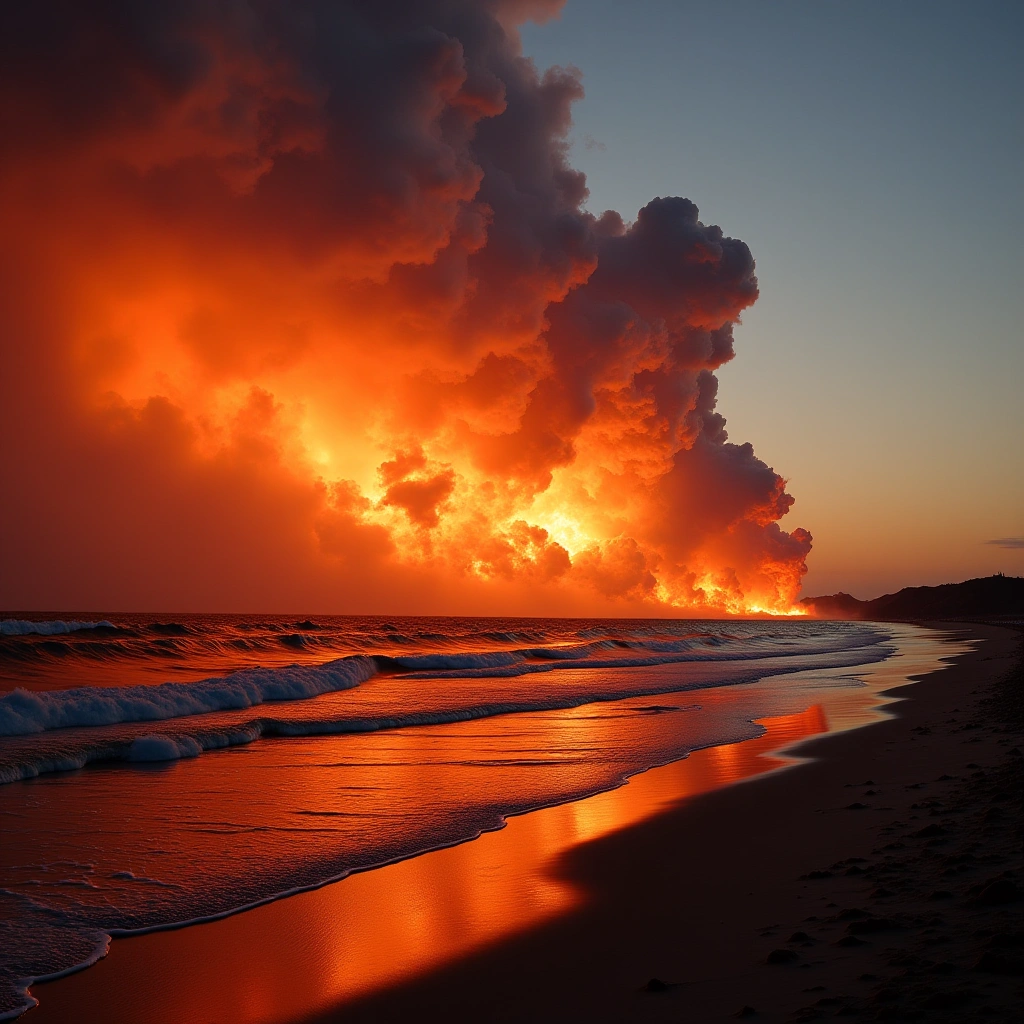
A potentially record-strength El Niño could intensify global heat and regional extremes, including drought, wildfire, heavy rainfall, and flooding . Forecasts indicate a peak later this year and a delayed global temperature effect that could …
If you thought El Niño was just a fancy name for a warm ocean current that we occasionally blame for our weird weather, think again! Recent studies have shown that climate change is not just giving El Niño a little boost; it’s practically supercharging it. And the coral records are here to spill the tea on how this phenomenon is unfolding.
First off, let’s break down what El Niño is, for those who might not be as familiar. El Niño is a climate pattern that occurs in the Pacific Ocean, characterized by warmer-than-average sea surface temperatures. This phenomenon can lead to various weather disruptions around the globe, including droughts, floods, and that awkwardly hot Christmas dinner you had last year.
Now, you might be wondering, how does climate change fit into this tropical drama? Well, as our planet continues to warm—thanks to greenhouse gas emissions and our collective love for fossil fuels—these El Niño events are becoming more intense and frequent. It’s like putting a turbocharger on an already fast car; things are about to get wild.
Coral reefs, those beautiful underwater structures that are home to countless marine species, are the canaries in the coal mine when it comes to climate change. They’re sensitive to temperature changes, and when things heat up, they tend to bleach and die off. Recent coral records have shown that during strong El Niño years, we see a significant increase in coral bleaching events. In simpler terms, when El Niño kicks it up a notch, corals take a hit, and our oceans start looking more like a sad, bleached-out version of Finding Nemo.
The coral records indicate a clear pattern: as the intensity of El Niño increases, so does the impact on coral reefs. This is not just a coincidence; it’s a direct consequence of rising ocean temperatures due to climate change. So, while you might think of El Niño as just another weather pattern, it’s actually a crucial player in the ongoing saga of environmental change.
Now, before you start throwing your hands up in despair, let’s talk about what we can do. It might feel overwhelming, but awareness is the first step. Understanding how climate change is affecting natural phenomena like El Niño can help us push for better policies and practices to mitigate its effects. Plus, it gives us something to talk about at awkward family gatherings—because nothing says ‘bonding’ like discussing the fate of coral reefs over turkey.
In conclusion, the next time you hear about El Niño, remember that it’s not just a weather pattern; it’s a symptom of a much larger issue. Climate change is supercharging El Niño, and the ramifications are profound. So, let’s keep the conversation going, because if we don’t, we might end up with a planet that’s not just hot but downright inhospitable. And no one wants to live in a world where the only thing thriving is the heat.
Stay informed, stay engaged, and let’s aim for a future where our oceans—and our coral reefs—can thrive rather than just survive. After all, they deserve better than being collateral damage in our climate crisis.
Inspired by: “Climate change is supercharging El Niños, coral records show” (r/climatechange)