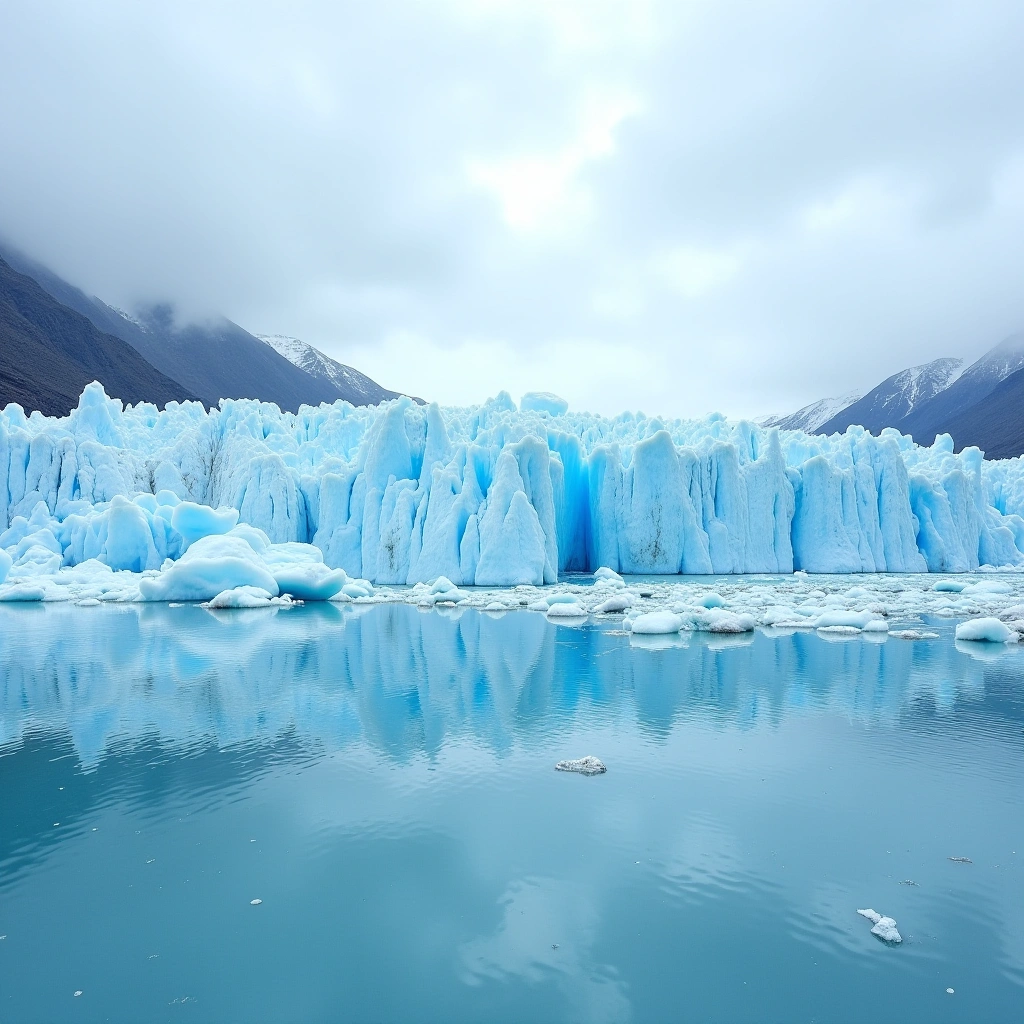
Warmer air is thinning most of … so much ice. The melting could have far-reaching consequences for flood risk and for water security for a billion people who rely on meltwater for their survival ….
Hey there, fellow earthlings! Let’s talk about something that’s a tad more serious than your average cat video: climate change and its rather alarming impact on the majestic Himalayas. I mean, who doesn’t love a good mountain range, right? But it seems that our frosty friends up in the Himalayas are having a bit of an existential crisis, and it’s all thanks to good ol’ climate change.
According to some riveting research from ICIMOD (that’s the International Centre for Integrated Mountain Development, in case you were wondering), glaciers across the Hindu Kush Himalaya region have lost about 12% of their total area between 1990 and 2020. And if that sounds alarming, buckle up because the ice-loss rates have doubled since 2000. Yes, you heard that right. It’s like the glaciers decided to take a speedy exit, and honestly, who can blame them when the world is heating up like a sauna?
Now, if you think that’s bad, consider this: some monitored glaciers have lost up to 27 meters of ice thickness since 1975. That’s like losing a whole ice rink’s worth of ice! Imagine trying to skate on that. Spoiler alert: you’d probably end up in the water.
But wait, there’s more! As these glaciers melt away, they’re not just turning into adorable little streams; they’re also creating glacial lakes. And while you might think lakes are all about tranquility and paddle boats, think again. The melting ice is increasing the formation and expansion of these lakes, which is raising the stakes for something called Glacial Lake Outburst Floods (GLOFs). Sounds fancy, right? But it’s just a euphemism for a really bad day when a lake decides to unleash its fury all at once. And guess what? Around 200 glacial lakes in the wider Hindu Kush Himalayan region are considered downright dangerous.
So, as if we didn’t have enough to worry about, we’re also facing increased risks of flash floods and landslides. You know, just your typical Tuesday in the Himalayas. Extreme rainfall, unstable slopes, and thawing ice are all contributing factors that make these events more likely. And scientists, bless their hearts, are projecting that we can expect even more floods and landslides in the coming decades. Talk about a party we didn’t RSVP for!
In light of all this, it’s essential to recognize that these aren’t just statistics; they represent real changes that affect the environment, local communities, and even global weather patterns. So, while you might be enjoying your iced coffee in a climate-controlled café, remember that the glaciers are not having the same luxury. They’re melting away, and with them, they’re taking a piece of the planet’s stability.
So what can we do? Well, for starters, we can all try to be a little more eco-friendly. Maybe skip that extra plastic straw or consider taking the bus instead of driving solo. Every little bit helps, and who knows? Maybe we can help the Himalayas keep their cool—or at least not turn into a giant swimming pool.
In conclusion, the melting glaciers of the Himalayas are a stark reminder that climate change is real, and it’s happening now. So let’s do our part to keep our planet—and its ice caps—intact. Because honestly, who wants to live in a world where the Himalayas are just a memory? Not me, and I bet you don’t either!
Inspired by: “How Climate Change impacting glaciers to melt in the Himalayas….” (r/climatechange)