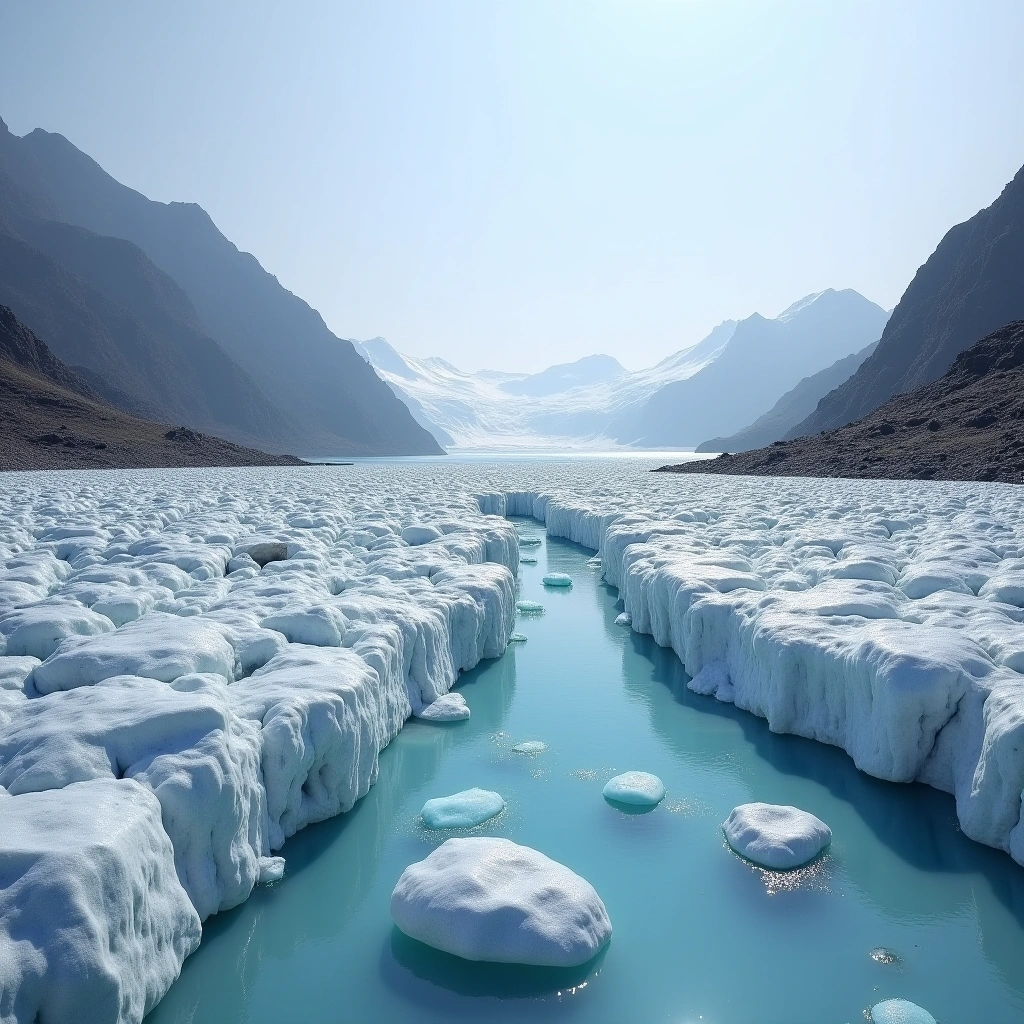
The melting of glaciers in Pakistan has several adverse effects on the country’s economy, including water scarcity, reduced agricultural productivity, and increased natural disasters .
So, let’s talk about the fascinating (and slightly terrifying) connection between Australian emissions and melting glaciers in Pakistan. Yes, you heard that right. It’s not just a random fact to throw out at parties to make people uncomfortable; it’s a real issue that’s been brought to light by none other than Australian Senator Mehreen Faruqi.
Now, before you roll your eyes and think, “Oh great, another politician waving the climate change banner,” let’s break down what she’s actually saying. Faruqi has made a compelling argument that the emissions produced by Australia are having a direct impact on glaciers halfway across the world. And if you thought your carbon footprint was only affecting your local weather, think again!
Here’s the scoop: Glaciers in Pakistan, particularly in the northern areas like Gilgit-Baltistan, are melting at an alarming rate due to rising global temperatures. This isn’t just a minor inconvenience for the locals who might want to enjoy a nice glacier-view picnic; it’s a serious issue that affects water supply, agriculture, and even the overall economy of the region. When glaciers melt, they don’t just disappear into thin air. They contribute to rising sea levels and can lead to devastating floods. Sounds like a fun time, right?
Now, let’s connect the dots. Australia, while it may be far removed from the towering peaks of the Karakoram range, is one of the highest per capita greenhouse gas emitters in the world. So, when Faruqi links emissions from Down Under to the glaciers in Pakistan, she’s not just throwing out a dramatic statement for effect; she’s pointing out a significant global issue. It’s a classic case of ‘what happens in Australia doesn’t stay in Australia.’
But why should Australians care about glaciers in Pakistan? Well, aside from the obvious moral obligation to care about our fellow humans, climate change is a global problem. If we don’t start taking collective responsibility, we’re all going to be in a world of hurt—literally. Rising sea levels could affect Australian coastal cities, and erratic weather patterns could bring about some rather unpleasant surprises to your weekend barbecues. And nobody wants a soggy sausage sizzle.
So, as we sit in our comfortable homes, sipping our lattes (or whatever it is you fancy), let’s remember that our choices have global consequences. Maybe it’s time to think about how we can reduce our own emissions. Not just for the sake of saving some glaciers in Pakistan, but also for keeping our own backyard from becoming a climate disaster zone.
In conclusion, Mehreen Faruqi’s comments are a wake-up call for all of us. It’s a reminder that climate change isn’t just a buzzword; it’s a reality that’s affecting people’s lives right now. So, let’s get to work on those emissions, shall we? Because if we don’t, it won’t just be glaciers in Pakistan that are in trouble—it’ll be us, too. And trust me, no one wants to be the reason for the next big climate crisis. Let’s do better, Australia!
Inspired by: “Mehreen Faruqi Links Australian Emissions Directly to Melting Glaciers in Pakistan” (r/climatechange)