The advancing ice blocked a river that flowed from an adjacent glacier, creating a new lake. “ Once the water pressure is high enough, it lifts the glacier ice and then drains immediately, like a flash flood ,” says Bolch.
If you’ve been following the news lately, you might have noticed that the Himalayas are not just the tallest mountains in the world, but they are also becoming a hotspot for nature’s wildest waterworks show. Yes, I’m talking about flash floods, and no, it’s not the latest water park attraction. These floods are serious business, and they are being fueled by none other than our melting ice glaciers.
Now, you might be wondering why we should care about glaciers melting. After all, they’re just big ol’ blocks of ice, right? Wrong! These glaciers are like the world’s giant water tanks, slowly releasing water into rivers and streams that people rely on for drinking, farming, and, you know, basic survival. But as the climate warms—thanks, climate change—we’re seeing these ice giants lose their cool (pun absolutely intended) faster than you can say “global warming.”
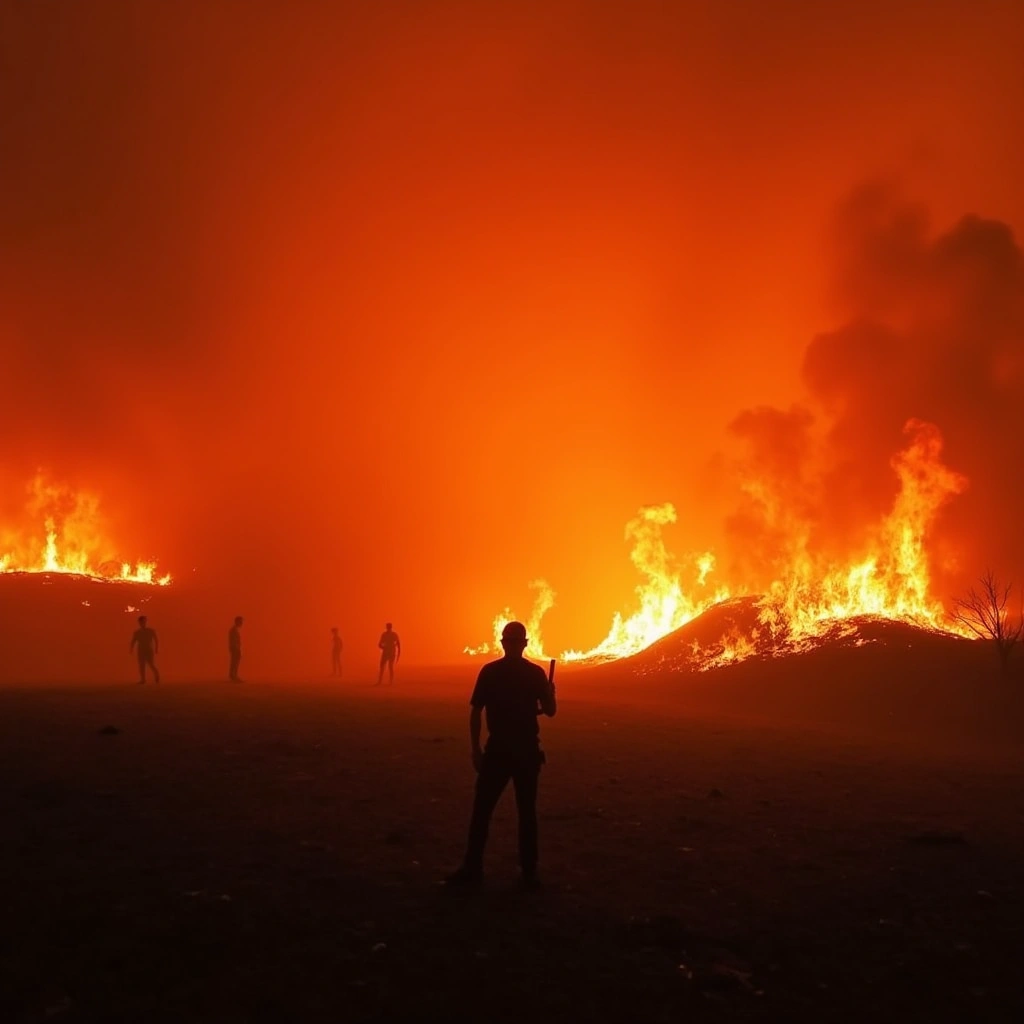
Recent reports highlight that Nepal has witnessed floods of unprecedented magnitude, and let me tell you, this is not just a minor inconvenience for the locals. Flash floods can sweep away homes, infrastructure, and livelihoods in a matter of minutes. Imagine waking up to what looks like a scene from a disaster movie, but without the comforting presence of a heroic lead to save the day. Spoiler alert: it’s not that cinematic in real life.
The science here is pretty straightforward. As temperatures rise, glaciers melt at an alarming rate. This excess water doesn’t just sit around looking pretty; it flows downhill, often causing rivers to swell and overflow. In the Himalayas, where the steep terrain can turn a gentle stream into a raging torrent in seconds, the situation becomes even more precarious. With every melted glacier, the risk of flash floods increases, leading to catastrophic events that can uproot entire communities.
But wait, there’s more! The melting glaciers also mean that there’s less ice to reflect sunlight, which could potentially lead to even warmer temperatures. It’s like a vicious cycle that even the best roller coasters would envy. And let’s be honest; nobody wants to ride that ride.
So, what can we do about it? Well, while we can’t exactly rebuild glaciers (if only we had the technology to freeze things on command), we can take steps to mitigate climate change. Reducing our carbon footprint, supporting sustainable practices, and advocating for climate action are all ways we can help curb this ongoing crisis. Plus, it gives us something to do other than binge-watching shows about the apocalypse, which, let’s face it, is becoming a little too relatable.
In conclusion, the melting glaciers of the Himalayas are not just an environmental issue; they’re a human issue. The flash floods they cause can devastate lives and communities, and it’s high time we start paying attention. So, the next time you hear about glaciers melting, remember that it’s not just a sad story—it’s a call to action. Let’s work together to ensure that future generations don’t have to deal with the aftermath of our inaction. Because really, who wants to explain to their kids why the ice caps are gone? No pressure, right?
Inspired by: “Melting ice glaciers causing crazy flash floods in Himalayas” (r/climatechange)