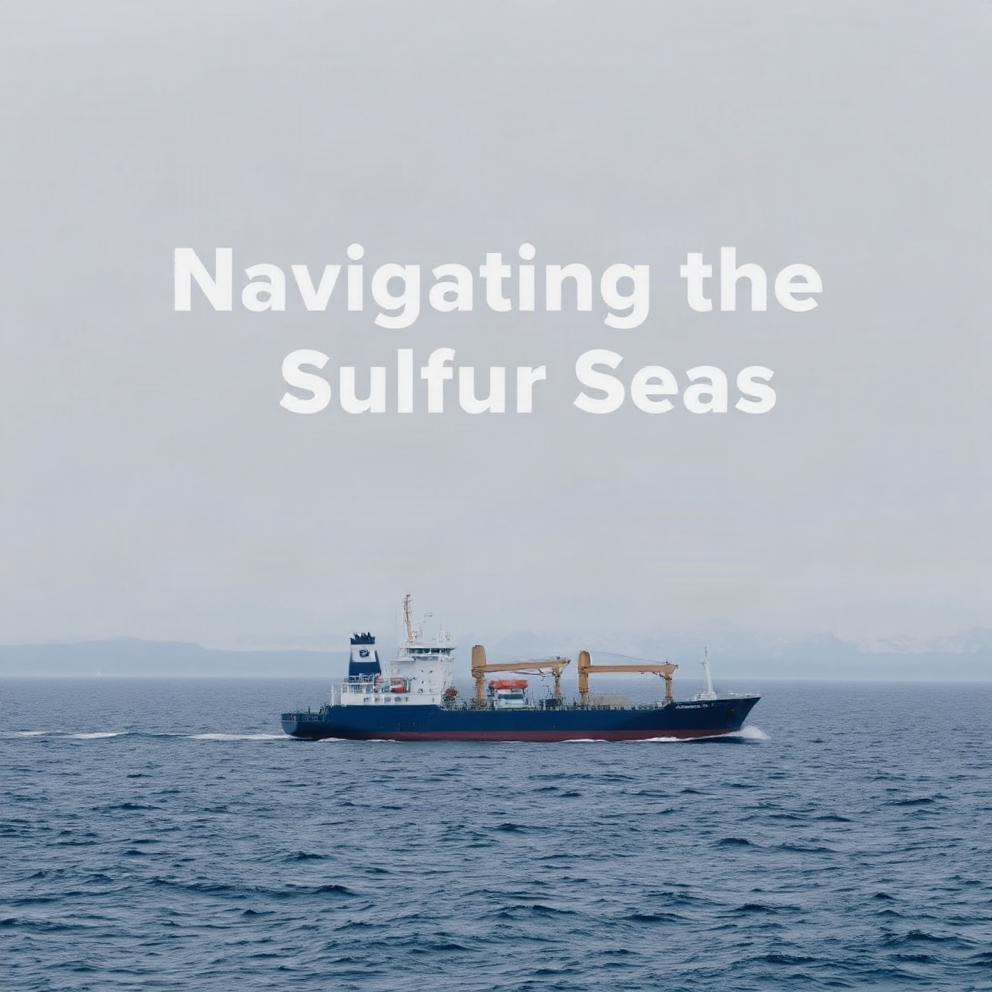
But lowering the sulphur content of marine fuel has weakened the masking effect, effectively giving a boost to warming . Some researchers have proposed that the drop in SO2 as a result of the IMO’s clean air regulations could be behind a recent …
Ahoy there, climate enthusiasts! Today, we’re diving into a topic that’s been swirling around like a ship in a storm: the impact of shipping sulfur reduction on global temperatures. So grab your life jackets and let’s set sail!
First off, let’s clarify what we’re talking about. The shipping industry has been making waves—pun intended—by switching from high-sulfur bunker fuels to low or no-sulfur marine fuels. This change was largely a response to stricter environmental regulations aimed at reducing air pollution and its harmful effects on our health and the planet. Sounds great, right? Less sulfur means cleaner air and a more breathable atmosphere. But, as with most things in life, there’s a catch.
Now, you might be wondering, how does this relate to the recent spike in European temperatures? Well, the switch to low-sulfur fuels has led to a decrease in sulfur dioxide (SO2) emissions. And here’s where it gets interesting: sulfur dioxide helps form clouds. Yes, those fluffy white things that block the sun and keep us from turning into human puddles. With fewer clouds, there’s less reflection of sunlight back into space, which can lead to a rise in temperatures. It’s like turning off the air conditioning in July—things are bound to heat up!
So, is the elevated temperature in Europe a direct result of this switch? While it’s tempting to connect the dots, climate science is a bit more complex than a simple cause-and-effect scenario. Sure, the reduction in sulfur emissions could be contributing to the warming trend, but it’s also important to consider other factors at play, like greenhouse gas emissions, natural climate variability, and yes, that pesky little thing called climate change.
You see, climate is not just a one-note song. It’s more like a symphony where many instruments are playing at once. The reduction of sulfur emissions is one of those instruments, but it’s not the only one. The overall warming of the planet is influenced by a myriad of factors, including CO2 levels, deforestation, and even volcanic activity. So, while we can’t say that the switch to low-sulfur fuels is solely responsible for the rising temperatures, it certainly adds another layer to the complex climate puzzle.
Now, let’s address the elephant in the room: will things even out? Ah, the age-old question. Theoretically, reducing sulfur emissions should contribute to less air pollution and a healthier environment in the long run. However, the immediate effects might include more warming due to fewer clouds. It’s like trying to lose weight by eating fewer donuts but then discovering that you’ve also stopped exercising. You might see some initial changes, but the overall outcome could still be a bit wobbly.
In conclusion, the switch to low-sulfur marine fuels is a step in the right direction for cleaner air, but it’s a complex journey. As we navigate these turbulent waters, it’s crucial to consider all factors and not oversimplify the situation. Climate change is like a jigsaw puzzle where every piece matters, and while the shipping industry’s efforts are commendable, they are just one piece of a much larger picture.
So, what’s the takeaway? Let’s keep pushing for cleaner shipping practices while also addressing other major contributors to climate change. After all, we’re all in this together—unless you’re a climate change denier, in which case, good luck sailing that ship alone! Stay curious, stay informed, and let’s keep the conversation going.
Inspired by: “Shipping Sulfer Reduction” (r/climatechange)