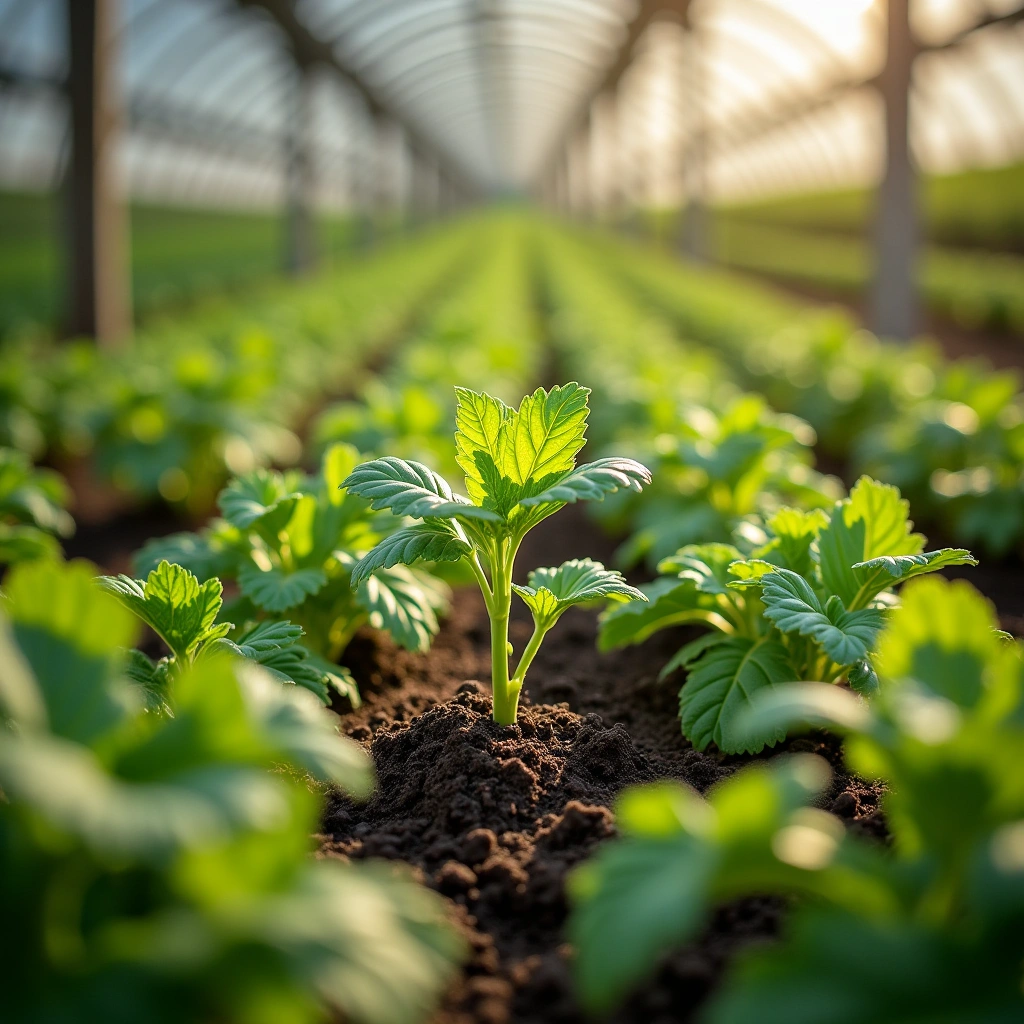
It may be true that “the existing climate of much of the [Desert Southwest] is already marginal to agriculture,4 but innovative farmers have found ways to build “guilds” of mutually adapted crop varieties, livestock breeds, and canopy plantings, which steadily produce food even when placed in the heat of arid subtropical and tropical landscapes. Such guilds exhibit “collective” strategies for alleviating heat stress and making the best possible use of the solar energy that cascades through their guild or micro-community. Most remarkably, farmers from all around the world have developed substantial reservoirs of knowledge about how to place these food crops in contexts where they seldom, if ever, bear the brunt of heat stress.
As the world heats up like a pizza in a too-hot oven, we face a pressing challenge: how to grow enough food for a growing population in increasingly scorching conditions. If you’re feeling a little overwhelmed by the thought of feeding everyone while dodging heatwaves, don’t worry! Let’s dive into some practical strategies that can help us cultivate crops even when Mother Nature seems to be having a meltdown.
1. Embrace Climate-Resilient Crops
First things first, we need to rethink our crop choices. Traditional crops might not cut it in a hotter world. It’s time to befriend climate-resilient varieties that can withstand heat and drought. Think sorghum, millet, and cowpeas—crops that are not only tough but also packed with nutrients. Who knew being resilient could be so nutritious?
2. Master the Art of Water Management
Water is going to be our best friend (and maybe our worst enemy) in this hotter future. Efficient irrigation systems like drip irrigation can help conserve water while ensuring our plants get just the right amount of hydration. Remember, overwatering is like giving your plants a swimming pool party—they might love it at first, but eventually, it just becomes a soggy mess.
3. Get Cozy with Native Plants
Speaking of water management, let’s not forget about native plants that are already adapted to local climates. These green buddies often require less water and are more resistant to pests. They’re like the introverts of the plant world—perfectly happy doing their own thing without the need for constant care and attention.
4. Vertical Farming: Because We’re Not All Farmers
Not everyone has a sprawling farm, and that’s okay! Vertical farming can save space and allow us to grow food right in our own backyards (or on our balconies). With a little creativity, you can turn your apartment into a mini jungle. Who needs a gym membership when you can lift pots and prune plants instead?
5. Community Gardening: Teamwork Makes the Dream Work
Let’s face it: growing food can be a lot of work, so why not share the load? Community gardens are a fantastic way to bring people together while cultivating fresh produce. Plus, you’ll have a built-in excuse to meet your neighbors and avoid awkward small talk at the mailbox. ‘Hey, want to discuss tomatoes instead of the weather?’
6. Educate and Advocate
It’s not just about what we grow, but also about spreading the word. Educating ourselves and others about sustainable practices can make a significant impact. Become the local food guru! Host workshops, write blogs (like this one!), or simply share tips on social media. You never know who might be inspired to join the cause.
7. Use Technology to Your Advantage
In this age of smartphones and smart everything, why not let technology help us out? Apps for monitoring soil moisture, drones for surveying crops, and even AI for predicting weather patterns can all contribute to more efficient farming practices. It’s like having a personal assistant for your garden—just without the awkward conversations.
Final Thoughts
As we navigate the challenges of a hotter world, it’s clear that we need to adapt our food production methods. From choosing the right crops to leveraging technology and community efforts, there are plenty of ways to ensure we can feed more people sustainably. So let’s roll up our sleeves, grab our gardening gloves, and get to work. After all, if we can’t beat the heat, we might as well grow some food to enjoy during those hot summer days!
And remember, if all else fails, there’s always ice cream. Just kidding—let’s stick to growing food, shall we?
Inspired by: “How to grow food for more people in a hotter world” (r/climatechange)