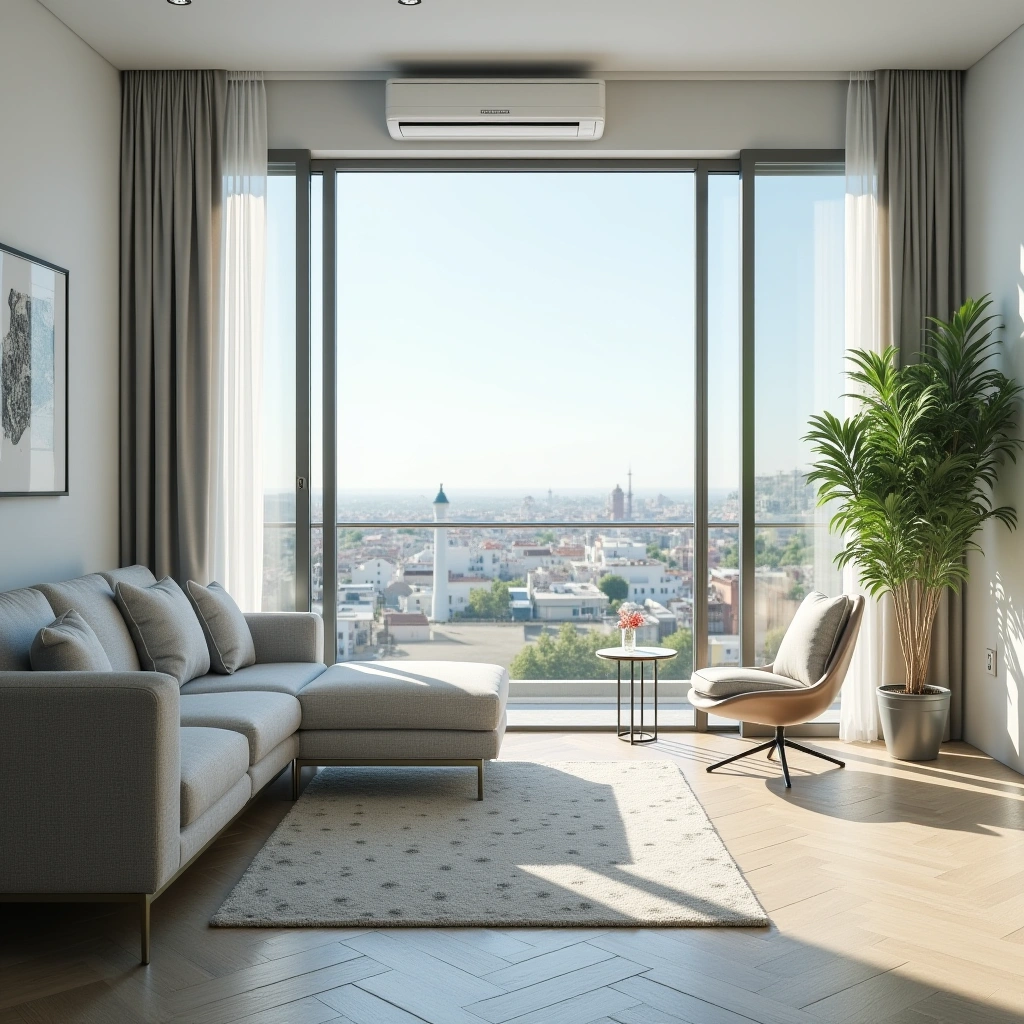
Experts say there are downsides to air conditioning. Expelling hot air into surrounding streets can worsen the urban heat island effect, and the energy use heightens the risk of blackouts .
Ah, summer in Europe! The sun shines, the tourists flock, and temperatures hit record highs, making it feel like a sauna without the soothing benefits of a spa day. As we all sweat through our shirts and curse the heat, a familiar suggestion pops up: “Hey Europe, why not adopt the American way and embrace air conditioning?” Sounds tempting, right? But hold your horses! Before we all jump on the “dripping box” bandwagon, let’s take a moment to consider whether that’s really the best option.
Now, let’s talk about the origins of air conditioning. It all started back in 1902, when a brilliant young engineer named Willis Carrier created his first air conditioning system for a printing plant in Brooklyn. And just like that, a revolution was born. Fast forward over a century, and we have these ubiquitous machines that cool our homes and offices by essentially flipping the refrigerator concept inside out. They take hot air from inside and push it outside, making us feel like we’re sitting in a chilly oasis. Sounds great, right? Well, here’s the kicker: they don’t actually eliminate heat; they just relocate it. So while we’re enjoying our cool living rooms, we’re simultaneously turning our streets into heat traps.
You see, when air conditioning units pump hot air outside, they contribute to rising street temperatures. This phenomenon is like a vicious cycle: hotter streets lead to increased demand for cooling, which in turn generates even more heat. It’s a bit like trying to solve a math problem by just adding more numbers—spoiler alert: it doesn’t work out well in the end.
So, why should Europe think twice before embracing the American AC model? For starters, the continent has a unique opportunity to innovate and adopt more sustainable cooling solutions. Instead of plopping down a bunch of air conditioning units, Europe could invest in smarter designs and technologies that focus on reducing heat rather than just moving it around. Think natural ventilation, green roofs, and building designs that maximize shade and airflow. Plus, most European cities have a rich architectural heritage that could actually benefit from these eco-friendly adaptations, rather than being overshadowed by clunky air conditioning units.
Let’s not forget about the energy consumption factor. Air conditioning units are notorious energy hogs. As temperatures rise and more people crank up their AC, energy demand skyrockets, leading to higher emissions and a greater strain on our already overburdened power grids. Europe, with its ambitious climate goals, should aim for solutions that align with its commitment to reducing carbon footprints, not just copying a system that contributes to the problem.
And here’s a fun fact: in many European countries, especially in the north, air conditioning isn’t even necessary most of the time! With strategic design and proper shading, many buildings can stay cool naturally. So instead of sweating through the summer in an artificially cooled box, why not embrace the fresh air and innovative design that Europe is known for?
In conclusion, while the heat can be unbearable, Europe has the chance to lead by example and find cooler, smarter, and more sustainable ways to beat the heat. So let’s skip the air conditioning arms race and instead focus on solutions that keep us cool without turning our beloved streets into asphalt ovens. After all, who needs a dripping box when you can have a cool breeze and a refreshing drink? Now that sounds like a summer worth celebrating!
Inspired by: “FREE TO READ: Europe can do better than US-style air conditioning” (r/climatechange)