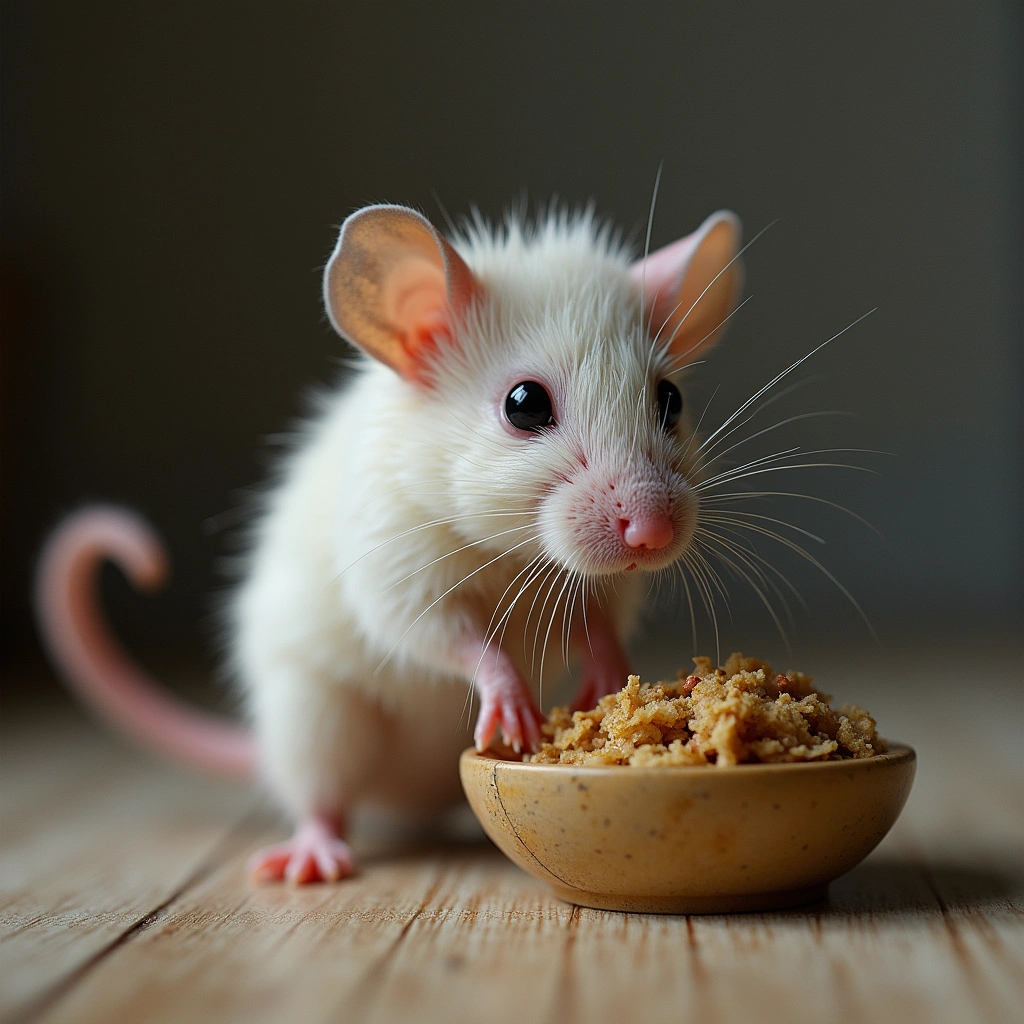
The experiment Mouse Utopia shows comfort without purpose leads to collapse . Viktor Frankl emphasized purpose as key to enduring hardship, not physical comfort. Today's comforts multiply, yet people feel lost without purpose and responsibility.
Picture this: a cozy little paradise where mice can feast on unlimited food, sip fresh water, and snuggle up in warm nests without a single predator lurking in the shadows. Sounds like a dream, right? Well, in 1968, researcher John B. Calhoun decided to turn this dream into reality with his Universe 25 experiment. Spoiler alert: it didn’t end well.
Calhoun, who was no stranger to mouse utopias, had already built 24 of these paradises. But Universe 25 was supposed to be the crème de la crème. Nestled in a lab at the National Institute of Mental Health in Maryland, this metal pen measured about 2.6 meters on each side and was equipped with food hoppers, water bottles, and an impressive 256 nest boxes. I mean, talk about a five-star hotel for mice!
Eight mice moved into this lavish setup in July 1968. Fast forward four years, and the place was eerily quiet — a ghost town where not a single mouse had ever missed a meal. But instead of a thriving community, what Calhoun witnessed was a slow-motion train wreck of social collapse.
Initially, things seemed to be going swimmingly. The mouse population doubled every 55 days, which is pretty much what you’d expect when you throw a bunch of mice into a paradise with no predators. By day 315, the colony had ballooned to around 620 mice. But then, something strange happened. Instead of continuing to multiply, the growth rate hit a wall. By day 560, the mouse population had maxed out at around 2,200 — a figure that was barely half of what the space could accommodate.
So, what went wrong? It turns out, when you give mice everything they could possibly want, they start to lose their minds. Young males, eager to assert their dominance, found that all the good territories were already taken. Instead of fighting for their place, they formed listless mobs in the center of the pen, occasionally erupting into chaotic skirmishes that led nowhere. Meanwhile, female mice, left to rear their litters alone, began to abandon or even attack their pups. It was like a reality show gone terribly wrong — “Survivor: Mouse Edition.”
Now, if you think this couldn’t get any worse, hold on to your cheese. Among the last generation of mice were some that Calhoun dubbed the “beautiful ones.” These were the mice that never fought, never mated, and basically never lived a full mouse life. They had immaculate coats and were free of battle scars, but they also lacked any motivation to engage in social behaviors. Their days were spent eating, drinking, grooming, and sleeping in their cozy nests — sounds luxurious, right? But this was the beginning of the end.
Calhoun observed what he called the “stagnation phase.” The mice had abandoned their social selves, leading to a gradual decline in their population. By day 920, the last recorded conception took place, and after that, it was just a matter of time before the final male met his demise.
All of this wasn’t just an unfortunate turn of events; it was a cautionary tale about the consequences of too much comfort and isolation. Calhoun had previously studied rats in a similar experiment, where he coined the term “behavioral sink” to describe how overcrowding could lead to destructive social behaviors. Universe 25 was a more extreme example of this phenomenon, illustrating that even in paradise, things can go terribly awry.
So, what’s the takeaway from this rodent saga? Perhaps it’s a reminder that a little challenge and social interaction go a long way, even for mice. Too much comfort can lead to stagnation, and isolation can be just as detrimental as overcrowding.
Next time you’re tempted to create your own mouse paradise, remember Universe 25 and let’s just say, moderation is key. After all, even in a world of unlimited snacks and cozy nooks, it turns out that a healthy dose of chaos and socialization is what keeps the wheels (or paws) turning in the right direction.
Inspired by: “The Great Mouse Paradise Experiment: When Too Much Comfort Leads to Chaos”