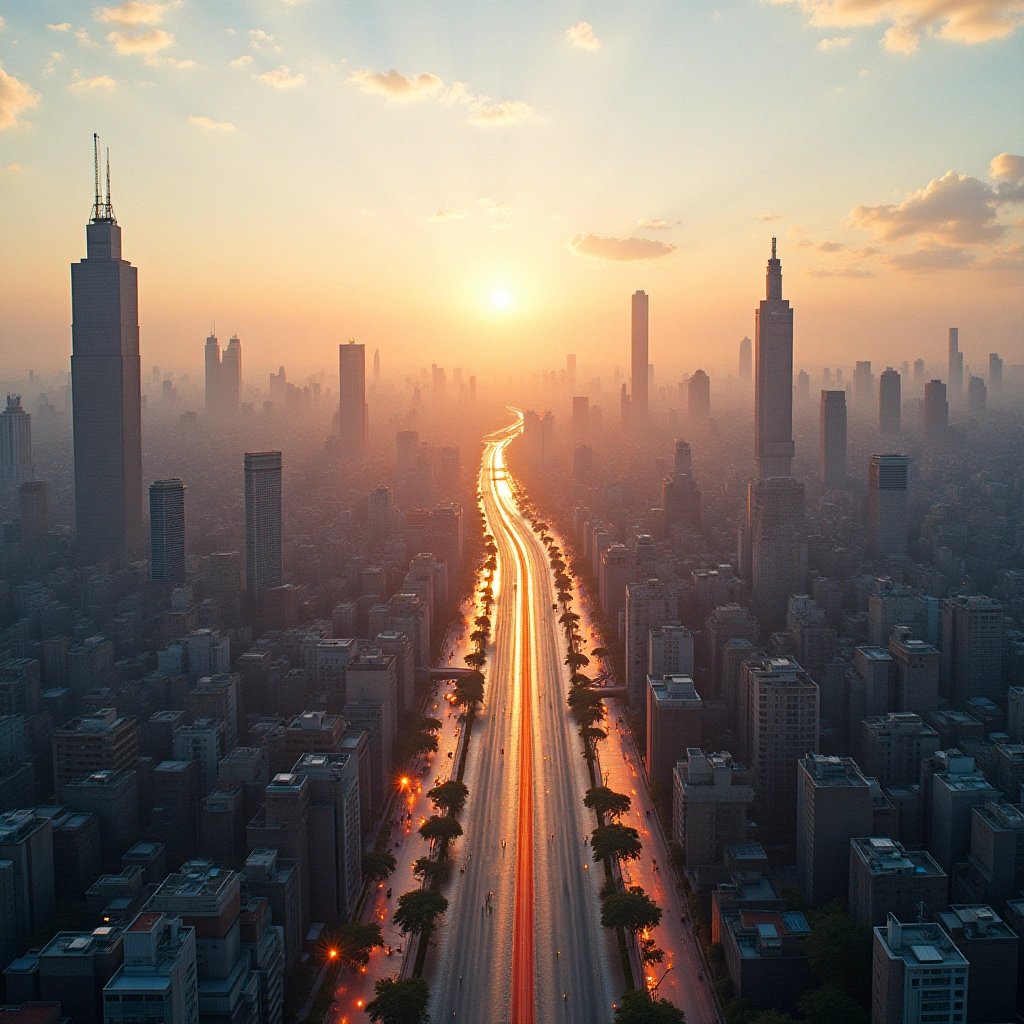
Stanford researchers are working to help cities adapt to extreme weather and keep people and buildings cool during severe heat waves .
As temperatures rise and summers become more unbearable, the race to prepare our cities for extreme heat is on—and it’s not exactly a sprint. More like a slow jog with a few stumbles along the way, while trying to balance a glass of iced tea. But hey, at least we’re trying!
Extreme heat is no longer just a minor inconvenience. It’s a looming crisis that can turn a pleasant day into a sweaty nightmare. According to the National Oceanic and Atmospheric Administration (NOAA), heat-related deaths are on the rise, and we’re not just talking about the occasional sunburn. It’s a full-blown issue that urban planners and city officials can no longer ignore.
So, what are cities doing to combat this fiery foe? Well, they’re rolling up their sleeves and getting to work. Many cities are implementing heat action plans, which sound super official and important—because they are! These plans often include measures like increasing green spaces, installing reflective surfaces, and promoting community cooling centers. Because let’s face it, nothing says ‘we care’ like a good air-conditioned building filled with ice water and maybe a few popsicles.
One of the most effective strategies is increasing urban greenery. Trees, parks, and gardens not only provide shade but also help cool down the surrounding areas. It’s like nature’s own air conditioning system, minus the hefty electricity bill. Some cities are even going so far as to plant trees in neighborhoods that historically lack greenery, because who wouldn’t want to stroll through a shady park instead of a concrete oven?
Then there’s the idea of reflective surfaces. You know those shiny buildings that seem to blind you when the sun hits just right? Well, they might actually be onto something. By using lighter-colored materials for roofs and pavements, cities can reflect sunlight instead of absorbing it. It’s like wearing a white t-shirt on a hot day—less heat absorption means more comfort. Just imagine a city with a whole lot of ‘cool’ roofs!
And let’s not forget about community cooling centers. When the heat turns up, these places become a sanctuary. They’re like the local version of a spa, but instead of a hot stone massage, you get a cool breeze and maybe some free Wi-Fi. Cities are making sure these centers are accessible to everyone, especially vulnerable populations who might not have air conditioning at home. Because nothing says ‘community’ quite like gathering together to escape the heat.
However, it’s not all sunshine and rainbows (pun intended). Funding remains a significant hurdle. Cities are scrambling to find the budget to implement these changes, all while juggling other pressing issues like housing and public transportation. It’s like trying to eat a slice of pizza while riding a unicycle—challenging and a bit messy.
Then there’s the challenge of public awareness. Not everyone is convinced that extreme heat is a problem worth addressing. Some folks might think, “Oh, it’s just summer!” while sipping on their iced coffees. But as temperatures continue to rise, it’s becoming increasingly clear that we need to take this seriously. It’s time to swap out that iced coffee for a reality check.
In conclusion, the race to prepare our cities for extreme heat is ongoing, with urban planners and officials trying to outpace the rising temperatures and the growing challenges. It’s a complex issue that requires creativity, collaboration, and, dare I say, a little bit of humor to truly engage the public. After all, who wouldn’t want to help create a cooler, more comfortable city? So let’s roll up our sleeves, plant some trees, and maybe invest in a few reflective roofs. Because if we can’t beat the heat, we might as well make our cities a little cooler!
Inspired by: “Inside the race to prepare cities for extreme heat” (r/climatechange)