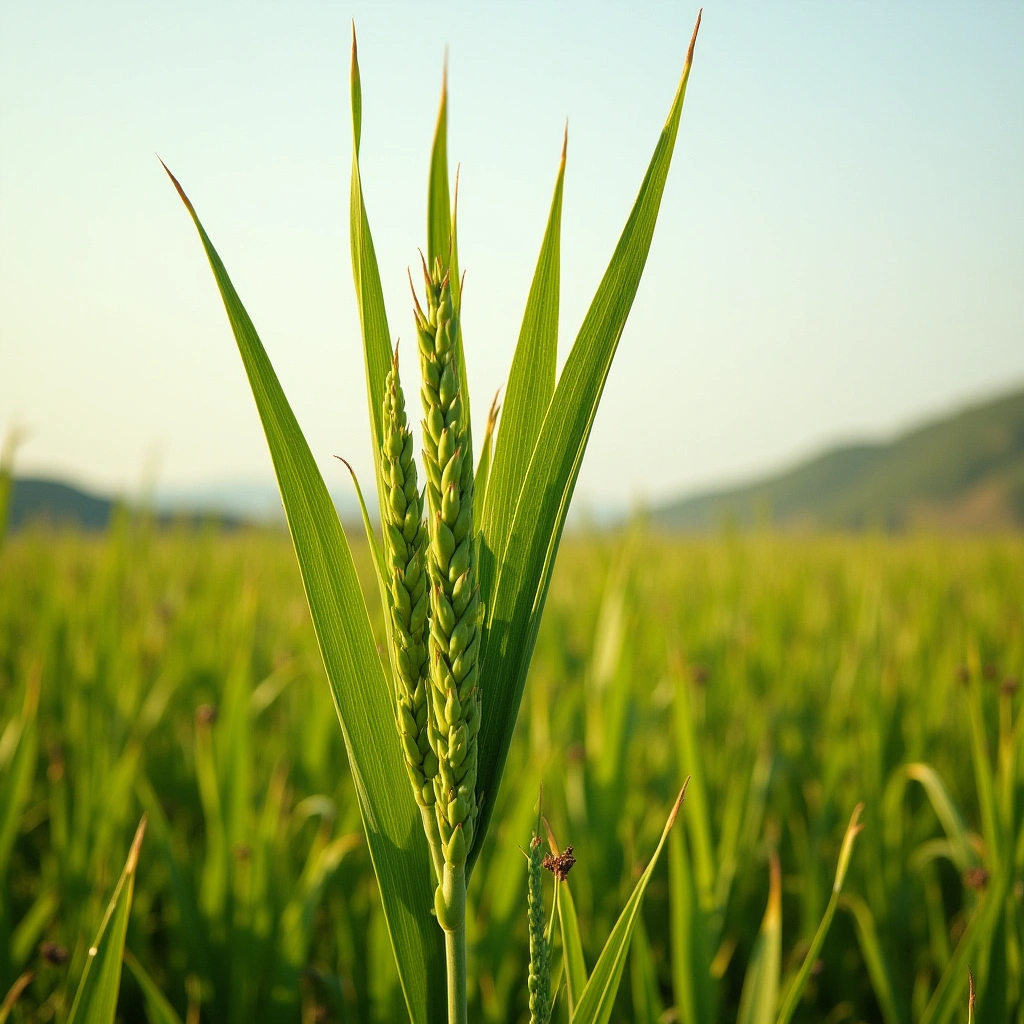
Higher atmospheric carbon dioxide reduces water loss through grass leaves, allowing savanna grasses to sustain photosynthesis and produce more aboveground biomass under drought or low-water conditions. This mechanism challenges the prior assumption that C4 grasses , which dominate many savannas , gain little benefit from elevated CO2 .
If you thought the only thing rising carbon dioxide (CO2) levels did was make your aunt’s garden flourish and your allergies go haywire, think again! A recent study has revealed that increased CO2 is having a rather surprising effect on grass growth in the African savannas. Yes, folks, while we’re busy worrying about climate change and its impacts, nature is throwing a party, and the grass is definitely the life of it.
So, what’s the deal? According to the study, higher levels of CO2 are acting like a magical fertilizer for grasses in these vast and beautiful savannas. The grass is growing faster and more robustly, which sounds great on the surface, right? Who wouldn’t want lush, green landscapes? But wait, there’s more! Just like that infomercial you never asked to see, this situation has some complicated layers.
First off, let’s talk about what these savannas are. Picture sprawling open fields dotted with acacia trees and the occasional zebra. These ecosystems are crucial not just for wildlife but also for carbon storage. As grass grows more vigorously, it could potentially absorb more CO2 from the atmosphere, which sounds like a win-win. But here’s where we hit the brakes: the increased grass growth could also lead to changes in the ecosystem that might not be so beneficial.
For starters, more grass means more fuel for wildfires. And trust me, no one wants to attend the annual savanna bonfire that’s actually a raging inferno. While some grasses can handle the heat (pun fully intended), others might not fare so well. This could lead to a shift in plant species, and we all know that nature doesn’t like it when we mess with its carefully balanced recipe.
Then there’s the issue of herbivores. With grass growing like it’s on some sort of superfood diet, herbivores might have a field day—quite literally. They could overgraze these areas, leading to soil degradation and other ecological headaches. It’s like giving your friend a buffet pass when they’re already prone to overeating. Not exactly a recipe for harmony.
And let’s not forget about the carbon cycle. While the idea of grass storing more carbon sounds promising, the reality is a bit murkier. If the grass gets too thick, it could alter how carbon is stored in the soil and affect the entire ecosystem’s functioning. It’s like trying to rearrange furniture in a room that’s already full; sometimes, it just doesn’t fit.
In conclusion, while rising CO2 is indeed supercharging grass growth in African savannas, like most things in life, it’s not all sunshine and rainbows. We have to tread carefully as we navigate these changes. So, the next time you see a patch of grass growing like it’s auditioning for a role in a nature documentary, remember: it’s not just about the green; it’s about what’s happening underneath the surface. Nature, like a good sitcom, has its twists, turns, and plenty of unintended consequences. Stay tuned, folks—this is one episode that’s far from over!
Inspired by: “Rising carbon dioxide is supercharging grass growth in African savannas, study finds” (r/climatechange)