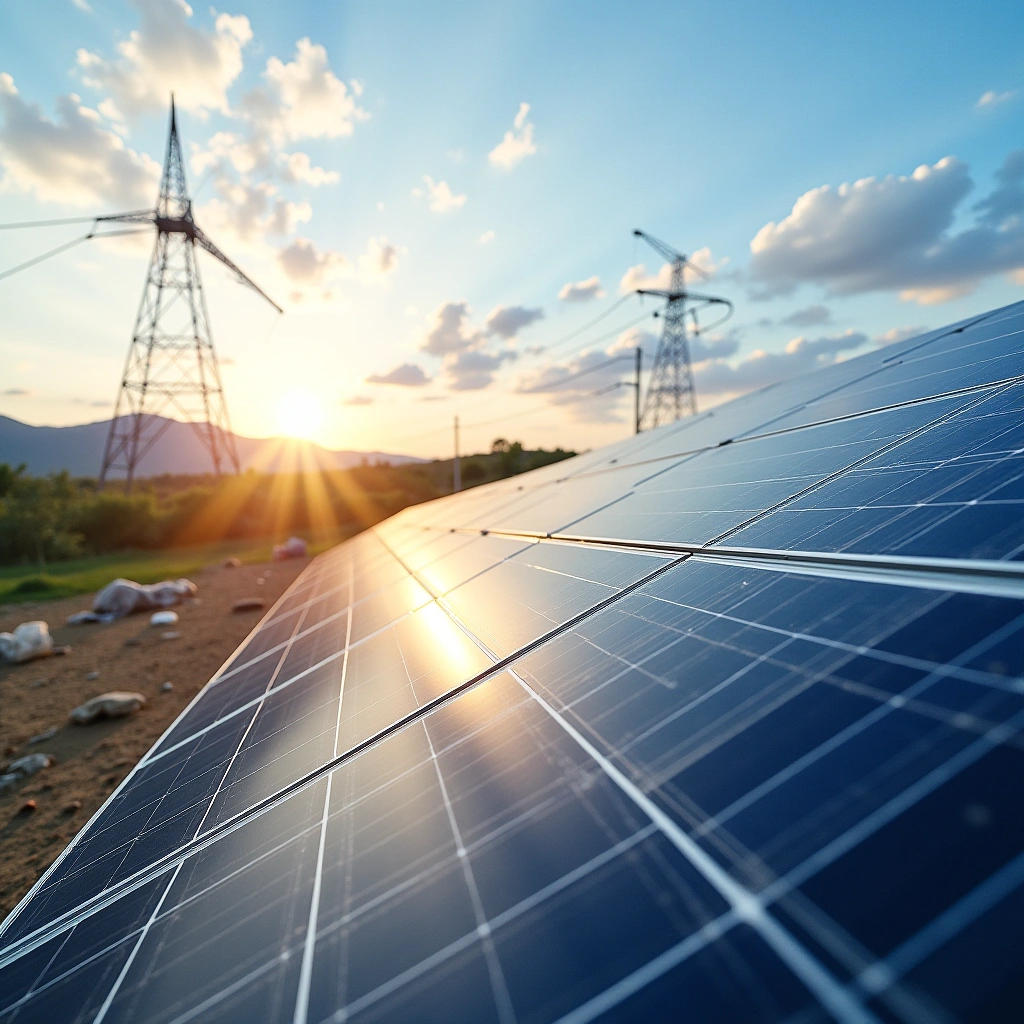
Solar won’t replace hydropower one-for-one. But it generates power when water is scarce, absorbs peak daytime demand, and pairs with storage to provide evening flexibility .
Ah, summer in Europe. The sun shines bright, the flowers bloom, and hydro-electric plants… well, they sort of take a break. This summer, it seems that the hydro-electric power generation wasn’t quite up to its usual standards. But fear not, because solar power swooped in like a superhero with a cape made of solar panels, ready to save the day!
Let’s break it down a bit. Hydro-electricity relies on water flow to generate power. You know, the whole ‘dams, rivers, and turbines’ thing. But when the summer heat hits and water levels drop, hydro-electric plants can find themselves in a bit of a pickle. It’s like trying to make a smoothie without any fruit—sure, you can blend, but you’re not going to get anything worthwhile out of it.
Enter solar energy, the darling of renewable resources. This summer, solar power stepped up to fill the energy gap that poor hydro-electric generation left behind. With longer days and more sunshine, solar panels across Europe went into overdrive, converting those sun rays into usable electricity. It’s like they were saying, “Hey, no problem! We got this!”
Now, you might be wondering: how significant was this solar contribution? Well, it turns out that solar energy compensated for the shortfall quite impressively. According to the data, solar energy production increased significantly during the summer months, proving once again that the sun isn’t just good for getting a tan. It can also keep the lights on! Who knew?
But let’s not get too carried away with the sun worshipping. While solar power has its shining moments, it’s not a one-size-fits-all solution. It’s dependent on weather conditions, time of day, and even the season. So, while solar energy was the star of the show this summer, we still need to keep our hydro-electric plants in good shape for those rainy days (pun intended).
In a nutshell, this summer was a perfect example of how diverse energy sources can complement each other. When one is down for the count, the other can step right up and take its place. It’s like a well-rehearsed dance routine—when one dancer trips, the others don’t just stand there; they adapt and keep the show going.
So, as we move forward, let’s keep the momentum going. The more we invest in renewable energy sources like solar and hydro, the more resilient our energy systems will become. Plus, who doesn’t want to be the person at the party who can say, “Yeah, my electricity comes from the sun and rivers. What about you?”
In conclusion, while hydro-electricity may have had a rough summer, solar power proved that it can shine bright when the going gets tough. And if that’s not a reason to celebrate, I don’t know what is. Let’s just hope the solar panels don’t get too cocky and start demanding their own fan clubs. Cheers to the sun and the water—may they continue to work together harmoniously, and may our energy future be as bright as a sunny day!
Inspired by: “Solar compensated for poor hydro-electric this summer in Europe” (r/climatechange)