27 at 8 p.m. on KPBS 2 – Miles O'Brien meets the innovators tackling climate change in surprising ways. A seaweed additive cuts cattle methane by 90% . Beavers fight drought and wildfire.
If you’ve ever thought about climate change and found yourself wondering how a cow could possibly contribute to it, you’re not alone. In a recent episode of “Resolve to Solve,” hosted by the ever-enthusiastic Miles O’Brien, the spotlight was on some surprisingly impactful solutions to environmental issues, particularly focusing on our four-legged friends and their beaver buddies. Yes, you read that right—cows and beavers are at the forefront of tackling climate change. Let’s dive into this fascinating topic!
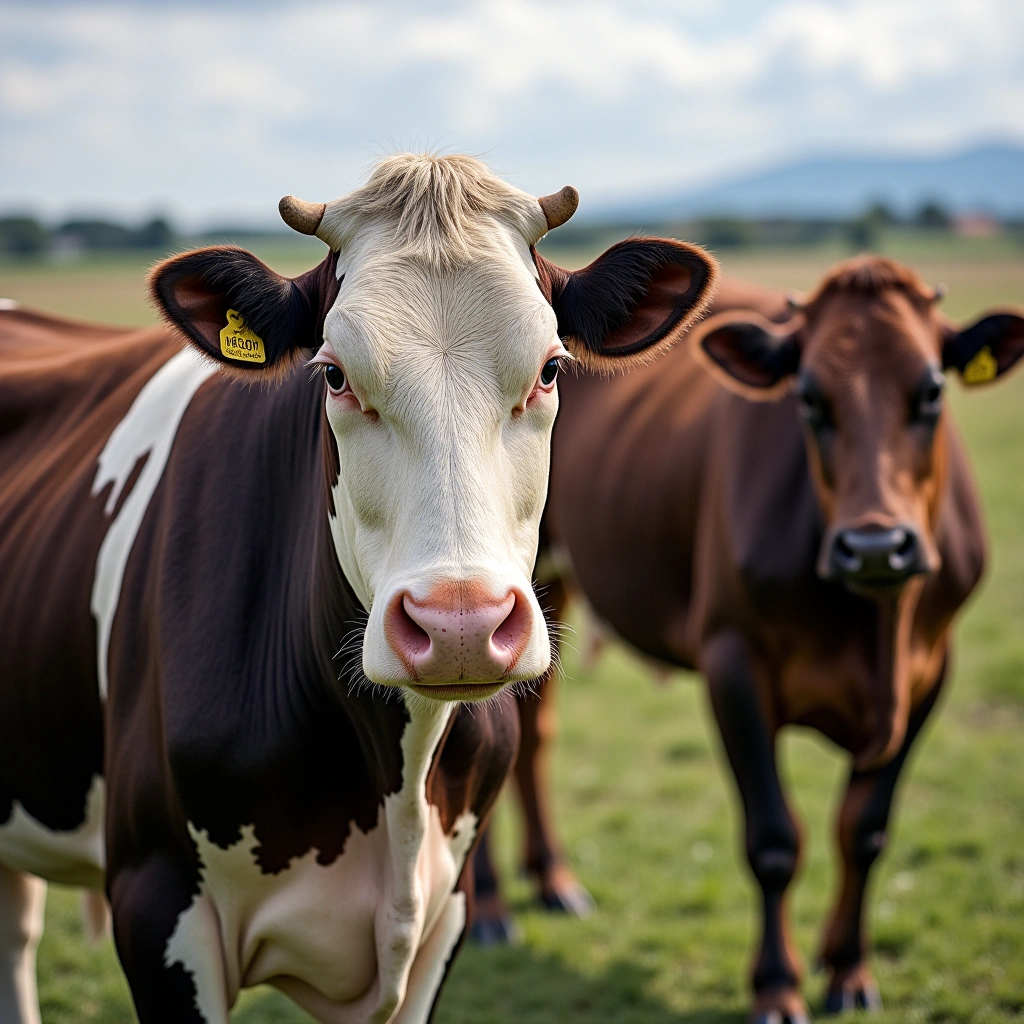
First off, let’s talk about methane. This potent greenhouse gas is like the annoying relative at a family gathering—small in quantity but incredibly impactful. Methane is over 25 times more effective than carbon dioxide at trapping heat in the atmosphere over a 100-year period. And guess who’s one of the biggest culprits? That’s right, our dear bovine companions. Cows produce methane through a process called enteric fermentation, which is just a fancy way of saying that digestion can be a bit gassy.
Now, before you start picturing cows with gas masks, let’s discuss some innovative research aimed at reducing methane emissions from these ruminants. Scientists are exploring various methods, including dietary changes that could help reduce the amount of methane produced during digestion. For instance, adding seaweed to their diets has shown promise. Apparently, a little seaweed can go a long way—who knew cows could be such picky eaters?
But wait, there’s more! Miles O’Brien also highlighted the role of beavers in restoring riparian areas. Yes, those adorable, dam-building rodents are not just cute; they’re also nature’s engineers. Beavers play a crucial role in creating wetland environments, which can help absorb carbon and improve biodiversity. By restoring these areas, beavers can help mitigate the impacts of climate change while looking absolutely adorable doing it. Seriously, can we get a round of applause for beavers?
In this episode, O’Brien dives deep into the intersection of science and nature, showcasing how both cows and beavers can contribute to climate solutions in ways we might not have considered. It’s a refreshing take that reminds us that tackling climate change doesn’t always have to be about high-tech solutions and complex policies. Sometimes, it’s about understanding the natural world around us and making small changes that can have a big impact.
So, what can we take away from this enlightening discussion? First, it’s clear that we need to rethink our approach to agriculture and livestock management. By integrating sustainable practices and innovative feeding strategies, we can significantly reduce methane emissions. And let’s not forget the importance of preserving natural habitats and supporting species like beavers that contribute to ecosystem health.
In conclusion, if you’re looking for a way to feel hopeful about the future of our planet, tuning into “Resolve to Solve” with Miles O’Brien might just do the trick. Who knew that cows and beavers could be such key players in the climate change game? So next time you see a cow chewing its cud or a beaver building a dam, remember—they’re not just living their best lives; they’re also helping us tackle one of the biggest challenges of our time. Now that’s a moo-ving story!
Inspired by: “Resolve to Solve with Miles O’Brien” (r/climatechange)