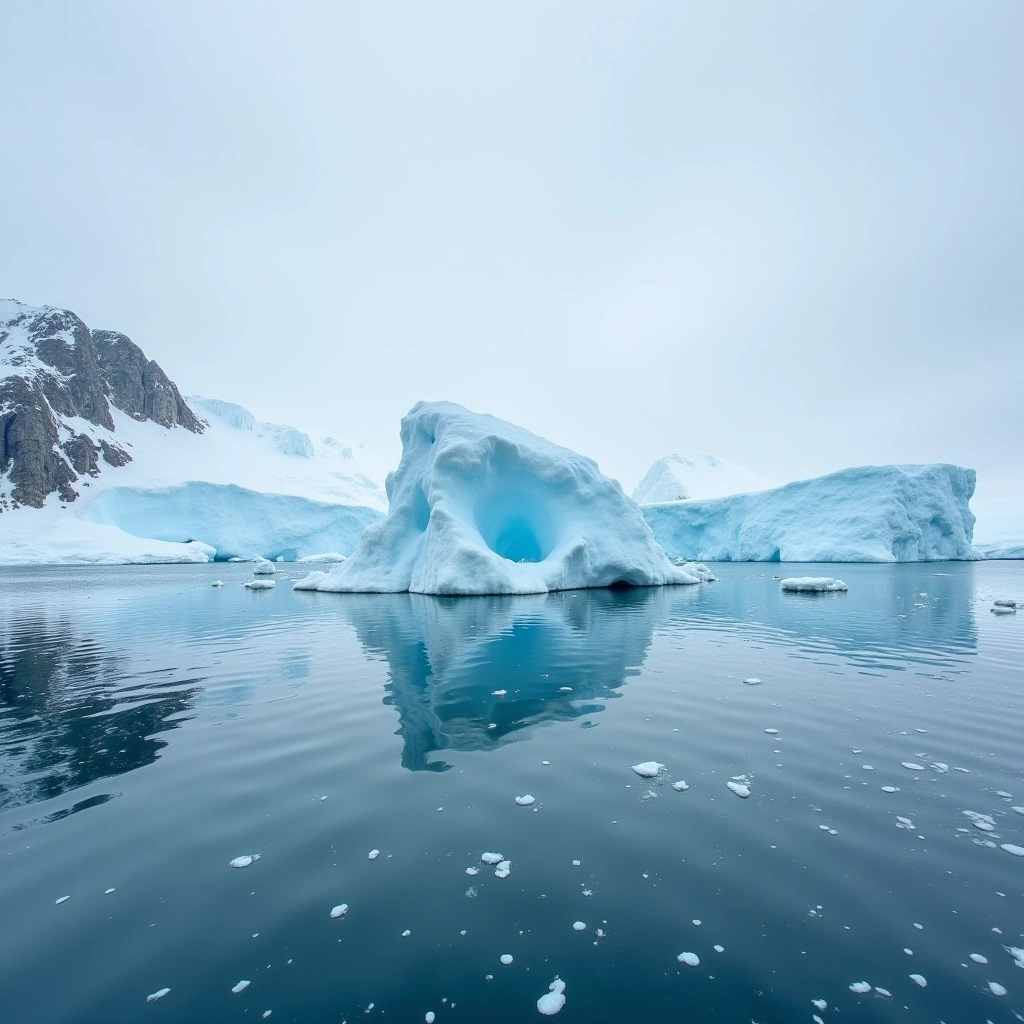
Despite its isolation, Antarctica has experienced warming and ice loss in recent decades, driven by greenhouse gas emissions. West Antarctica warmed by over 0.1 °C per decade from the 1950s to the 2000s, and the exposed Antarctic Peninsula has warmed by 3 °C (5.4 °F) since the mid-20th century.
Ah, Antarctica! The land of ice, penguins, and the occasional climate surprise. Recently, scientists have been scratching their heads over a brief rebound in Antarctica’s ice levels. But hold your polar bears, because it turns out that this rebound is more about climate variability than any sort of ‘new normal’. So let’s grab a hot cocoa (or something stronger) and dive into this frosty topic.
First off, let’s clarify what we mean by ‘climate variability’. This isn’t just a fancy way of saying that the weather is a bit moody. Climate variability refers to the natural fluctuations in climate patterns over time—think of it like Mother Nature’s version of a mood swing. One moment she’s icy and cool, and the next, she’s warming up for a bit of a thaw.
The recent research indicates that the temporary increase in ice levels observed in parts of Antarctica was due to these natural variabilities, rather than any long-term changes in climate. In other words, it’s not like Antarctica suddenly decided to take a break from global warming. It’s more akin to that friend who goes on a health kick for a week only to dive headfirst into a pizza binge the following weekend.
So, why does this matter? Well, for starters, it means we shouldn’t throw our hands up in the air and declare that climate change is over just because Antarctica had a brief moment of ice glory. The reality is that the climate is still warming, and any temporary rebounds in ice levels are just that—temporary. They’re like a sugar rush; it feels great until it crashes.
Moreover, understanding these variabilities can help scientists predict future climate patterns more accurately. If we know that some of these ice fluctuations are part of a natural cycle, we can better differentiate between what’s normal and what’s not. This is crucial for policymakers, researchers, and anyone who likes to keep their head out of the melting icebergs.
And let’s be real here: while it might be tempting to view Antarctica’s rebound as a sign that things are getting better, we need to keep our expectations in check. Just because the ice decided to show off for a hot minute doesn’t mean it’s here to stay. If anything, it’s a reminder that climate change is a complex beast, and we’re still learning how to tame it.
To sum it all up, while Antarctica may have had a brief moment of glory, it’s important not to mistake it for a permanent change. Climate variability is a real thing, and it’s keeping scientists busy trying to figure out what it all means for our planet. So, the next time someone tells you that the ice is back, just nod knowingly and remind them that it’s all part of the natural cycle—until it isn’t.
Now, if you’ll excuse me, I’m off to prepare for the inevitable thaw. Cheers!
Inspired by: “Antarctica’s brief rebound was caused by climate variability, not a ‘new normal’” (r/climatechange)