Find latest litigation news from every corner of the globe at Reuters.com, your online source for breaking international news coverage.
Ah, the Northern Mariana Islands! Known for their stunning beaches, vibrant culture, and… seabed mining? Yes, you heard that right. The U.S. government has proposed an auction for seabed mining rights in this picturesque locale, and while it might sound like a golden opportunity for treasure hunters, it’s actually causing quite a stir among climate enthusiasts and environmentalists.
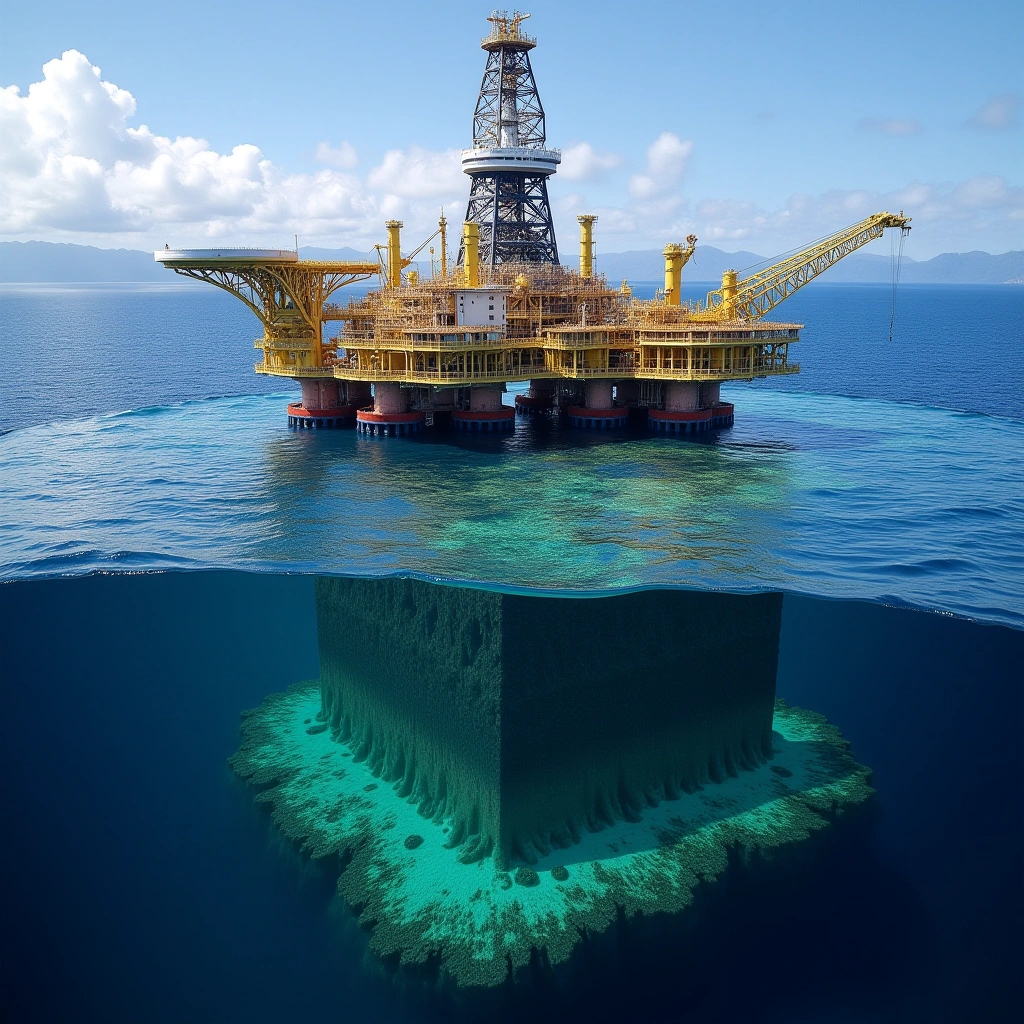
So, let’s break this down. Seabed mining involves extracting minerals from the ocean floor, and while it might seem like a way to tap into some hidden wealth, it’s not all sunshine and rainbows. The ocean floor is a delicate ecosystem, teeming with life that we’ve barely begun to understand. Imagine someone bulldozing a forest to find buried treasure—it’s a bit like that, but with fish instead of trees.
Now, the U.S. government claims that the minerals found on the seabed, such as nickel, cobalt, and rare earth elements, are crucial for the green technology revolution. You know, the one that’s supposed to save us all from climate disaster? Sounds noble, right? But here’s the kicker: the process of mining these resources can lead to significant environmental degradation. It’s like trying to solve a puzzle while simultaneously throwing the pieces out the window.
The Northern Mariana Islands are not just any old piece of real estate; they are home to unique marine habitats and endangered species. The proposed mining could disrupt these ecosystems, potentially leading to irreversible damage. So, while we’re all for advancing technology, can we maybe do it without turning the ocean into a giant dirt pit?
Critics of the auction are raising their voices—loudly. Environmental organizations are warning that this move could set a dangerous precedent, encouraging more seabed mining around the world. And let’s be honest, if there’s one thing humanity has proven over and over again, it’s that we’re not great at self-regulating when there’s money involved.
Some might argue that we need these minerals to build electric vehicles and renewable energy sources. Sure, but at what cost? Are we really willing to trade off the health of our oceans for a few shiny gadgets? It’s like choosing between a new smartphone and saving a puppy from a burning building. Tough choice, right?
Let’s not forget the potential for local communities to be affected. The Northern Mariana Islands rely heavily on tourism, and who wants to vacation next to a mining operation? “Hey, look at that beautiful sunset—oh wait, is that a mining rig?” Not exactly the Instagram moment you’d want to capture.
In conclusion, while the idea of seabed mining may seem like a treasure hunt for the modern age, the reality is a complicated web of environmental, economic, and ethical dilemmas. As we move forward, it’s essential to weigh the potential benefits against the risks, and maybe, just maybe, consider other ways to source our materials that don’t involve dredging up the ocean floor. After all, the planet is not just a resource for us to exploit; it’s a home that we need to cherish and protect. Let’s hope that the decision-makers remember that before they start auctioning off our underwater treasures.
Inspired by: “US proposes seabed mining auction off Northern Mariana Islands” (r/climatechange)