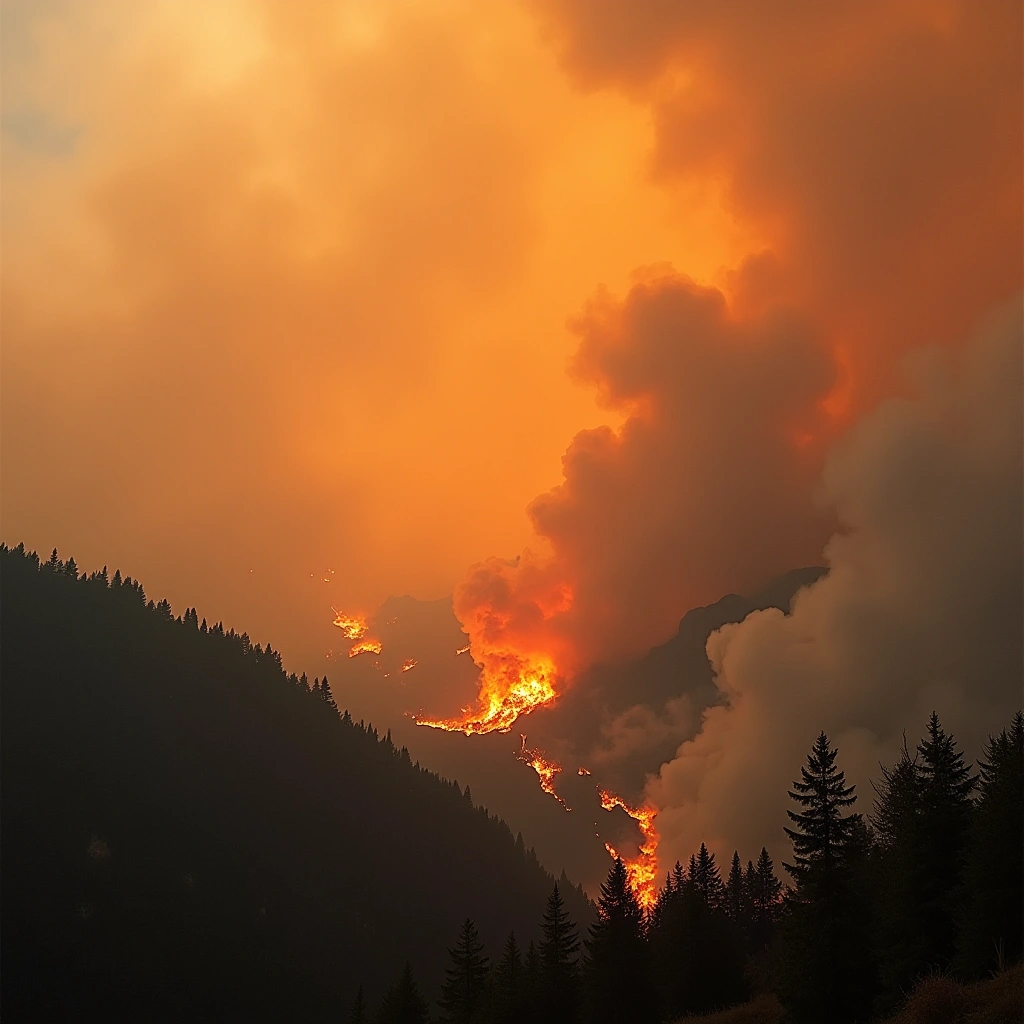
Wildfire smoke leads to higher air pollution levels, causing people to stay indoors and reducing their spending in local economies. Businesses that rely on foot traffic suffer from fewer customers, and outdoor events may be canceled due to poor air quality.
Wildfires have become a regular guest at our summer barbecues, showing up uninvited and leaving behind a smoky mess. But beyond the singed trees and the occasional heroic rescue of your neighbor’s cat, have you ever thought about how wildfire smoke affects the economy? No? Well, buckle up, because we’re diving headfirst into the haze!
First off, let’s address the obvious: smoke is not just a nuisance for our lungs. It can have a significant impact on various sectors of the economy. For starters, let’s talk about agriculture. Farmers depend on clear skies and sunshine, not a thick blanket of smoke that turns their crops into a scene from a dystopian movie. Wildfire smoke can reduce crop yields, affect quality, and even contaminate produce. So, if you’re wondering why your avocado toast costs more at brunch, you might want to blame that wildfire across the state.
Next up, we have the tourism industry. Imagine planning a lovely getaway to the mountains, only to find that the view is obscured by smoke. What’s supposed to be a picturesque Instagram moment turns into a grey, gloomy experience. This can lead to a significant drop in tourist numbers, which means less money flowing into local economies. And let’s be honest, nobody wants to miss out on that sweet, sweet revenue from tourists who are just dying to buy overpriced t-shirts and local artisanal jams.
Then there’s the health sector, which gets a rather unfortunate boost when wildfire smoke rolls in. Increased respiratory issues mean more visits to the doctor, more prescriptions, and, you guessed it, more spending. Hospitals and clinics might see a spike in patients, which sounds great until you realize that it means more strain on an already overburdened healthcare system. So, while the smoke might be making a killing in health-related expenses, it’s not exactly a win-win situation.
Let’s not forget about the insurance industry. Wildfires lead to property damage, and that means more claims. Insurance companies might see a spike in payouts, which could lead to higher premiums for everyone. So, if you think your rates are climbing faster than the flames, you might just be onto something. Thanks, wildfire smoke!
And what about the job market? Wildfires can lead to temporary job losses, especially in affected areas. Businesses might close down due to smoke damage or a lack of customers, leading to layoffs. It’s a vicious cycle that can take time to recover from. So, if you see your favorite local coffee shop shuttered because of smoke, it’s not just sad for your caffeine fix; it’s a hit to the local economy, too.
In conclusion, while we might joke about the smoke ruining our outdoor plans or our Instagram feeds, the economic implications are no laughing matter. From agriculture to tourism, healthcare, insurance, and employment, wildfire smoke has a far-reaching impact that ripples through the economy. So, the next time you see a smoke plume on the horizon, remember that it’s not just a sign of nature’s fury but also a complex economic situation unfolding. And maybe invest in some indoor plants to help purify the air—because who doesn’t want to add a little greenery to their life while the world is on fire?
Inspired by: “How does wildfire smoke affect the economy?” (r/climatechange)