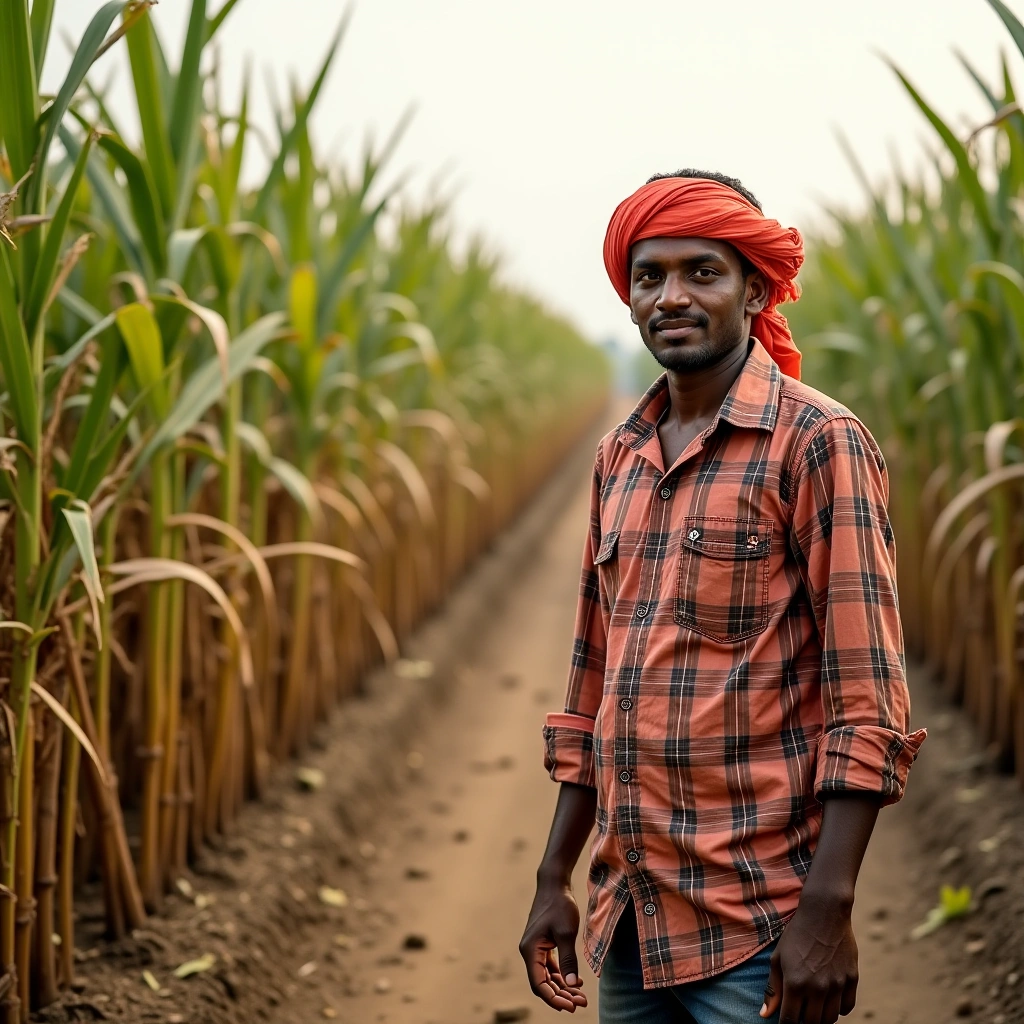
In western India, sugarcane yields are declining because climate-induced higher temperatures and prolonged dry spells are leading to increased pest attacks and disease outbreaks . But large-scale organic farming can help sugarcanes survive.
When you think of sugarcane, you might picture a tropical paradise, swaying in the breeze, or perhaps a sweet treat that makes your coffee just a little more bearable. But behind those sugary delights lies a critical element of India’s rural economy. Sugarcane is not just a crop; it’s a lifeline for millions of farmers across the nation. However, like a plot twist in a bad rom-com, climate change is throwing a wrench into this sweet story.
India is the second-largest producer of sugarcane in the world, and it’s not just for the love of sweetening our chai. The crop supports approximately 50 million farmers and their families, creating jobs, boosting local economies, and providing a significant source of revenue for rural areas. It’s a beautiful cycle—farmers grow the cane, sugar mills process it, and the sweet stuff ends up in everything from candies to your morning coffee. But here’s where things get sticky.
Climate change is not just a buzzword tossed around at dinner parties; it’s a real and pressing issue impacting agriculture globally. For sugarcane farmers, rising temperatures, erratic rainfall, and extreme weather events are becoming the norm rather than the exception. Imagine trying to grow a plant that thrives in specific weather conditions when Mother Nature decides to play a game of ‘guess what I’ll do next.’ Spoiler alert: the farmers lose.
The yield of sugarcane is directly affected by these climate changes. Higher temperatures can lead to reduced growth rates, while unpredictable monsoons can either drown the crop or leave it parched. And let’s not even get started on pests and diseases that thrive in changing climates—talk about adding insult to injury!
Farmers are facing tough choices. Many are turning to water-intensive irrigation methods, which can deplete local water sources. It’s like trying to survive a drought by drinking all the water in your community—unsustainable and, quite frankly, not a great long-term plan. Others are experimenting with different crop varieties or even switching to alternative crops that might be more resilient to climate change. But let’s face it, switching crops isn’t as easy as it sounds. It’s not like you can just wake up one day and decide you want to be a potato farmer instead.
The Indian government has recognized this crisis, but addressing the issue is more complicated than it seems. There’s a delicate balance between supporting farmers, ensuring food security, and tackling the broader implications of climate change. Policy changes, investment in sustainable practices, and education on adaptive farming techniques are all essential steps in the right direction. But will they be enough? Only time will tell.
So, what does this mean for the average person? Well, if you enjoy your sweet treats, you might want to brace yourself for potential price hikes. As yields drop and production costs rise, sugar prices might take a hit. And nobody wants to pay more for their guilty pleasures, right?
In conclusion, while sugarcane has long been the backbone of India’s rural economy, climate change is threatening to turn this sweet success story into a bitter tale. As we navigate this sticky situation, it’s crucial for all of us to pay attention and advocate for sustainable practices that can help protect not just sugarcane, but the livelihoods of millions who depend on it. Because at the end of the day, we all want to keep enjoying those sweet moments—preferably without a side of climate-induced chaos.
Inspired by: “Sugarcane powers India’s rural economy but climate change is affecting yield.” (r/climatechange)