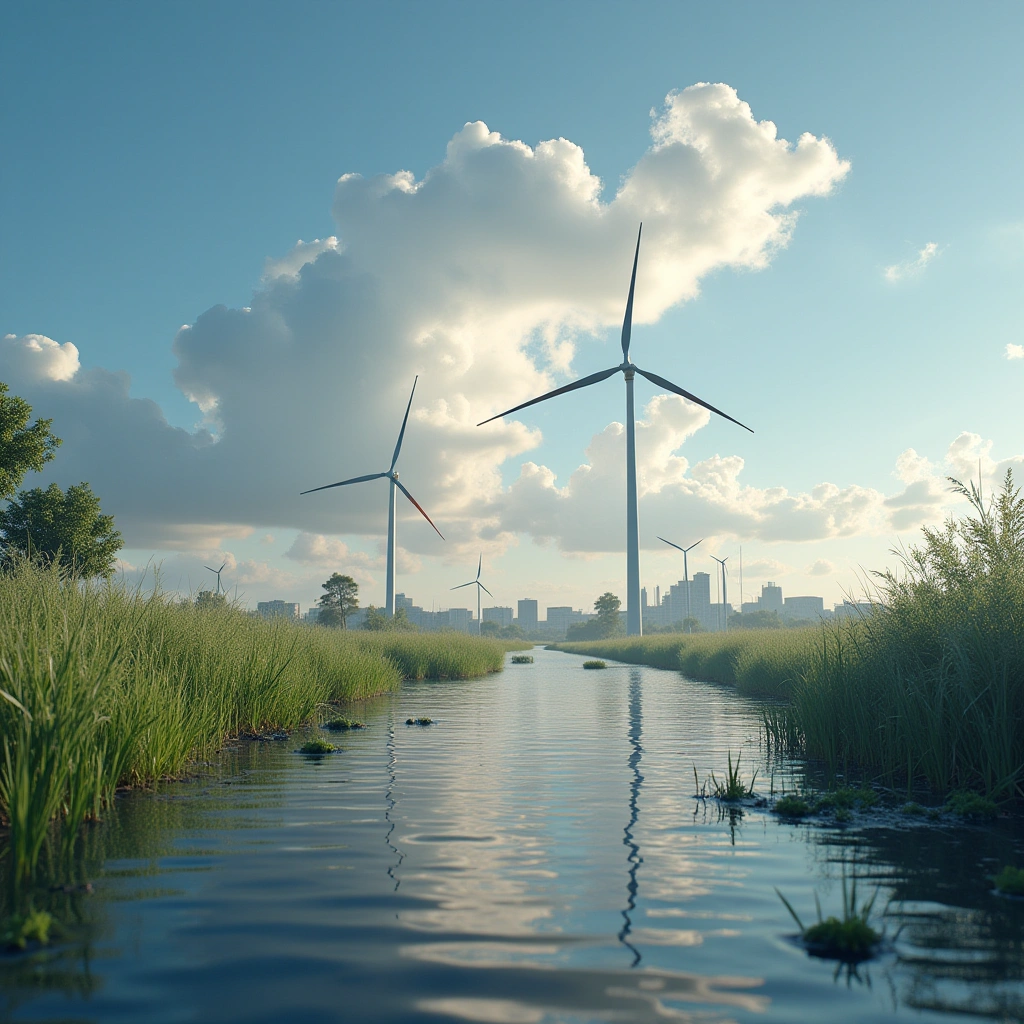
“People ask me how I can possibly be optimistic about prospects for averting dangerous climate change in the face of the obstacles standing in our way. I tell them it's simple. It's all about the re-engagement of young folks we are witnessing today." … "When I think of climate, I think of jobs. When I think of climate, I think of innovation. When I think of jobs — climate, I think of turning peril into progress. That's why I'm so optimistic about the future.
Ah, climate change discussions—where doom meets optimism, and everyone has a slightly different take on what’s going to happen next. If you’ve ever strolled through the climate change subreddit, you might have encountered terms like ‘climate doomers’ and ‘optimists’ being thrown around like confetti at a parade. But let’s be real for a moment: how do we actually estimate our climate future when innovation and progress are constantly reshaping the landscape?
First off, let’s define our characters. The ‘climate doomers’ are the folks who look at the current trends and say, ‘Well, this is it, folks! Grab your survival gear and head for the hills!’ They tend to rely on estimates based on existing data, which can sound pretty grim. On the other hand, we have the ‘optimists’—the cheerleaders of green energy who believe that technology will swoop in like a superhero and save the day. They often point to how underestimated the growth of solar and wind power was back in the early 2000s. Spoiler alert: it was underestimated by a lot.
Now, let’s talk about the ‘slightly more realists’—the ones who acknowledge the importance of current trends in green energy while still keeping one foot planted in the realm of reality. They recognize that while innovation is essential, we can’t just ignore the significant challenges we still face. It’s like trying to bake a cake with half the ingredients missing; sure, you might get something that resembles cake, but it’s probably not going to win any awards.
So, is there a way to estimate our climate future that takes all these perspectives into account? The short answer is: sort of. The long answer involves a lot of complicated models and equations that would make your high school math teacher proud. Various researchers and institutions have attempted to create models that factor in innovations, advancements in technology, and even human adaptability. They try to incorporate the rate of increase for renewable energy sources, which, let’s face it, is a bit like trying to predict the stock market—there are just too many variables.
For instance, when we look at historical data, we see that projections for solar and wind energy have consistently underestimated how quickly these technologies would be adopted. Back in the day, people thought we’d be stuck in the fossil fuel age forever, but here we are, watching solar panels pop up like daisies in spring. Of course, we can’t ignore the skeptics—those who insist that the agricultural innovations of the last century somehow mean we’ll sidestep all impending food shortages. It’s a nice thought, but let’s not forget that climate change isn’t just a food issue; it’s a whole buffet of problems.
The key takeaway here is that while there are estimates that try to factor in innovation and progress, they often come with caveats. It’s essential to use the right approaches in the correct contexts, weighing each factor appropriately. For example, while we can be hopeful about the future of green technologies, we must also acknowledge the hurdles that lie ahead, like political will, economic feasibility, and the sheer inertia of existing systems.
In conclusion, the quest for accurate climate projections is a bit like trying to find a unicorn—everyone’s got a different idea of what it looks like, and it might not even exist. But by blending the perspectives of doomers, realists, and optimists, we can at least create a more nuanced picture of what our climate future might hold. So, let’s keep the dialogue going, stay informed, and maybe—just maybe—find a way to bake that cake with all the right ingredients. Or at least, a cake that won’t crumble under the weight of climate reality.
Inspired by: “Is there any estimates that factor in innovations and progress ?” (r/climatechange)