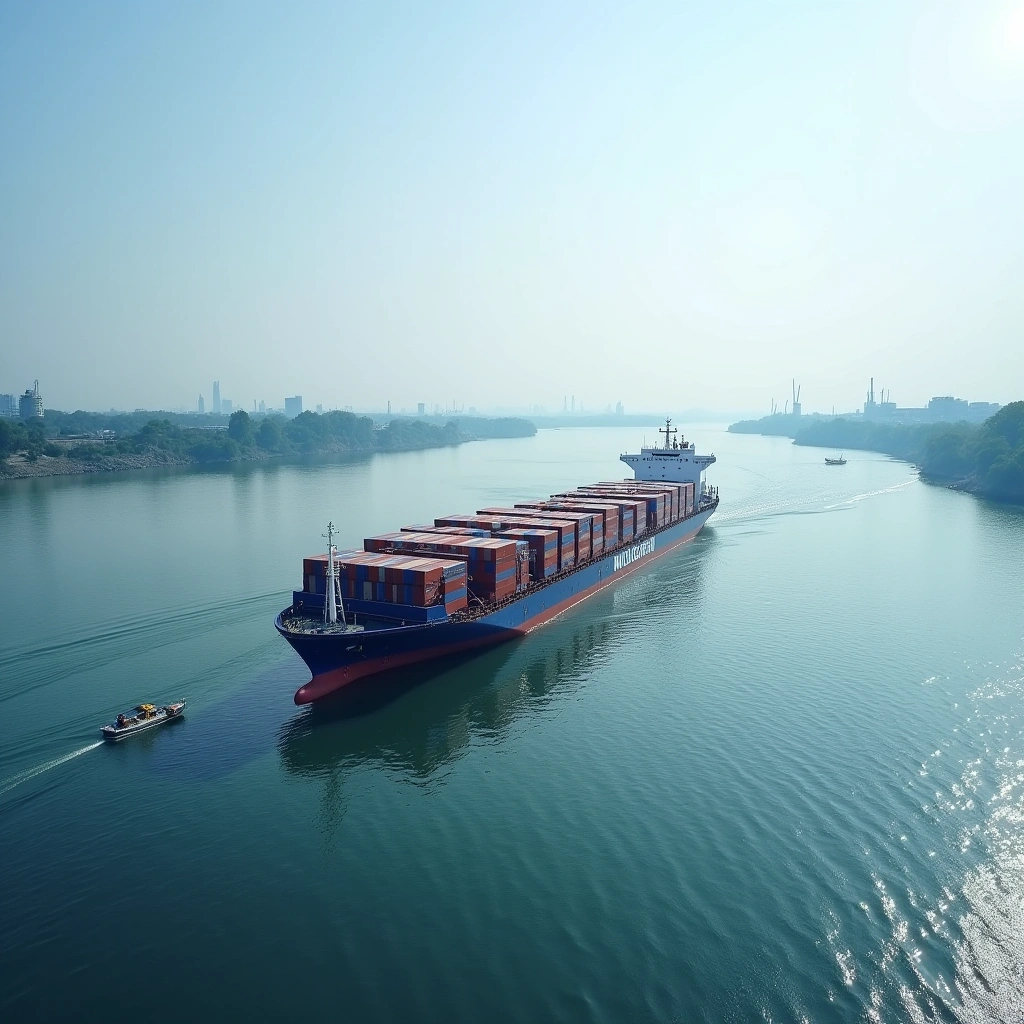
Boats churning along the world’s rivers and other inland waterways accounted for nearly one-quarter of carbon dioxide emissions from shipping in 2022 , even though these bodies make up less than 1% of Earth’s navigable waters1.
When we think of shipping and its environmental impact, our minds often drift to those enormous cargo ships plowing through oceans, spewing out enough CO₂ to make even the most patient climate activist sigh in frustration. But hold on to your life jackets, folks! It turns out that river shipping is also making quite the splash in the carbon emissions pool, contributing nearly a quarter of global shipping’s CO₂ emissions. Yes, you read that right. Who knew that those cute little barges cruising down our rivers could be such heavyweights in the climate change arena?
So, let’s dive into this murky water and explore just how river shipping is paddling its way into the climate conversation.
The Numbers Game
According to recent analyses, river shipping is responsible for about 24% of the total CO₂ emissions generated by global shipping. This figure might leave you scratching your head and wondering, “How can something that seems so quaint have such a significant impact?” Well, it’s all about the sheer volume of traffic. Rivers are like highways for goods, and when you have a lot of traffic, you inevitably have a lot of emissions.
Why Rivers?
You might be thinking, “Why not just stick to the good old ocean vessels?” Well, rivers are often more efficient for transporting goods over short distances. They can move large quantities of cargo at a lower cost compared to road or rail transport. But as we all know, with great efficiency comes great responsibility—or in this case, great emissions.
The Ripple Effect
Now, before you start throwing your hands up in despair, let’s consider the potential for improvement in river shipping. Just like how a small pebble can create ripples in a pond, small changes in this sector could lead to significant reductions in emissions. Innovations in fuel technology, better vessel designs, and improved logistics can all contribute to greener river shipping.
What Can Be Done?
So, what can we do about this? First off, awareness is key. If you’re like me and didn’t even know river shipping was a thing, then it’s time to educate ourselves. Governments and environmental organizations need to prioritize this often-overlooked sector in their climate action plans.
We could also push for more sustainable practices—like using alternative fuels or investing in electrification of river vessels. Imagine a fleet of electric barges cruising down the rivers. It’s like a scene from a futuristic movie, minus the flying cars.
Conclusion: Don’t Forget the Rivers
In the grand scheme of things, river shipping might not be the first thing that comes to mind when we discuss climate change. But as this analysis shows, it’s time to give rivers their due credit (or blame, depending on how you look at it). As we continue to tackle the climate crisis, let’s not forget about these waterways and the emissions they carry. After all, if we can tackle emissions on the rivers, we might just make a dent in that hefty shipping CO₂ problem. And who knows? Maybe one day, we’ll look back and laugh at how we used to overlook the little guys—like river barges—while focusing solely on the ocean giants.
So here’s to cleaner rivers and a greener planet! Let’s paddle our way to a more sustainable future, one emission at a time.
Inspired by: “River shipping emits nearly one-quarter of global shipping CO₂, analysis finds” (r/climatechange)