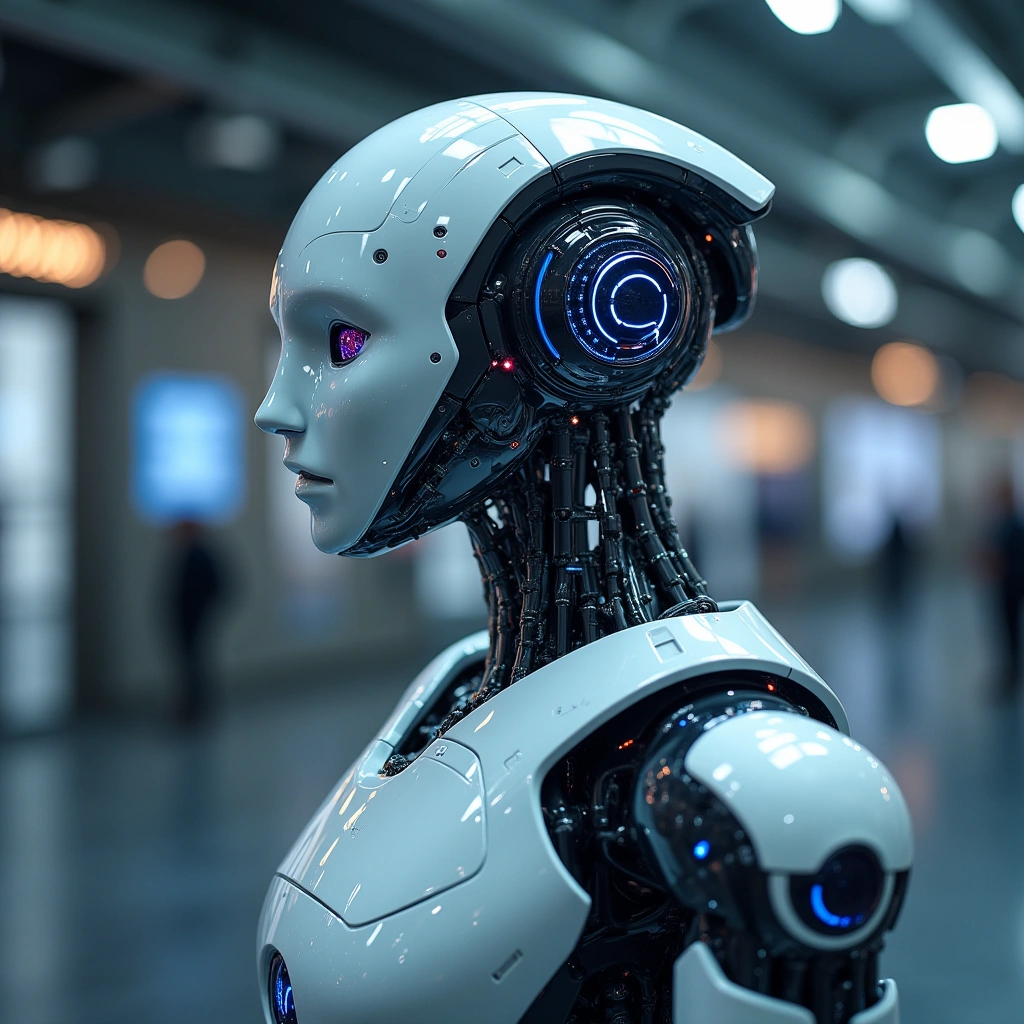
So, Japan is eyeing the use of domestic artificial intelligence (AI) in its Self-Defense Forces (SDF). This might sound like something straight out of a sci-fi movie, but it’s actually happening in real life. And no, there won’t be any robots taking over the world—at least not yet.
The shift is outlined in the Defense of Japan white paper, approved Tuesday by the Cabinet, which argues that rapid changes on the battlefield require a stronger domestic defense industry and closer cooperation with the private sector.
In a world where technology is evolving faster than you can say “artificial intelligence,” countries are scrambling to integrate AI into various sectors, with defense being a significant player on this chessboard. Japan, known for its cutting-edge technology and innovation, is now looking to leverage this to bolster its national defense.
The idea is not just to have a shiny new toy in the form of AI, but to enhance operational efficiency, improve decision-making, and perhaps even predict potential threats. Imagine an AI system that can analyze vast amounts of data faster than any human could, and then provide insights that could potentially save lives. Sounds great, right?
But hold on a minute. Before we all jump on the AI bandwagon, let’s consider the implications. While AI can process information at lightning speed, the human touch is still irreplaceable—unless you’re a robot enthusiast who believes that one day machines will rule the universe.
Japan’s move towards domestic AI is also a strategic one. By developing its own systems, Japan can avoid potential security risks associated with foreign technology. You know, like those pesky backdoors that could lead to a cyber invasion. Because who wouldn’t want their defense systems to be compromised by a foreign entity? Not on Japan’s watch, that’s for sure.
The SDF has already been using AI in various capacities, but this new initiative aims to take it to the next level. With the right investment and development, we could see AI playing roles in logistics, cyber defense, and even battlefield simulations. Just imagine the SDF planning a mission with the help of AI that can simulate countless scenarios in a matter of seconds. It’s like having a super smart friend who can help you ace your defense strategy.
However, it’s crucial to maintain a balance. The integration of AI in defense must come with a set of ethical guidelines and oversight to ensure that things don’t spiral out of control. After all, the last thing we want is for an AI to decide that humans are the real threat and take matters into its own circuits.
In conclusion, Japan’s foray into domestic AI for its Self-Defense Forces is an exciting development that could reshape the future of national defense. With the right precautions and ethical considerations, this could lead to a safer and more efficient defense strategy. Plus, it gives us all a little more time to prepare for when the robots finally do take over. Just remember to treat them nicely—who knows, they might be your future overlords!
Inspired by: “Japan Eyes Using Domestic AI in SDF Command” (r/technology)