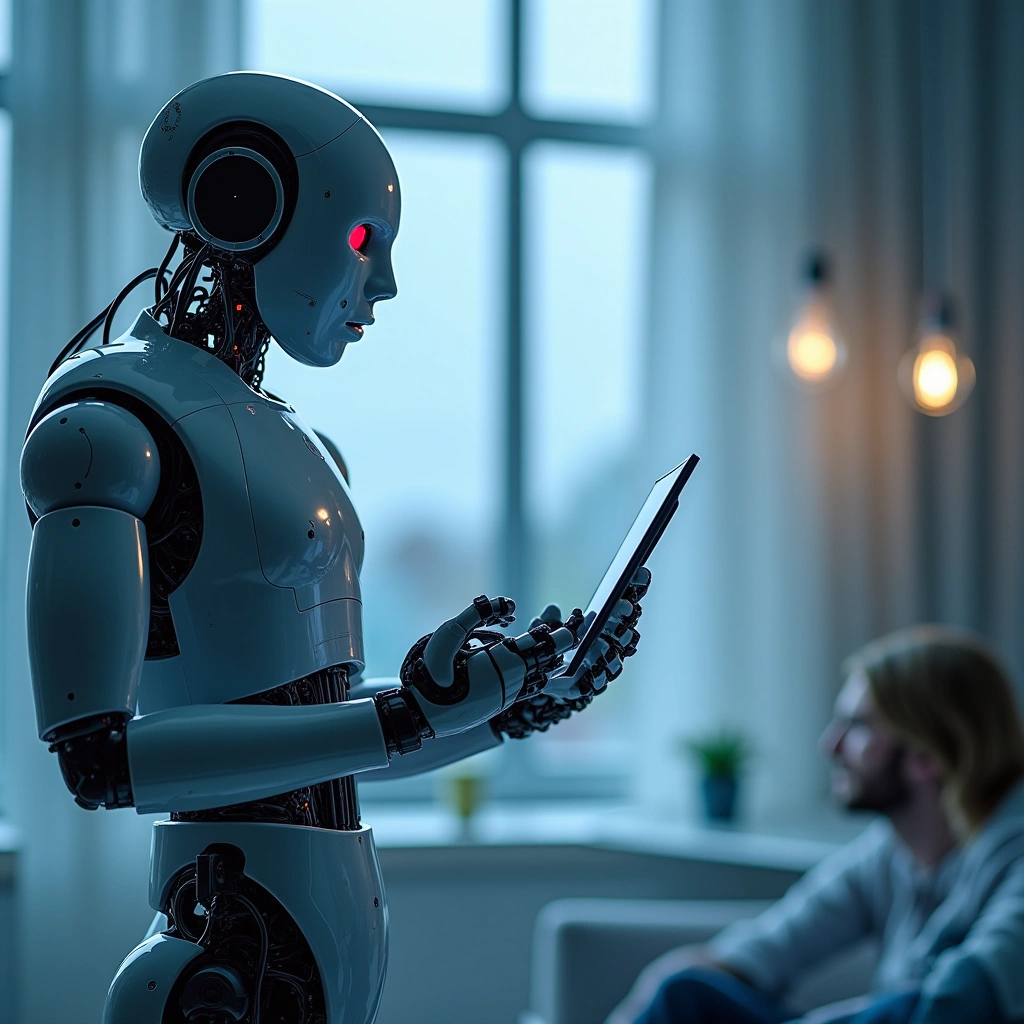
So, California is at it again. The Golden State, known for its beaches, Hollywood dreams, and, let’s face it, a bit of eccentricity, is considering a ban on AI therapists. Yes, you heard that right—robots that can help us with our mental health might be getting the boot. But before we dive headfirst into this digital drama, let’s unpack what’s really going on here.
Senate Bill 903 would ban companies from advertising chatbots as therapy. It would prohibit AI from making therapeutic decisions without the review of a licensed professional and require health providers to disclose and get a patient’s permission …
First off, let’s acknowledge the elephant in the room: the rise of chatbots in mental healthcare. With the pandemic pushing us all into our homes and away from our beloved therapists (who, let’s be honest, charge more than a small car), many people turned to AI for help. These chatbots, like your friendly neighborhood digital therapist, have been offering support to thousands of folks who are struggling with everything from anxiety to existential dread. And let’s face it, who doesn’t have a bit of existential dread these days?
But here’s where it gets interesting. California officials are raising their eyebrows at the idea of AI handling something as sensitive as mental health. Their concern? The lack of human empathy. And they might have a point. After all, can a chatbot really understand your deep-seated issues with your childhood or why you keep binge-watching reality TV shows? I mean, they can provide you with a list of coping mechanisms, but can they bring you a pint of ice cream when you’re feeling down? I think not.
Now, I’m not here to throw shade at AI. These chatbots can be a great first step for those who might not be ready to talk to a real live person. They’re like that friend who always texts back quickly and never judges you for crying over a rom-com. But let’s not kid ourselves; they’re not a replacement for real human interaction.
The California proposal is raising a lot of questions about the future of mental health care. Are we really ready to abandon the human touch in favor of a robot who can recite therapeutic techniques like a well-programmed parrot? While AI can offer support, the nuances of human emotion are something that algorithms simply can’t replicate. Sure, they can analyze data and detect patterns, but can they give you a hug or tell you that everything will be okay? I think we all know the answer to that one.
The debate also opens the door to broader discussions about technology and mental health. As chatbots become more prevalent, we need to consider how we can integrate them into our healthcare system without losing the essence of what makes therapy effective—human connection. Maybe a hybrid model is the answer? You know, where you start with a chatbot for those awkward first conversations and then transition to a real therapist for the heavy lifting. Kind of like using training wheels before you take off on your own.
In conclusion, while California’s move to ban AI therapists might seem drastic, it’s a reminder that mental health care is a deeply human experience. We can embrace technology and still hold on to the importance of human empathy. Let’s not throw the baby out with the bathwater—or the chatbot out with the therapist. After all, we might need both to navigate the wild ride that is life.
So, what do you think? Should we let AI help us with our mental health, or is it time to pull the plug on our digital therapists? Let’s hear your thoughts in the comments!
Inspired by: “California wants to ban AI therapists as thousands turn to chatbots for mental healthcare” (r/technology)