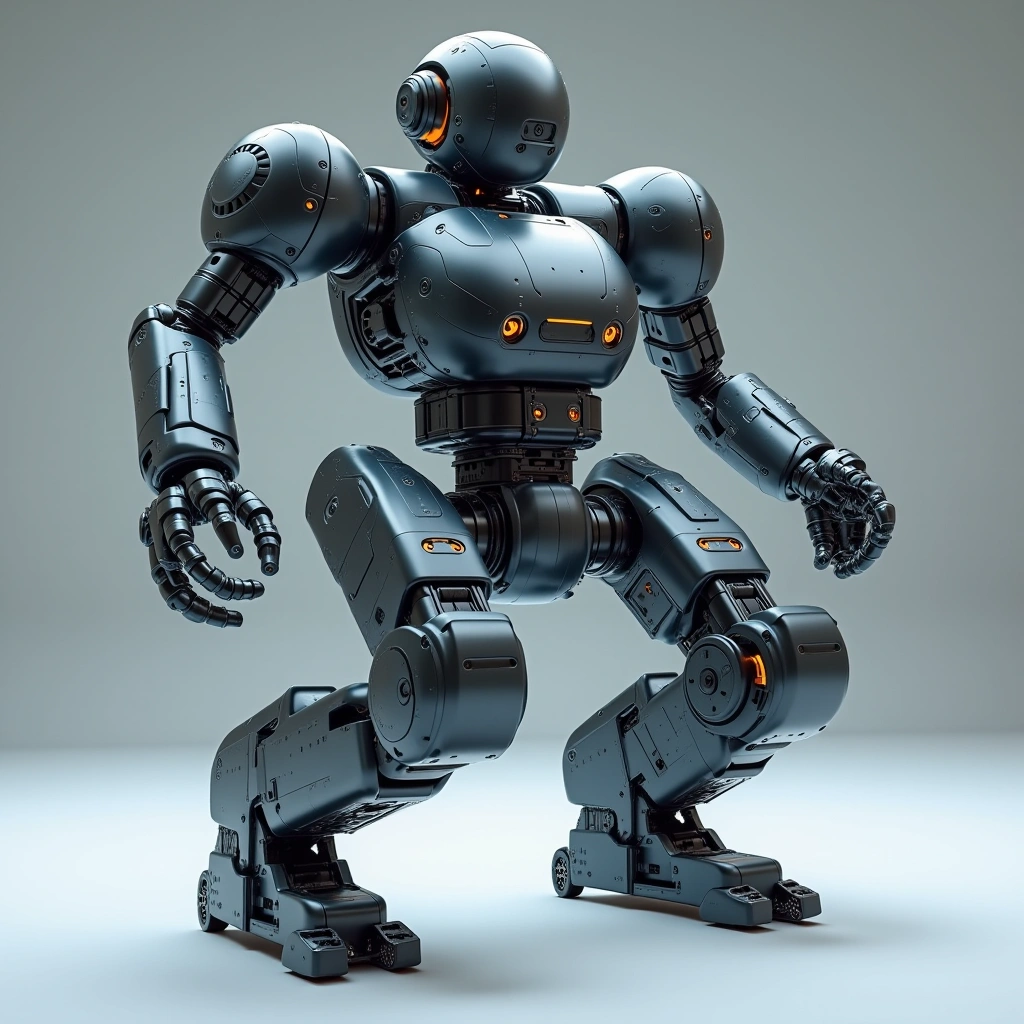
If you’ve ever struggled with changing the batteries in your TV remote, prepare to feel utterly inadequate. Boston Dynamics has just unveiled that their Atlas robot can change its own battery in under three minutes. Yes, you heard that right! While we’re still wrestling with our AAA batteries, this robot is out here performing self-maintenance like it’s no big deal.
The production version of Atlas can autonomously return to a battery station, replace a depleted battery in under three minutes, and resume working without a person performing the swap, according to Boston Dynamics’ Atlas specifications.
Now, let’s take a moment to appreciate what this means. The Atlas robot is already known for its impressive capabilities—think parkour, backflips, and even complex dance moves that would put your average human at a Saturday night wedding reception to shame. But now, it’s adding battery maintenance to its resume. What’s next? Cooking dinner?
So how does it do this? Well, it involves some very clever engineering and a dash of programming wizardry. The robot identifies when its battery is low (a skill we humans could certainly benefit from—imagine if we could just plug ourselves in when we’re running on empty). Then, it deftly removes the old battery and replaces it with a new one, all without breaking a sweat. In under three minutes! This is the stuff of science fiction, folks.
But let’s not get too carried away. Sure, the Atlas robot can change its battery, but can it do it while simultaneously making small talk about the weather? I mean, priorities, right? And let’s not forget that this robot is still a product of human ingenuity. While it may seem like it’s on the fast track to world domination, it’s still reliant on us for its programming, maintenance, and, let’s be honest, emotional support.
In a world where we’re constantly looking for ways to automate our lives, Boston Dynamics is paving the way for a future where robots can handle the mundane tasks we dread. Imagine a future where you come home from work, and your robot butler not only greets you at the door but also takes care of its own battery issues, leaving you free to binge-watch your favorite shows in peace.
However, we should probably consider the implications of this advancement. What happens when robots can change their own batteries? Are we one step closer to them becoming too self-sufficient? Maybe we should start a support group for humans who feel threatened by these mechanical marvels. ‘Hi, my name is [Your Name], and I’m feeling insecure because my vacuum cleaner can clean the house without my help.’
In all seriousness, the ability for robots like Atlas to perform self-maintenance is a significant leap forward in robotics. It will likely make them more efficient and capable of performing tasks in environments where human intervention is limited or dangerous. Just imagine an Atlas robot on a construction site, replacing its own batteries while carrying heavy materials that would put a strain on any human worker. Sounds like a win-win, right?
In conclusion, while we may still be grappling with our own battery-operated devices, Boston Dynamics is light-years ahead, showcasing the potential for robots to support us in ways we haven’t even dreamed of yet. So, the next time you’re fumbling with your remote control, just remember: Atlas is out there, changing its battery in under three minutes, and probably judging you for your struggles. Cheers to the future—let’s just hope they don’t start judging us too harshly!
Inspired by: “Boston Dynamics’ Atlas Robot Can Change Its Own Battery in Under 3 Minutes” (r/technology)