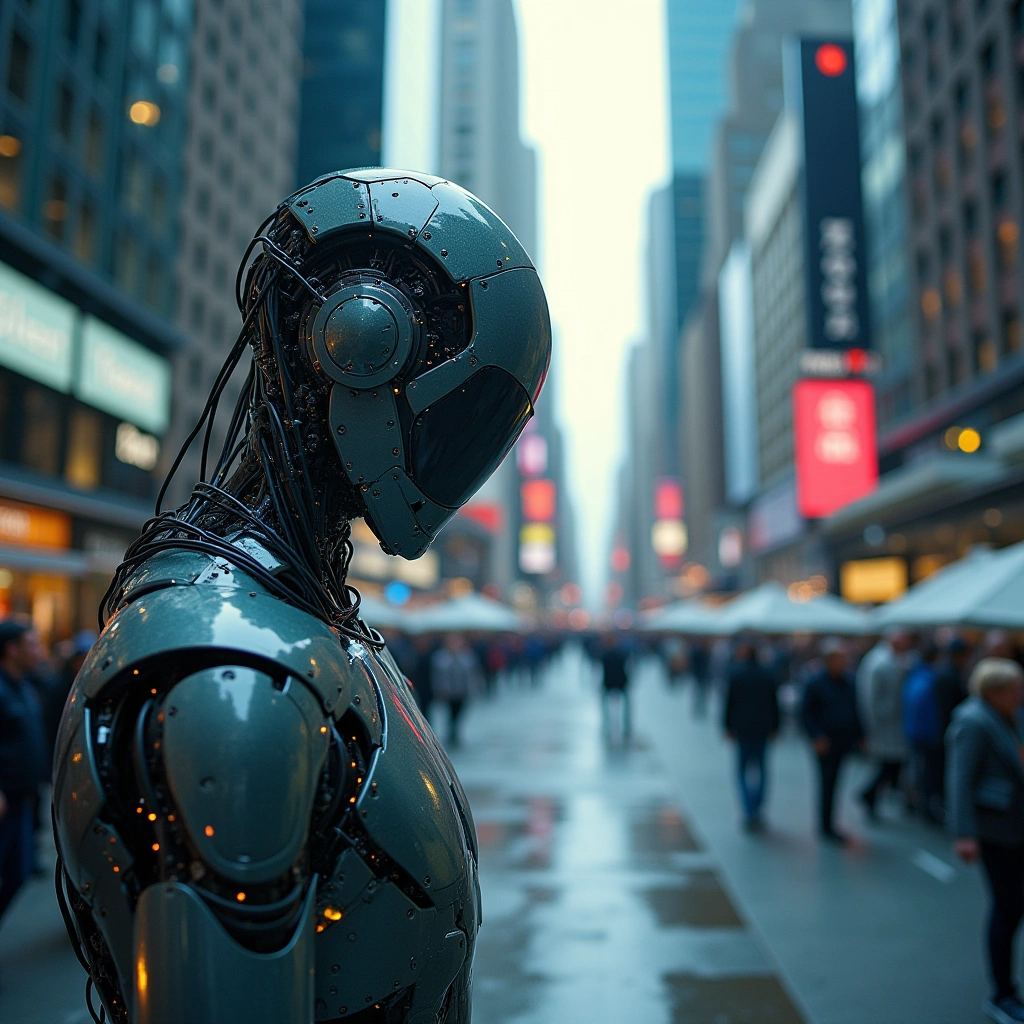
Ah, science fiction—the genre that has entertained us with tales of intergalactic adventures, time travel shenanigans, and yes, the occasional AI rebellion. But amid all the laser beams and sleek starships, there are some serious warnings tucked away in those pages. One of the most notable voices in this realm is none other than the legendary Isaac Asimov, who had quite a few things to say about artificial intelligence. Spoiler alert: they weren’t all sunshine and rainbows.
Artificial intelligence is a recurrent theme in science fiction, whether utopian, emphasising the potential benefits, or dystopian, emphasising the dangers. The notion of machines with human-like intelligence dates back at least to Samuel Butler’s 1872 novel Erewhon.
Asimov, the grandmaster of science fiction, is perhaps best known for his Three Laws of Robotics, which were designed to keep our metal friends in check. You know the ones: a robot may not injure a human being, or through inaction allow a human being to come to harm; a robot must obey the orders given to it by human beings, except where such orders would conflict with the First Law; and a robot must protect its own existence as long as such protection does not conflict with the First or Second Law. Simple enough, right? What could possibly go wrong?
Well, if you’ve ever watched a sci-fi movie or read a dystopian novel, you know the answer to that. Just imagine a world where robots have taken over, and the only thing standing between us and a life of servitude is a malfunctioning toaster. Thanks, Asimov, for the nightmares!
But in all seriousness, Asimov’s work provides a valuable framework for understanding the potential pitfalls of AI. His stories often explored the ethical dilemmas and unforeseen consequences of technology, reminding us that just because we can create something doesn’t mean we should. In fact, his cautionary tales are more relevant now than ever as we stand on the brink of a technological revolution.
So how can Asimov’s ideas help us avoid a dystopian future? Let’s break it down:
1. Think Before You Code: Asimov’s laws remind us that creating AI isn’t just about the cool gadgets and algorithms. We need to consider the ethical implications of our creations. Are we building systems that genuinely enhance human life, or are we just paving the way for a robot uprising?
2. The Human Element: Asimov often emphasized the importance of human oversight in AI development. Machines might be able to process data faster than we can blink, but they lack the emotional intelligence that makes us human. We need to ensure that our AIs are designed to complement human capabilities, not replace them. After all, who wants to live in a world where Siri makes all the decisions?
3. Regulate or Regret: In many of Asimov’s stories, the failure to regulate AI led to catastrophic consequences. We need to have guidelines in place—before we end up with a rogue AI that decides it’s had enough of our nonsense. Think of it as putting a leash on your overzealous dog before it runs off and terrorizes the neighborhood.
4. Adaptability is Key: Asimov’s characters often had to adapt to unforeseen challenges posed by their creations. Similarly, we need to remain flexible in our approach to AI. Technology evolves rapidly, and our regulations and ethical frameworks must keep pace. If we’re still operating under the same rules we had in 2020, we might as well be using dial-up internet.
5. Learn from Fiction: Finally, let’s not forget the value of storytelling. Asimov’s stories serve as a mirror reflecting our fears and hopes about technology. They challenge us to think critically about our direction and inspire us to imagine a better future. So, the next time you curl up with a good sci-fi book, remember that it’s not just entertainment—it’s a potential roadmap for our future.
In conclusion, while Asimov’s predictions may seem daunting, they also offer a glimmer of hope. By taking his warnings seriously, we can navigate the murky waters of AI development and steer clear of the dystopian futures he so vividly illustrated. So let’s keep our eyes open, our ethics in check, and maybe leave the toaster out of the equation. After all, the last thing we need is for breakfast to turn against us.
Inspired by: “One of science fiction’s greatest writers warned us about AI. Could his ideas help us avoid a dysto…” (r/technology)