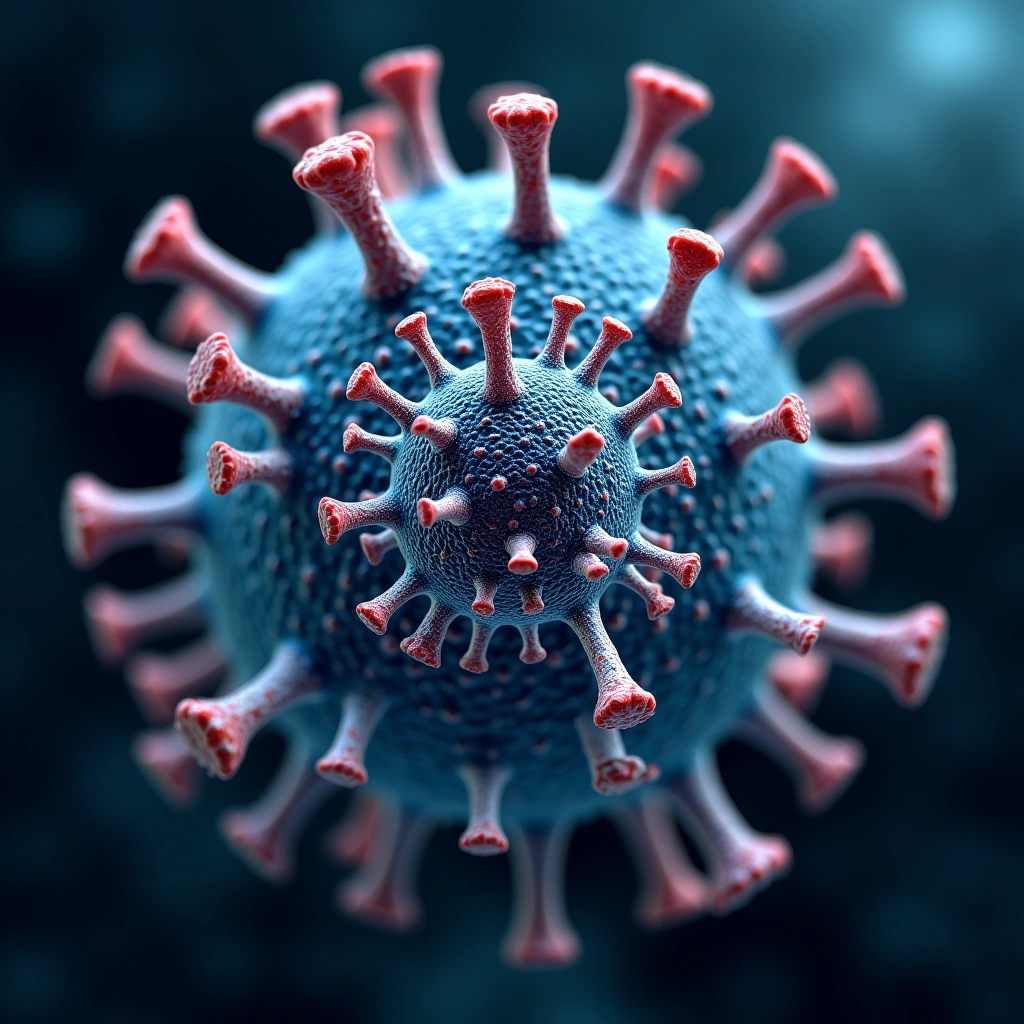
In a twist that sounds more like a plot from a sci-fi thriller than a scientific breakthrough, scientists have recently created the first viruses designed by artificial intelligence. Yes, you heard that right! We’re now living in a world where computers not only help us find cat videos but are also crafting microscopic agents that could potentially wreak havoc on our immune systems. Cue the dramatic music!
An AI trained on the genetic code of dangerous bugs could be used to design more harmful viruses, Ellis said, but controlling access to genetic data and having restrictions on making genomes that look dangerous would help.
Let’s take a moment to digest this information without spiraling into full-on panic mode. The idea of AI-generated viruses might conjure up images of a rogue AI deciding to unleash a new plague on humanity just for the fun of it. But before you start stockpiling canned goods and building a bunker in your backyard, let’s explore what this really means.
First off, the scientists involved in this research are not just playing mad scientists in a lab. They are exploring how AI can expedite the process of designing viruses for beneficial purposes, such as developing vaccines or treatments for diseases. So, while the headline might make you think we’re one step closer to being wiped out by our own creations, the reality is a bit less dramatic—at least for now.
But let’s face it: the idea of AI creating viruses is unsettling. We’ve all seen the movies where the genius scientist’s hubris leads to disaster. One minute, they’re creating a harmless virus to target cancer cells, and the next, they’ve accidentally unleashed an unstoppable pathogen that turns people into zombies. Okay, maybe not zombies, but you get the point.
The safety concerns surrounding this technology are valid. If AI can design viruses, it also raises the question of who controls this technology and how it will be used. We all know that with great power comes great responsibility—or in some cases, great irresponsibility. Just look at the internet! It’s a wild west of memes and misinformation, and now we’re adding bioengineering to the mix.
The scientific community is aware of these concerns and is taking steps to ensure that AI-designed viruses are handled with the utmost care. Ethical guidelines and safety protocols are being discussed, which is comforting. But let’s be honest, how often do we see those guidelines followed to a T?
So, what does this mean for the future? Will we see a new wave of medical breakthroughs thanks to AI? Or are we one lab accident away from a real-life horror movie? The truth probably lies somewhere in between.
For now, we can only hope that the scientists wielding this powerful technology have their hearts (and ethics) in the right place. And maybe, just maybe, they’ll stick to designing viruses that help us rather than hurt us. Because if they don’t, we might just end up wishing we had paid more attention in biology class—and stocked up on those canned goods after all.
Inspired by: “Safety fears as scientists make first viruses designed by AI” (r/technology)