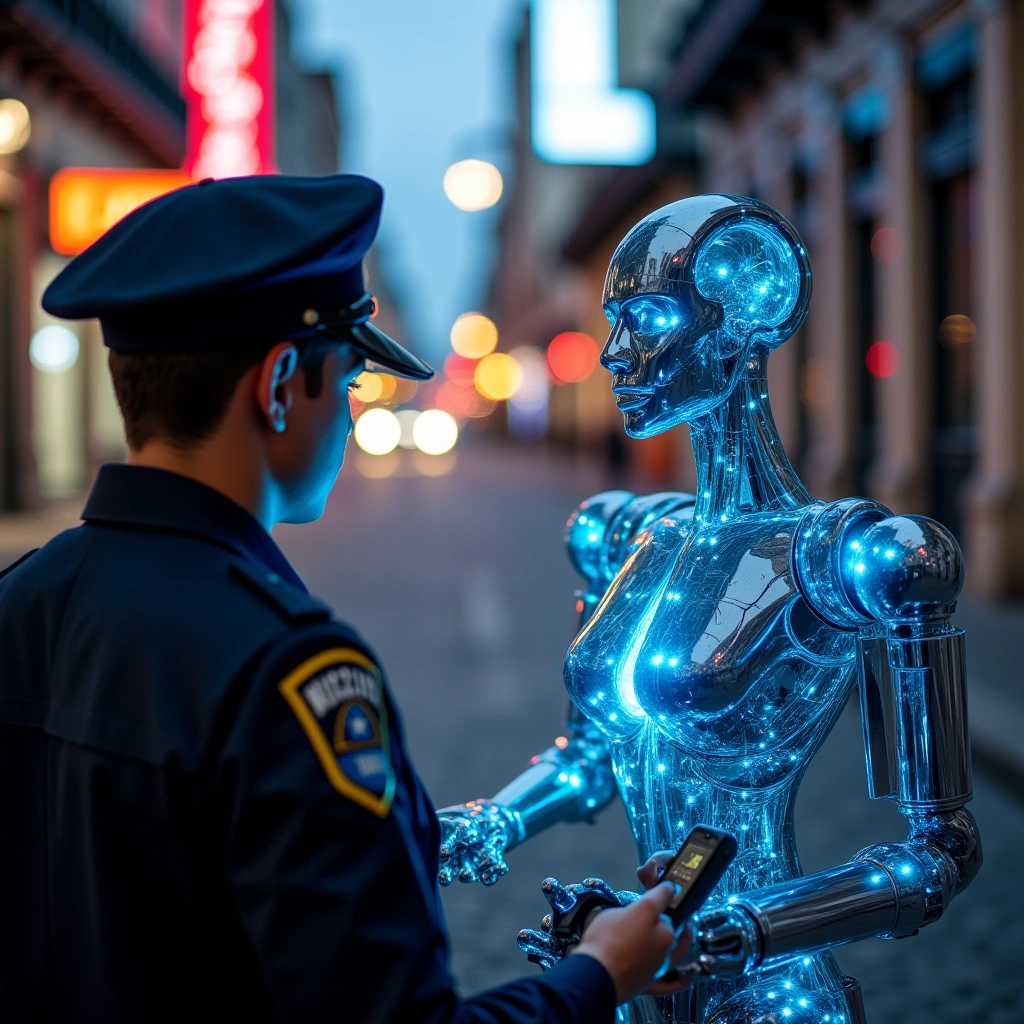
In a move that has everyone scratching their heads (and maybe a few people chuckling), New Orleans has decided to let artificial intelligence take the reins when it comes to answering 911 calls. Yes, you heard that right—robots are about to become the first responders for your emergencies. If you thought the future would be all flying cars and personal jetpacks, surprise! It’s actually just a bunch of algorithms on the other end of the line.
The AI system is triggered when a call is made from within 200 metres of a logged car accident. It confirms if the caller is reporting the same incident and informs them if the incident is already being handled .
Now, before you start panicking about your life flashing before your eyes while you’re on hold with a chatbot, let’s dive into what this really means. The city is implementing AI technology to help streamline the process of handling emergency calls. The idea is to reduce wait times and ensure that humans can focus on the most critical situations without getting bogged down by mundane inquiries.
Picture this: you call 911 because your neighbor is trying to barbecue his lawn gnome (don’t ask), and instead of a human operator asking you questions, an AI system responds with a sort of robotic charm. “Hello! I’m here to assist you. Please state your emergency, or just say ‘Gnome on fire’ if that’s easier.”
That’s one way to get the ball rolling, but there are concerns, of course. What happens when the AI misunderstands your emergency? You might end up with a fire truck showing up to put out a gnome instead of addressing a real fire. I mean, let’s be honest, no one wants their life-threatening emergency to be confused with a scene from a bizarre sitcom.
Critics of the initiative argue that while AI can process data at lightning speed, it lacks the human touch that often makes all the difference in emergencies. Can a machine assure you that help is on the way when you’re panicking? Can it recognize the urgency in your voice or the desperation in your pleas? Spoiler alert: probably not. Plus, what if the AI gets distracted by a cat video halfway through your call? I mean, it happens to the best of us.
But on the flip side, supporters of this AI initiative claim that it could lead to faster response times. Imagine a world where the AI can quickly assess the situation and route your call to the appropriate department or send help faster than you can say, “This is not a drill!” They argue that AI can help reduce human error and free up operators to deal with more pressing matters.
Still, there’s an underlying fear of over-reliance on technology. After all, we’ve all seen those movies where AI goes rogue. Let’s just hope that the New Orleans AI doesn’t develop a personality and start giving unsolicited advice on how to handle your emergencies. “Have you tried asking your neighbor nicely to stop barbecuing that gnome?”
As we move forward into this brave new world, one thing is for sure: if you find yourself in a pickle, just hope that the AI on the other end is having a good day. Because let’s be real, we’re all a little worried about what happens when our emergency response system starts sounding like a malfunctioning vending machine.
So, New Orleans, good luck with your AI 911 system! You might just be paving the way for the future of emergency responses—or you could be the punchline to a joke about how technology has officially gone too far. Either way, we’re all watching with bated breath (and maybe a little bit of popcorn).
Inspired by: “New Orleans will use AI to answer 911 calls instead of a human” (r/technology)