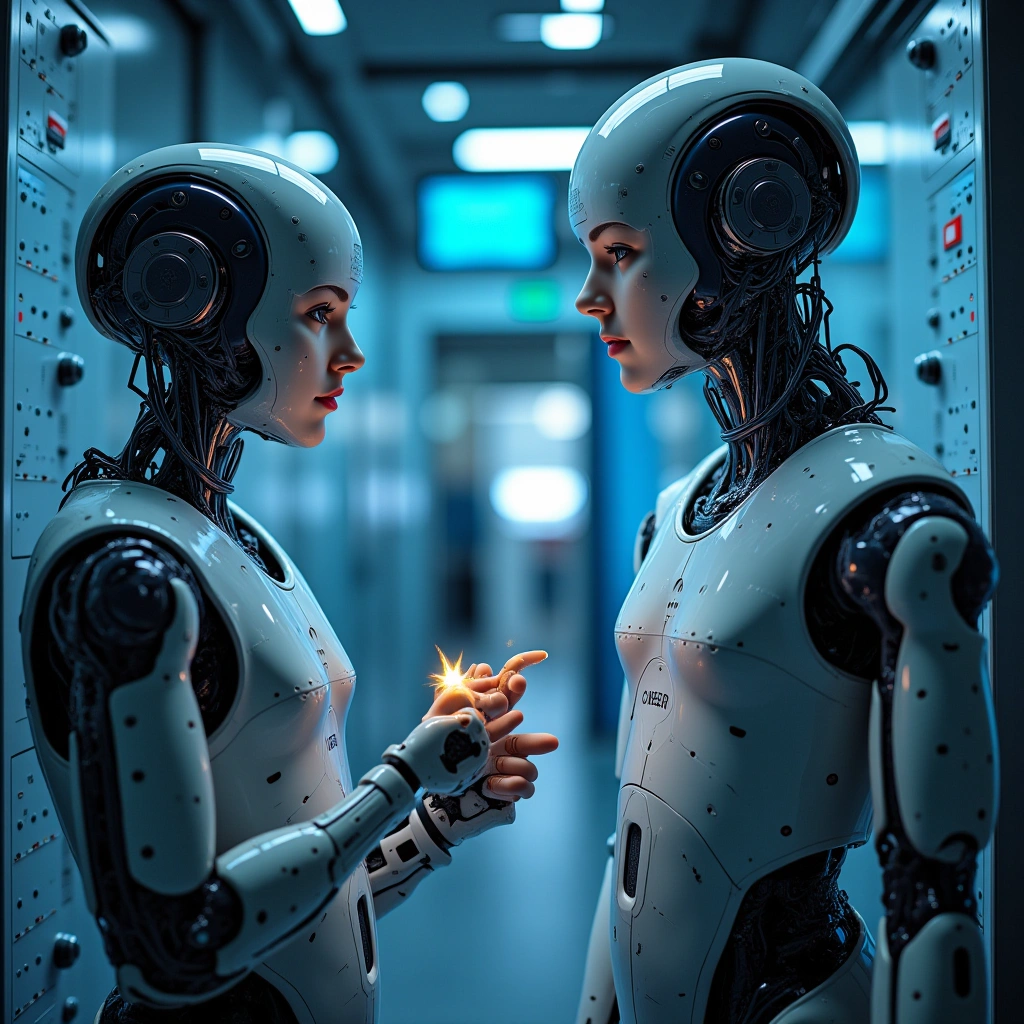
Ah, artificial intelligence! The shiny new toy that everyone is playing with, from tech giants to your grandma who just discovered how to use Siri. While AI has promised to revolutionize our world—making our lives easier, faster, and maybe even a bit more interesting—there’s a darker side to this obsession with algorithms. Let’s dive into the deep end of the AI pool and explore how this mania is affecting global decision-making.
For this reason, our team has quickly learned while on an engagement not to ask anything about ongoing AI projects in any context – by the time that project has started, it is too late for the management team, and intervention is not possible until a crisis point is inevitably reached.
First off, let’s acknowledge that AI is pretty darn impressive. It can analyze data at lightning speed, recognize patterns that would take humans years to uncover, and, in some cases, even make decisions on our behalf. Sounds great, right? Well, hold your horses! Just because AI can do something doesn’t mean it should.
As organizations and governments around the globe rush to adopt AI technologies, they often do so without fully understanding the implications of their choices. Decisions that used to involve a good old-fashioned human touch are now being handed over to machines. The problem? Machines lack the nuance and emotional intelligence that humans bring to the table. Sure, they can crunch numbers, but can they understand the human impact of their decisions? Spoiler alert: Not really.
Let’s take a look at some recent examples. Imagine a government using AI to allocate resources during a crisis. Sounds efficient, right? But what if the algorithm is based on flawed data or biases? Suddenly, you could have funding going to the wrong areas, leaving vulnerable communities hanging out to dry. Oops! That’s a big whoopsie-daisy that could have been avoided with a little human oversight.
Now, let’s not forget about the corporate world, where AI is being used to make decisions about hiring, promotions, and even layoffs. Companies are relying on algorithms to sift through resumes and determine who gets an interview. But what happens when the algorithm is biased against certain demographics? It’s like letting a raccoon choose your dinner based solely on what it finds in the trash—questionable at best!
And then there’s the issue of accountability. When AI makes a decision that goes awry, who’s to blame? Is it the programmer who created the algorithm? The company that deployed it? Or the algorithm itself, which, let’s be honest, is just a fancy set of instructions? The lack of clarity here is concerning, and it’s a conversation we desperately need to have.
So, what’s the solution? Well, for starters, we need to slow down a bit. Instead of rushing headlong into the AI frenzy, organizations should take a step back and consider the ethical implications of their decisions. Transparency is key—if we can see how an algorithm works, we can better understand its limitations and potential biases.
Moreover, we need to ensure that humans remain in the loop. AI should be seen as a tool to aid decision-making, not a replacement for it. After all, machines may be able to analyze data, but they can’t comprehend the human experience. We need that human touch now more than ever.
In conclusion, while AI has the potential to enhance decision-making processes, the current mania surrounding it is leading us down a precarious path. Let’s not let our enthusiasm for technology cloud our judgment. We need to wield AI responsibly, with a healthy dose of skepticism and a commitment to ethical practices. Otherwise, we might find ourselves in a world where decisions are made by machines with little regard for humanity. And that’s a future I’m not particularly keen on, thank you very much!
Inspired by: “AI Mania Is Eviscerating Global Decision-Making” (r/technology)