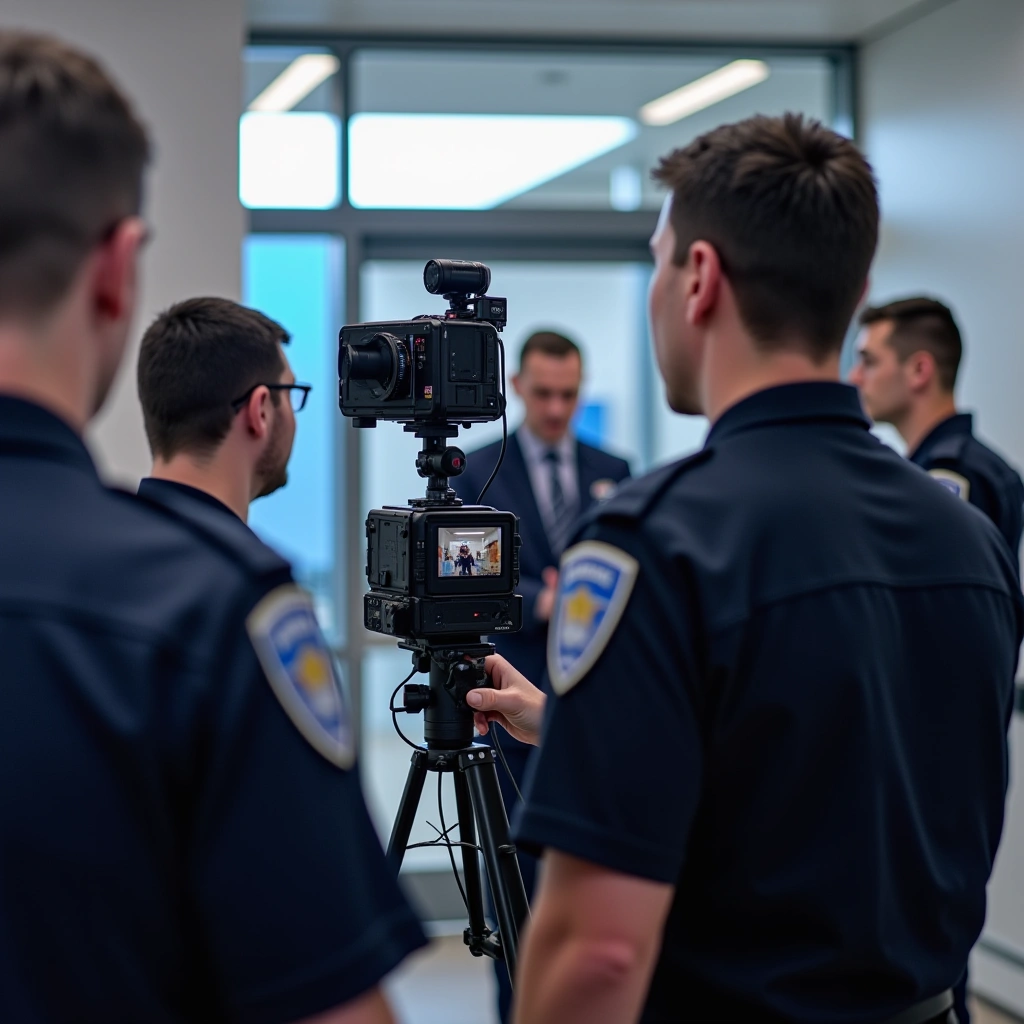
Alright, folks, let’s dive into a topic that’s as hot as a freshly brewed cup of coffee on a Monday morning: Automatic License Plate Recognition (ALPR) and how it’s becoming the best-kept secret in law enforcement. If you’re scratching your head wondering what ALPR is, don’t worry—you’re not alone. But let’s just say, it’s a fancy way for the police to track your vehicle’s movements without you even knowing it. Sounds a bit like Big Brother, doesn’t it?
The ACLU has documented that ALPR databases can reveal "where we worship, associate, seek medical care, or engage in political activity" — patterns also exploited by a covert surveillance app built to track political dissidents — and you …
Recently, a Reddit post popped up that had the internet buzzing. The title? ‘DO NOT MENTION ALPR USAGE’: How Cops Are Trying to Hide Their Use of Flock. And let me tell you, the comments section was a riot. It was like a digital soapbox where people could share their thoughts on surveillance, privacy, and the cop who probably just wants to catch you speeding on the highway.
So, what’s the deal with ALPR? In simple terms, it’s a system that uses cameras to capture images of license plates and then matches them against databases—like a bouncer at a club who checks IDs. The police can use this tech to track stolen cars, find wanted criminals, or just see where you parked your minivan last Tuesday. You know, the usual cop stuff. But here’s the kicker: they’re trying to keep this technology under wraps. Why? Because the last thing they want is for you to know they’re watching your every move like a hawk on a diet.
Flock Safety, the company behind this tech, has been in the spotlight lately. They provide ALPR systems to many police departments across the U.S. But instead of being upfront about their usage, some departments are playing a game of hide-and-seek, hoping you won’t notice the cameras watching you. It’s like that friend who swears they didn’t eat the last slice of pizza—sure, buddy, we believe you.
Some police departments have even been caught red-handed (pun intended) trying to downplay their reliance on ALPR. They don’t want the public to raise eyebrows or, heaven forbid, question their actions. Because let’s face it, if you knew the cops were monitoring your every trip to the grocery store, you might start to feel a little uneasy. It’s like realizing your nosy neighbor has been keeping tabs on your lawn maintenance.
But here’s the real kicker—while the police might think they’re being sneaky, the public is starting to catch on. People are becoming more aware of their rights and the extent to which they’re monitored. The conversation is shifting from “Oh, that’s just how it is” to “Wait a minute, is this legal?” And honestly, who can blame them?
In conclusion, the use of ALPR by police departments is a complex issue that raises legitimate concerns about privacy and surveillance. While it’s great that law enforcement has access to advanced technology to help keep us safe, the lack of transparency is a bit concerning. So next time you’re out and about, remember: those cameras might just be watching you. And if you see a cop in the distance, maybe don’t give them a reason to run your plates—unless you want to be the star of their next ALPR success story.
In the end, let’s keep the conversation going. After all, ignorance is bliss, but knowledge is power—and sometimes, it’s just plain funny to think about how many cameras are probably aimed at your car right now. Cheers to that!
Inspired by: “‘DO NOT MENTION ALPR USAGE’: How Cops Are Trying to Hide Their Use of Flock” (r/technology)