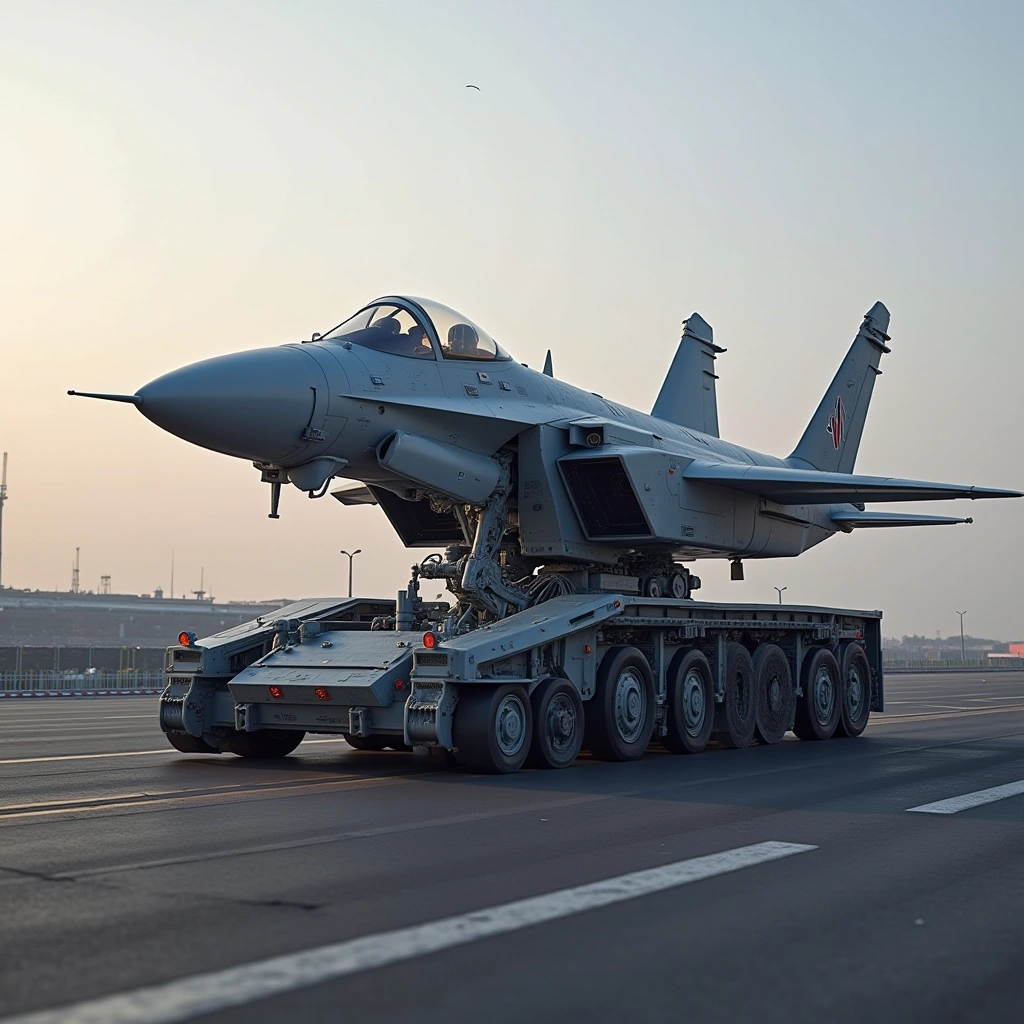
So, it seems like the future is upon us, folks. The Chinese military has just unveiled an AI system designed to plan and coordinate mass air strikes. Yes, you heard that right—machines are now in charge of plotting aerial assaults, and I can’t help but wonder if Skynet is taking notes.
The Chinese air force is using an AI-enabled system to draw up battle plans for operations involving more than 100 units, according to a state television documentary. The “intelligent strike planning system” was designed to help commanders and pilots by prioritising targets, coordinating attack waves and allocating specific tasks to units…
Let’s break this down a bit, shall we? The introduction of AI into military operations isn’t exactly new. However, the scale at which China is deploying this technology is raising a few eyebrows (and probably a few alarm bells) around the globe. This AI system is said to enhance decision-making processes, optimize resource allocation, and—most importantly—execute air strikes with a level of precision that would make even the most seasoned strategists nod in approval.
Now, I don’t know about you, but when I think of AI, I usually picture helpful robots that assist us in mundane tasks, like reminding us to water our plants or suggesting what to binge-watch next on Netflix. But planning air strikes? That feels a bit like handing a toddler a loaded squirt gun and expecting them to use it responsibly.
China is clearly not playing around here. With the geopolitical landscape becoming increasingly tense, the ability to coordinate mass air strikes with the help of AI could give them a significant edge. Imagine a scenario where dozens of drones are flying in perfect formation, executing a mission that was planned down to the last detail by an algorithm. It’s like a choreographed dance, but instead of swaying to the rhythm of a catchy pop song, they’re dropping bombs.
The implications of this technology are vast. On one hand, it could lead to more efficient military operations, potentially reducing collateral damage (which is always a good thing, right?). On the other hand, it raises ethical questions about the role of AI in warfare. Should we really be trusting algorithms to make life-and-death decisions? What happens if the AI miscalculates? Do we blame the robot?
Moreover, let’s not forget about the arms race aspect. If China is developing AI-driven military technology, you can bet that other nations are scrambling to catch up. It’s like a high-stakes game of poker, except instead of chips, the stakes are national security, and the players are countries with nuclear capabilities.
So, as we sit here sipping our coffee and scrolling through Reddit, let’s keep an eye on how this unfolds. It’s a brave new world, and while we might still be stuck in traffic wondering why Siri can’t just tell us the best route, China is out there plotting aerial maneuvers with AI. Who knows, maybe one day we’ll see AI coordinating everything from military strategy to our dinner plans. Just think of the possibilities! Or maybe, just maybe, we should take a moment to ponder the consequences of letting machines take the wheel—because history has shown that trusting the wrong algorithm can lead to some pretty explosive results.
Inspired by: “Chinese military unveils AI system to plan and coordinate mass air strikes” (r/technology)